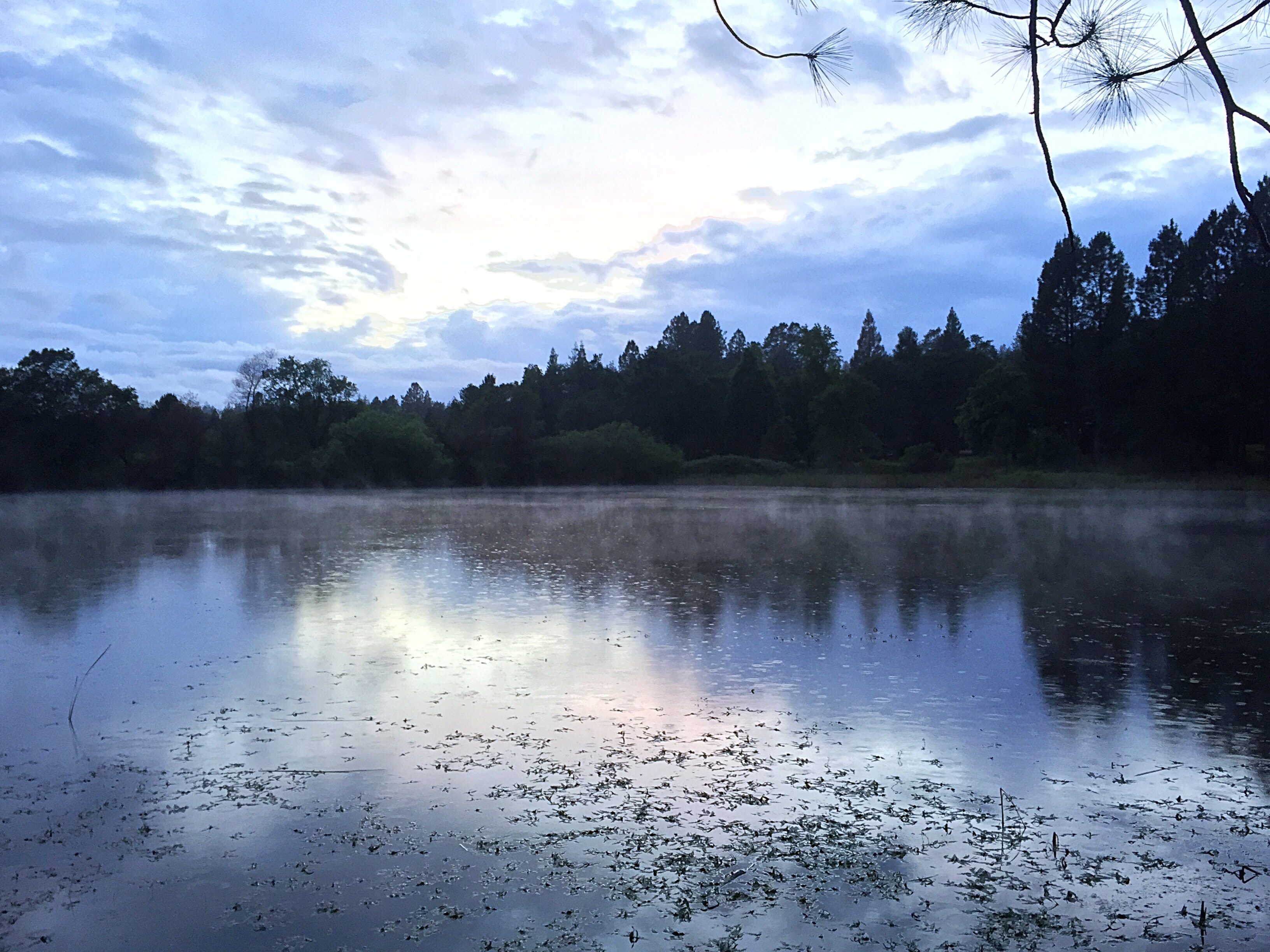
Rock Creek Wisdom

I recently purchased Hank Meal’s, The River, a local’s guide to hiking trails surrounding the Yuba River. On a rainy afternoon, my friend, Kitten, and I got cabin fever; we opened Hank’s book and chose the Rock Creek Nature Trail (located in the Tahoe National Forest) as our tonic. Once the site of a lumber mill, Hank described this one-mile loop as an easy and accessible trail that meanders beneath 11 varieties of trees and alongside Rock Creek.

“Looks like we have the place to ourselves,” I beamed when we pulled into the empty parking lot.

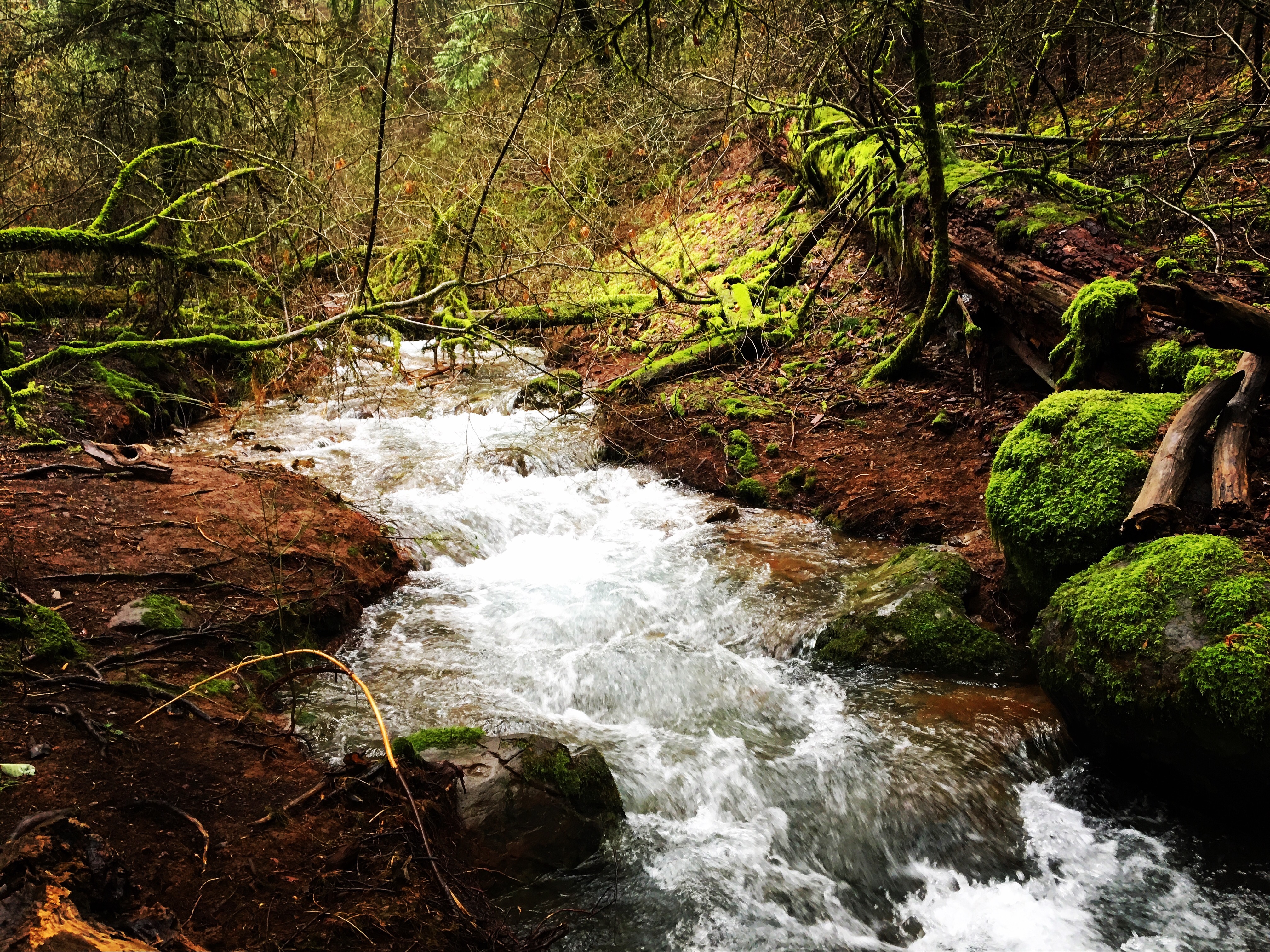
The ground was completely saturated — water pooled around our every footstep. Light rain floated to earth, accompanied by large, sporadic drops falling from tree branches, tapping an intricate percussion on land and water. The creek rushed past us, beckoning us onwards.

“Look at all this debris,” Kitten said. “These recent storms have been brutal!” 

“The other day, I saw a group prayer going around Facebook asking for the storms to be gentle on the forests, and I don’t know how I feel about that.”

“Why?”

“California needs water. I’m not eager to pray the rain stops.”

A stream carved its way down the hillside and onto the path, turning the path into a waterway and making us walk along its edge. Branches, leaves, and pine needles littered the area, and the Rock Creek Trail felt less like a nature walk and more like a rugged adventure, like we were the first explorers. At one point, we had to climb over a large, fallen tree.

“All this damage is from the drought,” Kitten said. “Tree roots retract closer to the trunk and become less dense. And the branches die. So when a big storm hits, it uproots trees and branches fall.”

“Makes sense.”

“Now I bet this will be a tinderbox in summer — this and every other forest in California.”

“Let’s hope not! If we get enough rain, the dead stuff will get mushy and become fertile. With fewer trees and branches blocking out the sun, new life will grow. Regeneration is one of the most incredible aspects of nature, in my opinion. Didn’t the guidebook say this land was harvested for timber not long ago? I wonder what that looked like!”

“I hope we get the rain, too, of course. Shame if it burns. I’d rather see the land heal.”

“Did you know illegal campfires start a lot, if not most, of California’s forest fires? The drought makes everything dry, but it’s singular humans messing up on top of that.”

“Hitting Nature from both sides: the macro and the micro.” 

We passed what Hank described as a relaxing welcome bench, knocked out of the ground and thrown on its back.

“I’m ready for all humans to live in harmony with Nature.”

“Now that’s a good prayer.”

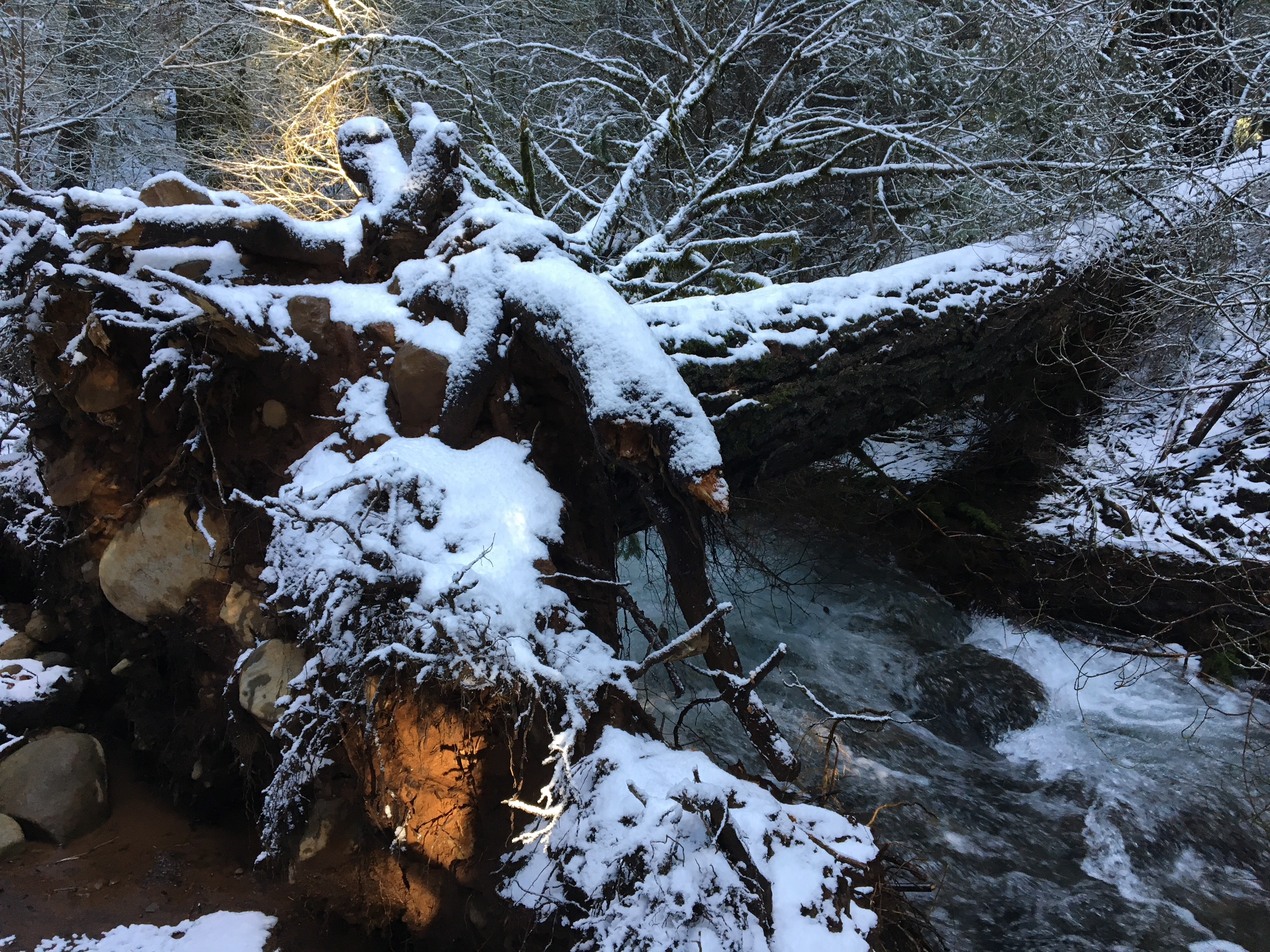
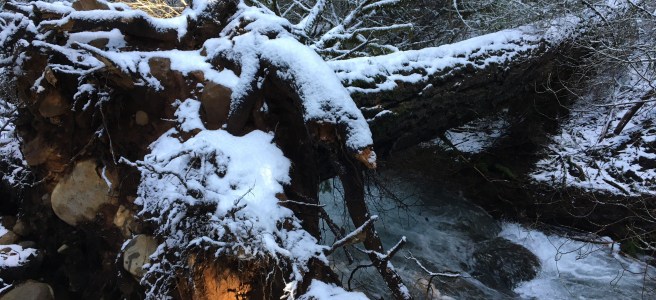
We stopped to inspect a fallen tree. It made a sturdy bridge over the creek and it’s roots were exposed in an unchanged unit, still holding rocks they had grown around.

“This makes me think of my inner work,” I said, ducking beneath a branch.

“What do you mean?” Kitten asked.

“Self-reflection can sometimes hurt. After a long period of unconsciousness or trauma, like a drought, the medicine of awareness can feel destructive — it’s painful to look on all aspects of myself — lessons can be hard, truth can hurt. Guilt, disappointment, shame, and anger surface. And when that happens, it feels like I’m being destroyed. Like my guts are being ripped out or my heart torn apart.”

Water cascaded down the creek bed over rocks and debris, navigating curves, eddies and pools.

“I think the commitment,” I continued, “is to give myself sustained compassion, like rain, so that which has been knocked over can become the fertile grounds for new life — or a bridge to enlightenment. To continually give myself compassionate attention and embrace myself instead of pushing myself away — that is the way.”

“I see. If you have the painful, seemingly-destructive insight and you don’t follow it up with compassion, it’ll catch on fire and consume you when someone starts an illegal fire,” Kitten said.

“Definitely.”

We crossed a wooden bridge before we completed the loop. Birds sang from the moss-covered trees, while a soft and steady drizzle, almost a mist, enveloped the forest. 

108 Sun Salutations

I started practicing yoga in my teens, and over the years, I have done my fair share of sun salutations. In my personal practice, I sometimes use a few to warm my body, but I don’t really enjoy them.  

So when I heard we were doing 108 sun salutations at the end of my first full day of Yoga Teacher Training, I rolled my eyes. Not only did we have to do 108, but we had to count them ourselves. ‘Great,’ I thought, ‘108 repetitions of repetitive movement.’ This was literally the opposite of the meditative, dynamic practice that I love.

Of course, I lost track within the first 15. And that irritated me to no end. What did it even matter to keep count at that point? I would never know how many I had done!

Then, somewhere around 30 (or maybe it was 35, who knows?), I couldn’t believe how many I still had to do. It seemed like this would take forever. And, oh man, it was so tedious!

By the time I got to 42, I wanted to go home. I wanted to stop the incessant ups and downs, roll up my mat, and leave. I felt far from my comfortable home where I could do whatever practice felt right.

Around 50, only half-way, I decided the whole training was a waste of time and I should just quit! Teacher training was a stupid mistake. 

Then — somewhere close to 70 — I realized I was nearly finished. It was hard and annoying, but it was almost over. A rush of gratitude and appreciation washed through me.

Hitting 80 brought a feeling of accomplishment, which grew with every round I completed thereafter.

At 90, I chose to savor the remaining salutations. I was so close, and I wanted to enjoy those last rounds.

Number 100 arrived and I knew the struggle was worth it. I had done so much.

I finally reached 108, and thought maybe I should do a couple more just in case I had undercounted. They weren’t so bad; it wasn’t so hard.

Resting in child’s pose after completion, I asked myself why I fought against the practice. My resistance made me suffer far more than the actual sun salutations. 

My life flashed before me and I saw all my daily annoyances, the times I was impatient, the times I wanted to quit or fast-forward. I thought of when I wished my life away — stuck in traffic, pining for summer, waiting at the DMV, sick in bed. I saw my struggles and I saw the end of my life. Would I still wish my time away at the end or would I wish I could have savored even the most frustrating moments? What would my life look like if I appreciated all the moments instead of resisting them?

We finished class and I got in my car, feeling a new space in my being, like my mind had opened and my heart softened. 

A text from my cousin Derek came through: “Can you drive me home tomorrow? I have to leave my car in town at the shop.”

“Of course,” I wrote back without hesitation. “If you can be in town at 6 when I finish training that would be perfect.”

“For sure,” he replied.

That night I could barely sleep even though I was exhausted. The 108 salutes energized me. I tossed and turned feeling the uncomfortable combination of wired and tired.

My alarm sounded early the next morning. I rolled out of bed and into the shower. My eyes were puffy, and I knew coffee wouldn’t be enough. At least we would start teacher training that morning with an asana class — that would wake me up.   

Nine hours of training later, it was dark out, and I was ready to go home and relax with a glass of wine. I drove to my cousin’s mechanic, and got a message from him on the way: “Running late there in 10.”

I parked out front. 10 minutes, not so bad, but 10 minutes passed quickly, and soon came 15. I was bored and annoyed. Where was he? I was helping him. He should be on time.

After 20 minutes, I was pissed! Obviously, he didn’t have any respect for my time or energy! How could he be so rude as to keep me waiting when I was doing him a favor?

I sat there fuming. I mentally prepared to let him have it as soon as he got there. I figured out all the things I would say to make him feel guilty and bad about himself for making me wait. He was selfish and I would make sure he knew it!

That is — until I remembered the 108 sun salutations from the night before. This was my lesson. Getting angry and resisting my present moment was ruining my present moment. Waiting wasn’t the problem, it was my mindset. 

I thought about the miracle that Derek and I both have these physical forms on earth, wouldn’t it be better to appreciate the time we get to spend together? A guilt-trip tirade would make us both miserable. He was late — no big deal. Nobody was hurting, except for me with my self-inflicted suffering. Being angry wouldn’t make him arrive sooner.

I decided to relax and clear my mind.

Not long thereafter, headlights shone around the corner and Derek pulled up. We rolled down our windows.

“Sorry I’m late,” he said, sheepishly.

“I appreciate your apology and I’m glad you’re here now,” I said, without a note of hostility. “You want to park in this spot?”

“Yeah, that would be great.”

We moved like Tetris pieces.

“Thanks, cuz,” he said, getting into my car.

“You’re welcome.”

“Can I take you to dinner?”

“Sure. I’d love that.”

During our meal, we laughed at stupid jokes and spoke of our futures. I even told him about my newfound love for sun salutations.


Snowflakes

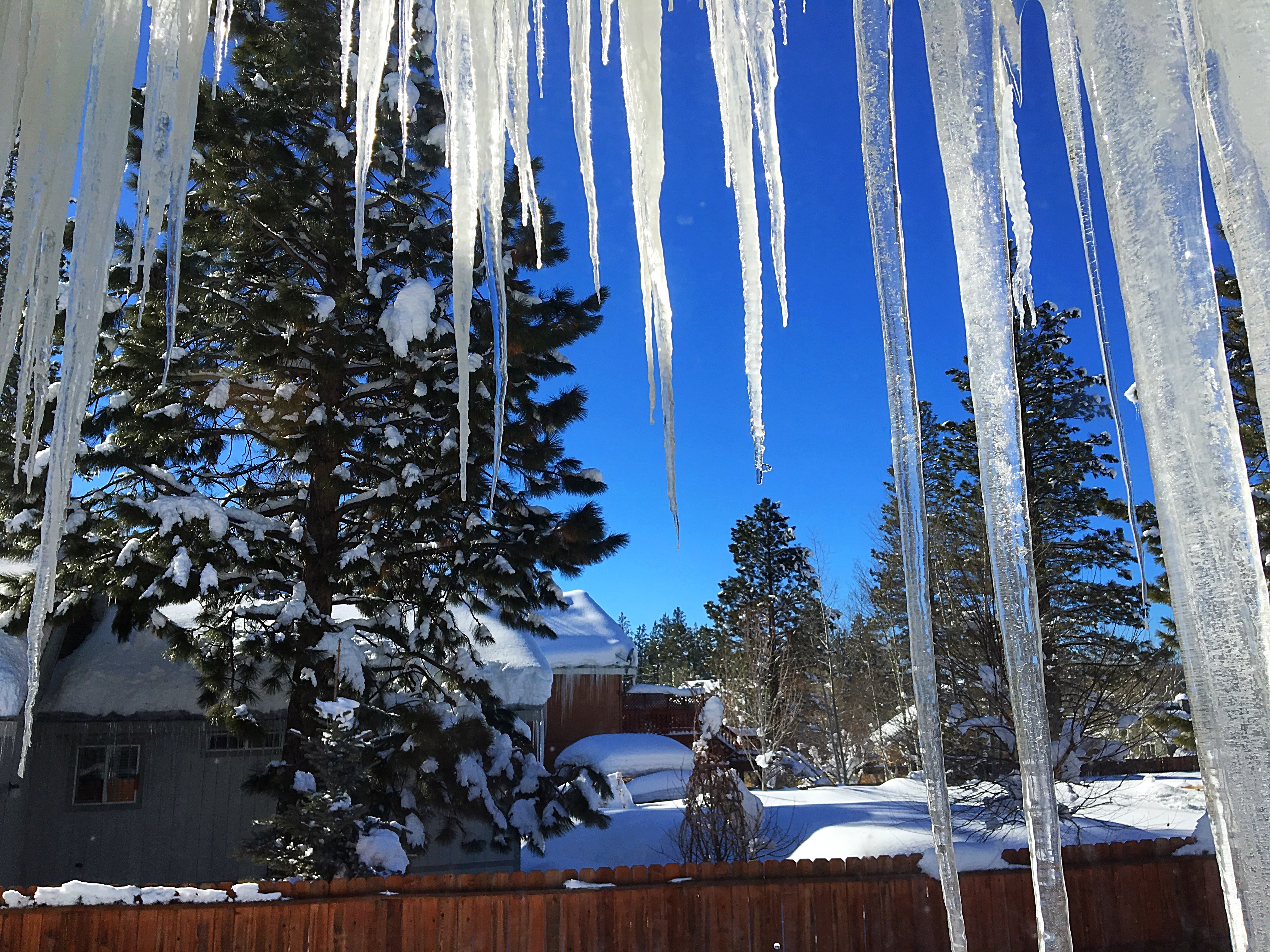
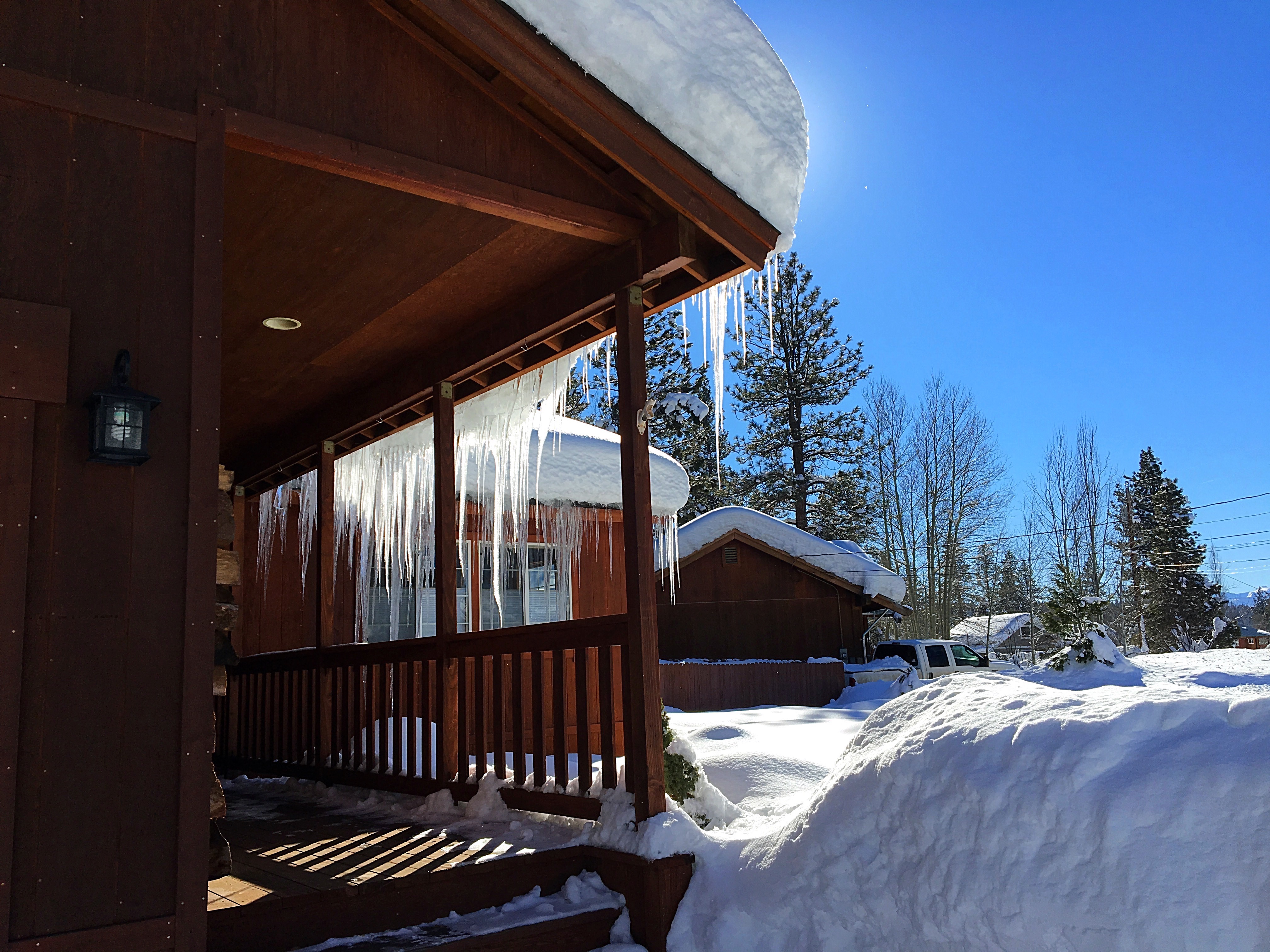
Decorated and adorned — the mundane made profound — neighborhood houses become gingerbread with thick, clean frosting on the roofs. No longer differentiable between old or new, run-down or well-kept, each dwelling takes on an air of elegance. Icicles hang from awnings like stalactites. An enchanted child appears behind my eyes. 
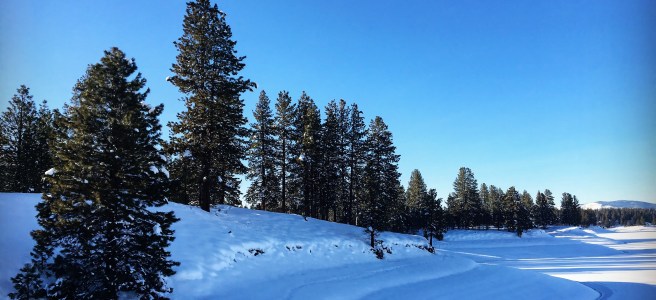
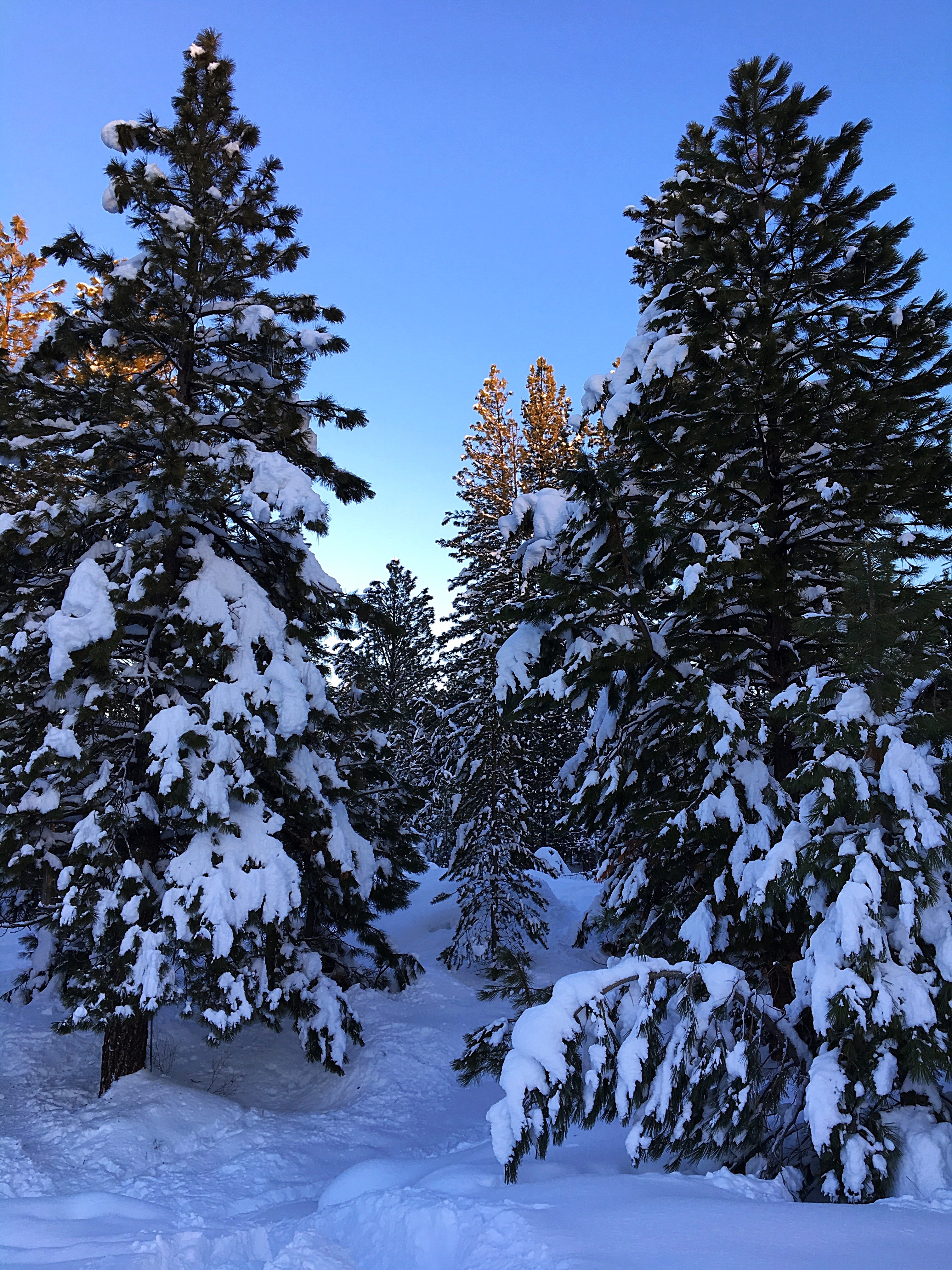
We make tall footprints on what we think is the path. Away from the homes, a reservoir sits still and frosted. Creeks shimmer, cutting through the meadow, frozen in place, lightly dusted; large rocks and boulders, capped white, create bright mounds in the dark river. Cottonwoods, having lost their leaves, look dead beside the Pines, which pop their green heads out of the snow.  

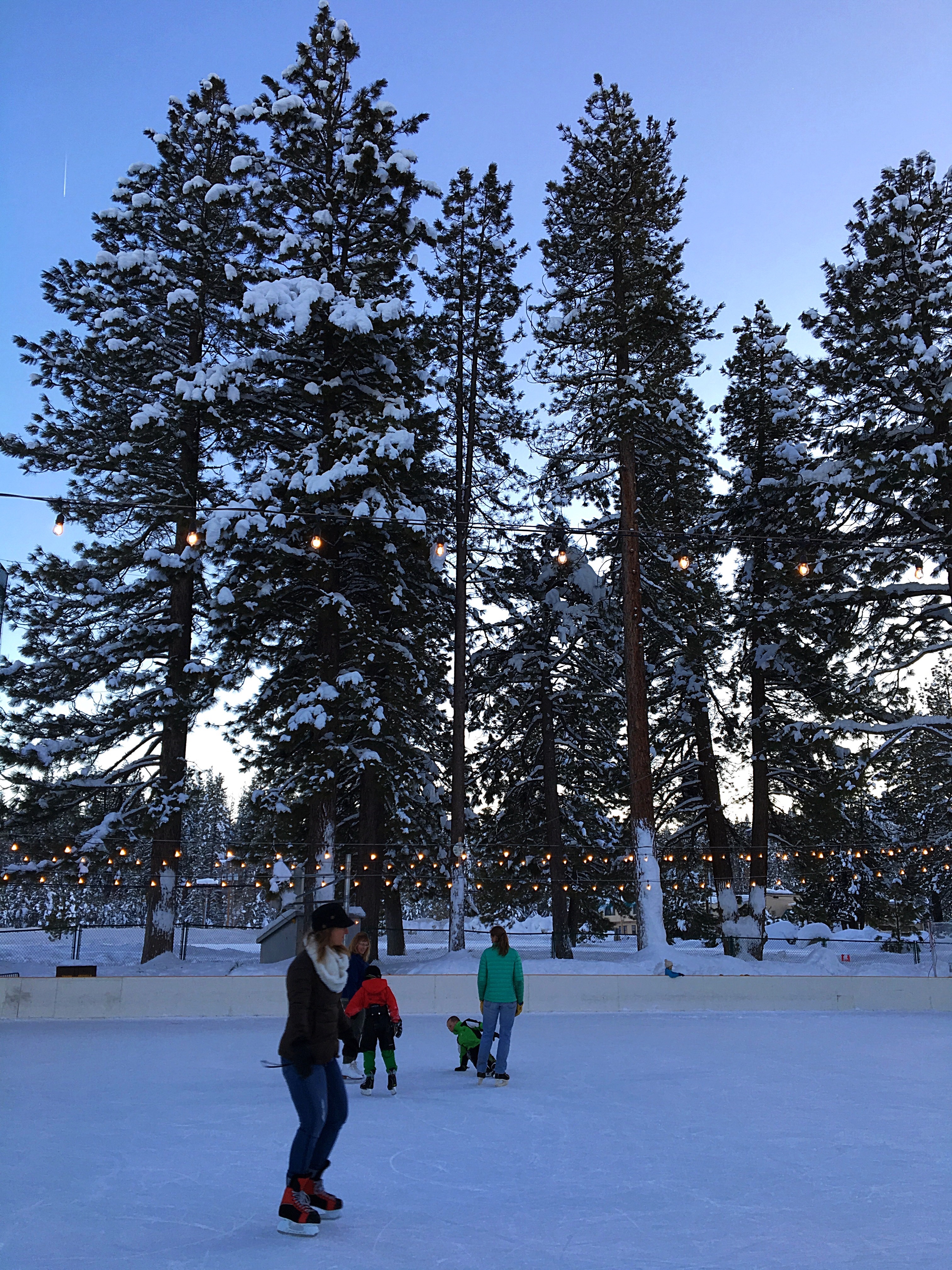
In town, we pass the ice rink. Cafe lights and ballroom waltz music from the early 1900s creates a sense of nostalgia for a time we never knew.

We drive off-road. Tree branches droop with heavy snow and drop the weight in puffs that cascade to the blanketed ground. We stop on a ridge and step out of my cousin’s Jeep. The landscape surrounds us in sacred silence created by the deep snow, sparkling as if rhinestones fell in the storm.

“Almost takes my breath,” I’m entranced by the mountains and valleys before us.

“I saw the best snowflake the other day,” Derek tells me in his ski bum drawl. “I was standing on my front porch and it was one of those big fluffy ones. I watched it float down and land on the railing. It was so perfectly geometrical and intricate and it just stayed there. I wanted to pick it up and show my roommates, but obviously that’s not gonna happen.”

“Such an incredible paradox, isn’t it? One snowflake is so fragile, yet put together –” I reach to the landscape.

“There’s been a bunch of avalanches this season. Kinda crazy. Just last year we were complaining about another snowless winter.”

“Did you know that people are using ‘snowflake’ as an insult these days?” I ask.

Derek laughs, “what? No. That’s lame.”

“I agree. I found out about it on Twitter. Apparently it’s to insult someone who is fragile and thinks they are unique — a bleeding-heart or triggered person who gets trophies for participating. That’s the context, I suppose. It started with conservatives using it against liberals, but now liberals have embraced the term against conservatives. Reminds me of the Sneetches from Dr. Seuss. Do you remember those creatures with stars on their bellies?”

“Yeah, totally. You just can’t insult someone by calling them a snowflake, though. It’s magical. Literally everything is more beautiful in the snow. And if it’s too outta hand, houses get crushed. Even if it does melt, it becomes water and enters the water cycle. It doesn’t go away. Being called a snowflake just isn’t and insult.”

“I don’t get it either. Part of nature as humans is to feel — it’s what gives us our humanity. And for people to mock that side of ourselves, it’ll turn people into unfeeling monsters.”

“Damn. That’s true.”

“Seriously. Having an open, compassionate, sensitive heart requires courage and strength in a world with so much pain and suffering.” 

“And evil.”

“It’s a strange time, Derek.”

“A strange time, indeed.”

We slip into silence, admiring the changing sky. Delicate pink, purple and indigo hues reflect in the white mountainside like a painting. Stillness and peace reside between our voices. 


Gratitude: An Ode to the Rain

A severe drought — the worst in recorded history — has plagued California for years. Wildfires ravage the state, lakes receded to shocking levels, creeks and rivers ran dry. But this year, the rainstorms started early. One real storm blessed us in August, a few graced us in September, and this months we’ve had several large storms. I remember in 2013 we were ecstatic to have our first rain on Halloween — but that’s also when the rainy season ended.
At home, I am thankful even though the rain sends ants scurrying inside through every unsealed crack. The sweet, musty smell of wet earth makes up for it with each breath I take. I love turning to see my cat sit on our bench under our awning to watch the showers. Turning off the drip irrigation brought a smile to my face as do the seedlings propagated from flowers I planted in summer. Now I have an entire garden filled with baby plants. The world around me looks clean and vibrantly fresh.
Driving southwest, I am thankful for the rain even though I hate driving in the rain. At times, the downpour is heavy and my fastest wiper setting can’t clear the windshield; yet, I am grateful to slow down. As I pass vineyards and orchards, I praise grass between the rows, amazed to see green just south of Sacramento. I listen to drops beat a percussion on my windshield — I love them all, from the daintiest mist to the wildest splotches. The grey sky brightens my vision; clouds part and sunlight shines onto the earth in heavenly beams.
Just west of the San Luis Resevoir, I am grateful to see a soft dusting of green on brown hills — miraculous grass in a region that, lately, has been brown all year.
Stopping at a CVS in Carmel, I meet a transient man playing didgeridoo. We speak about his recent travels and experiences at Rainbow Gathering where he felt deep connections with strangers and realized the best of humanity is found when a society existed with a gifting economy and emphasized creation. Kneeling at his feet, I know I had so much more to be grateful for than I could ever count. I bring him food and shake his hand. I wish I could give him more, but I know he appreciated my gift by the way he smiles and waves goodbye.
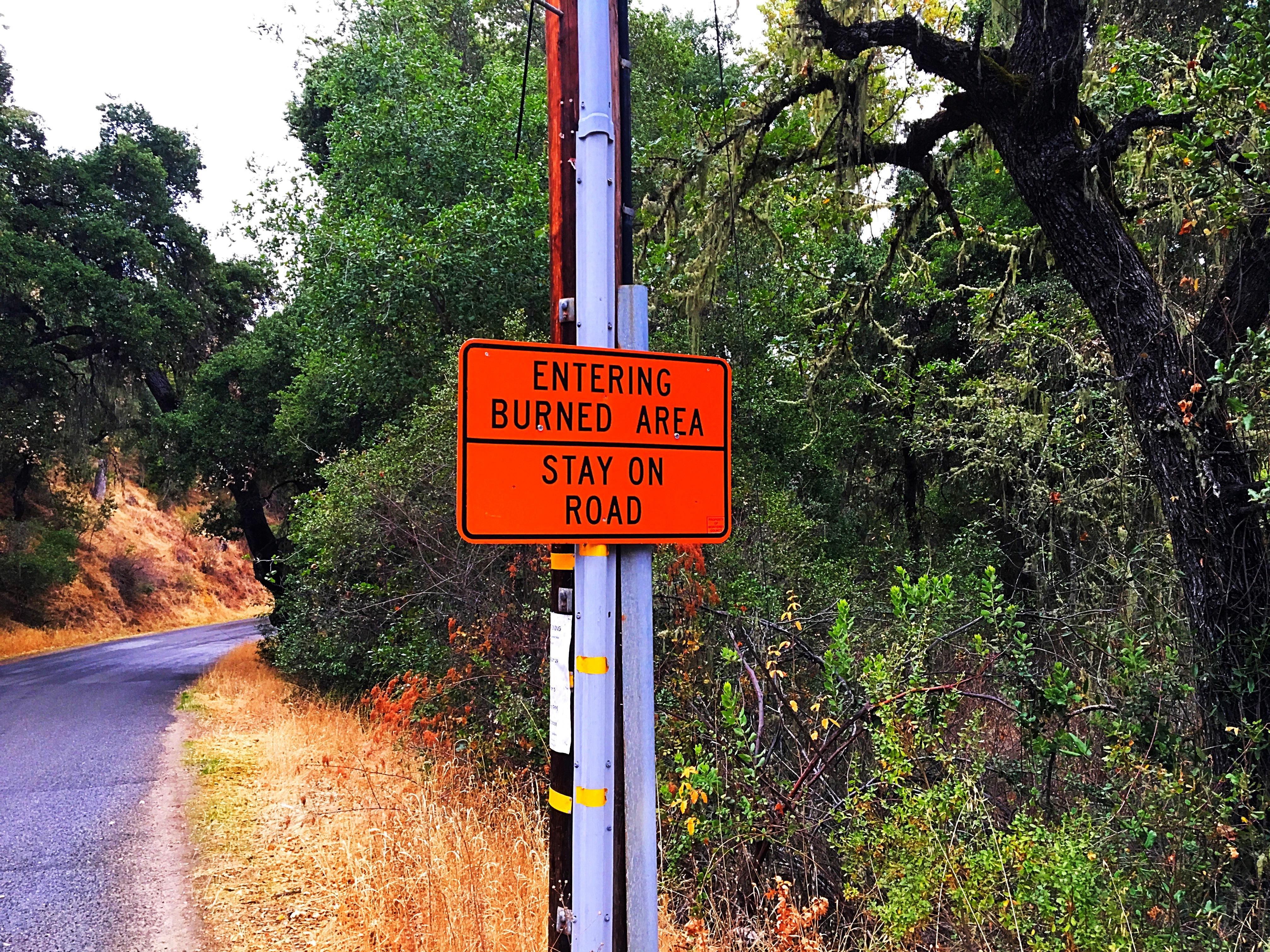
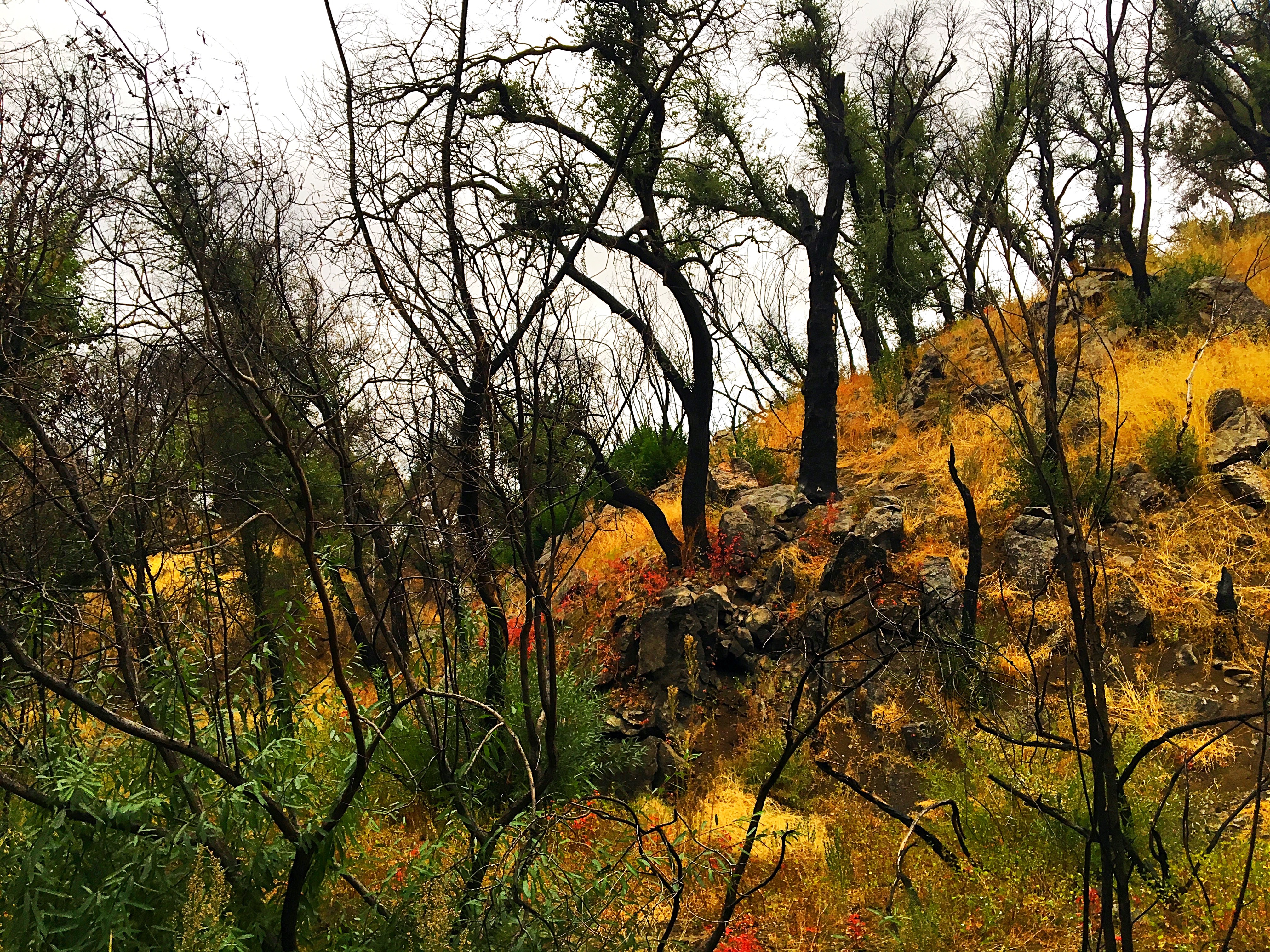
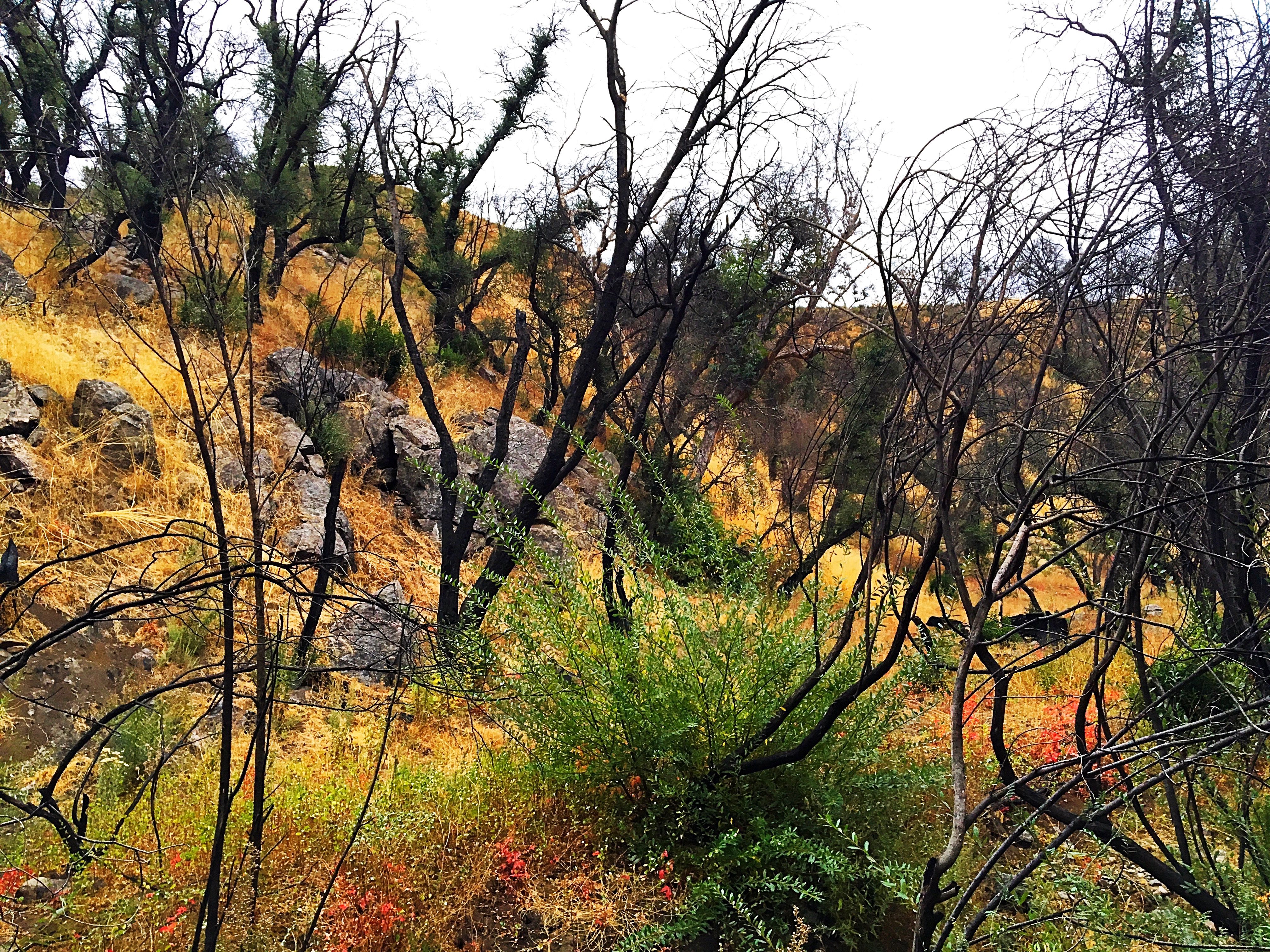
As I drive into the hills of Carmel Valley to visit Linney at her mountain retreat, my heart grows at the site of last year’s Tassajara fire. Only a few months ago it looked post-apocalyptic, but now I see new life. This year, the Sobranas fire, which came within a mile of Linney’s retreat, burned for three months and decimated over 100,000 acres of the Los Padres National Forest. I am grateful for the rain, knowing it will act as a salve on the parched earth to bring healing and restore life to the land.

My thoughts turn to prayers of safety, which I send to those at Standing Rock protecting our healer, our medicine, our mother. As they honor our sacred earth, I pray our communities will gather in unity to defeat corporate greed that aims to destroy our precious home; I pray that understanding rain into the hearts and minds of the violent oppressors; I pray the water within all life glows with truth and righteousness to respect and defend that which gives us life. 


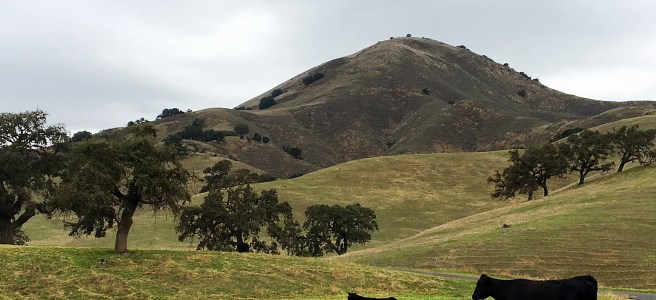
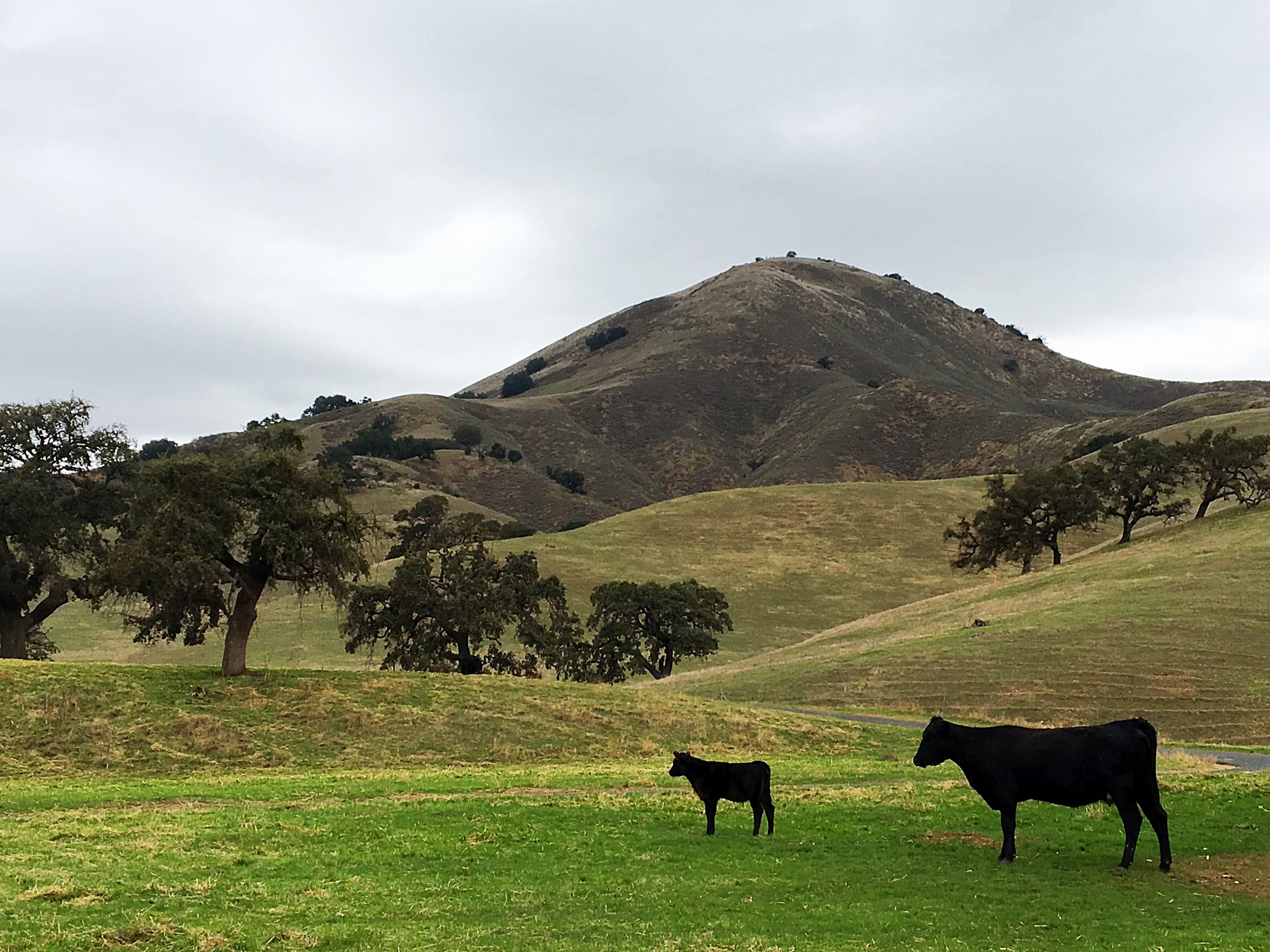
Cows and the green-dusted hills
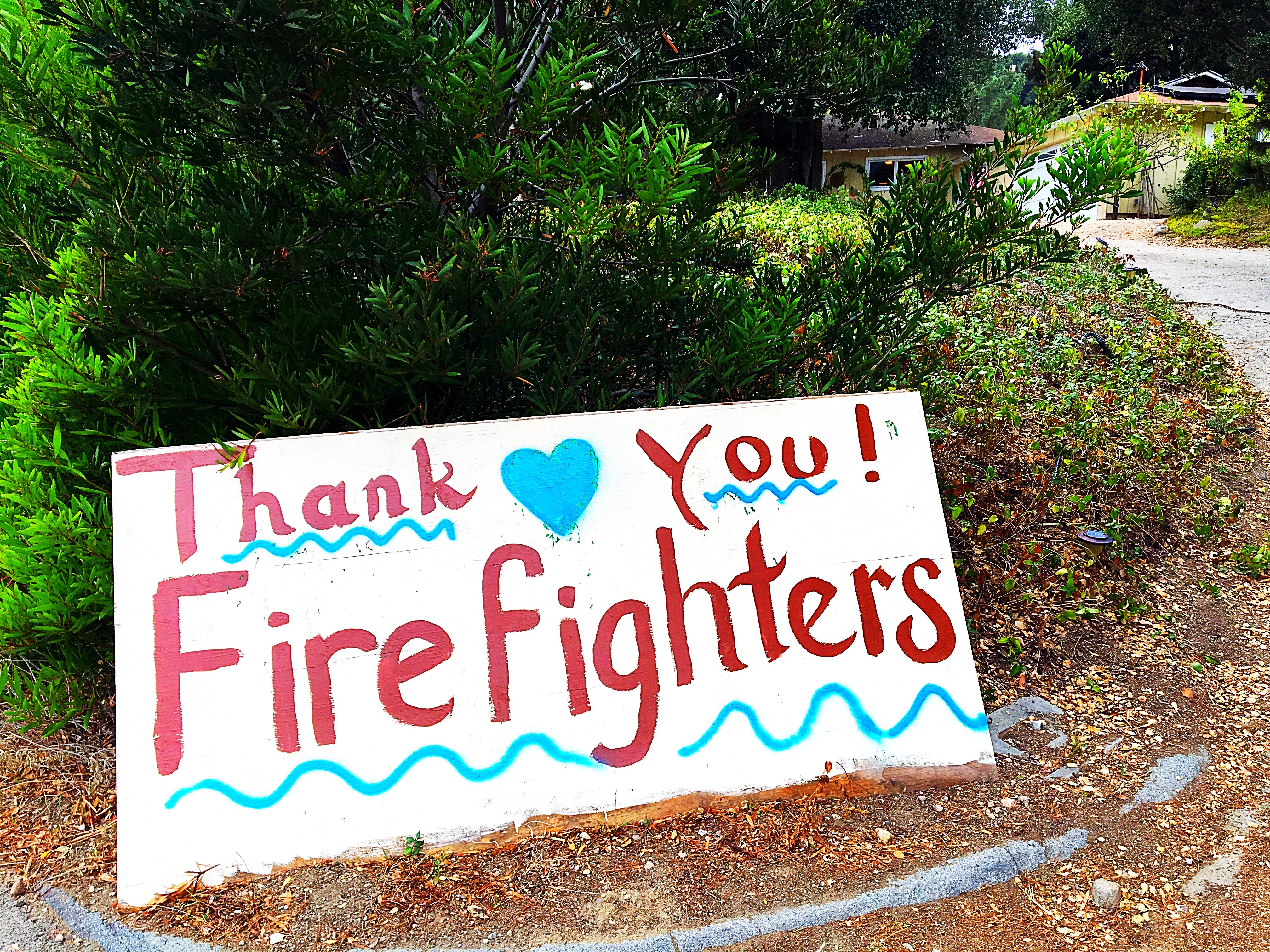
A sign in Carmel Valley Village

New life in the burned area

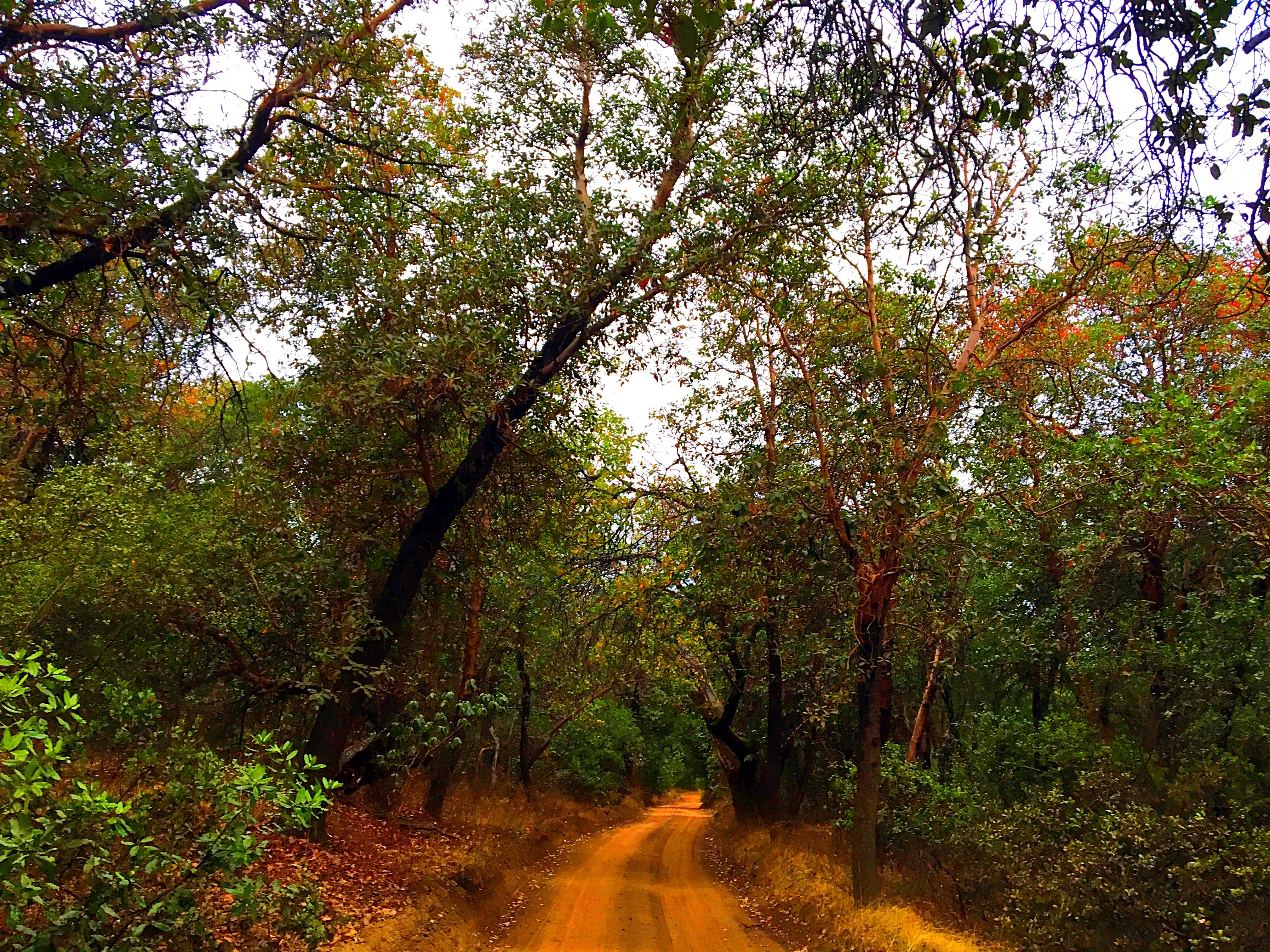
The dirt road to Linney’s retreat looking vibrantly fresh

Lake of the Woods

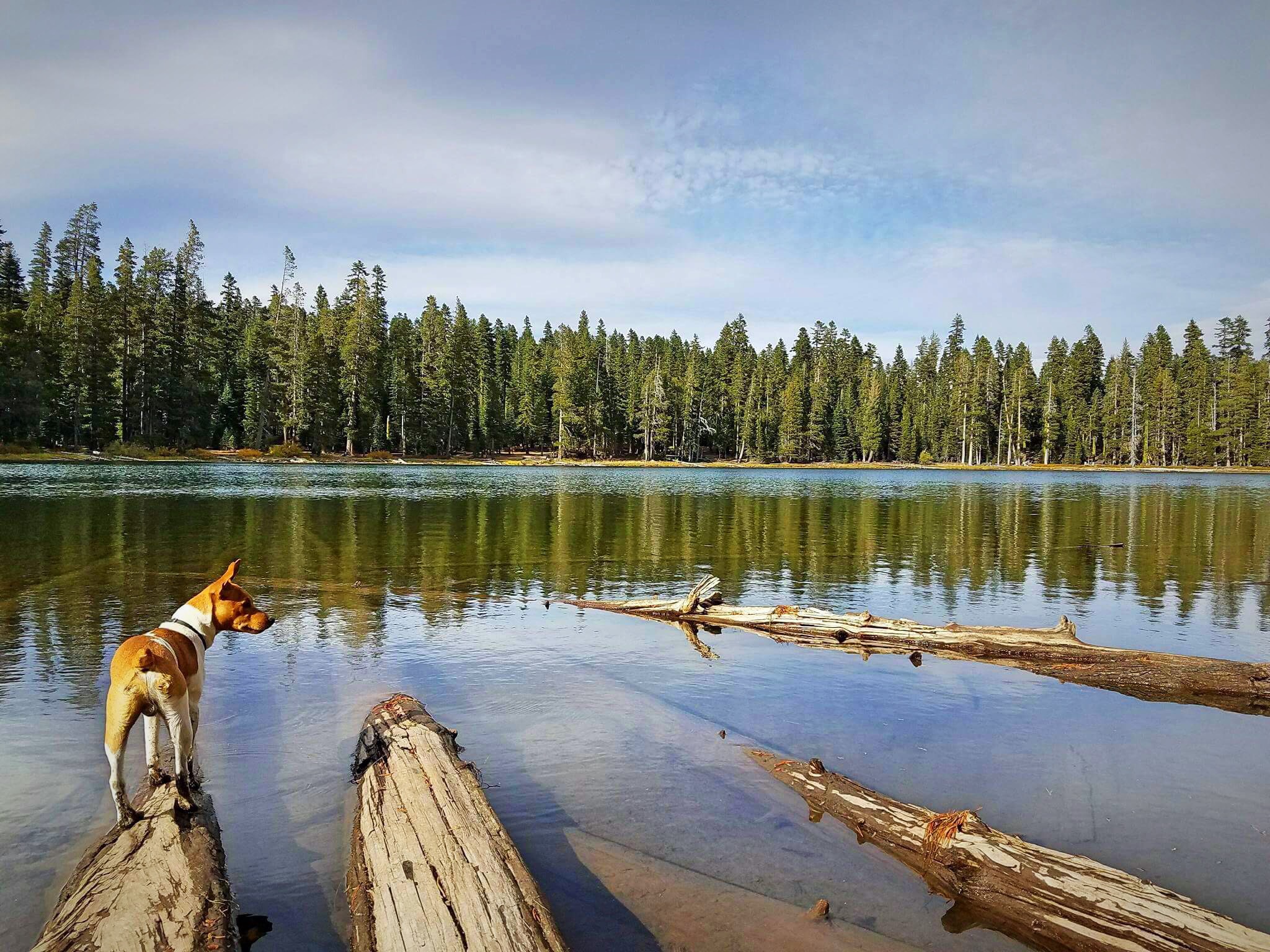
As if drawn by a magnet, Linney and JC returned to Tahoe National Forest last week. Lucky enough to have some free time, I joined them one afternoon at the Jackson Meadows parking lot, roughly 20 minutes outside of Truckee. Linney and JC had brought all their dogs — four total, three of which belong to Linney. The dogs greeted me first with huge smiles and wagging tails. 

JC stared at my car while we said hello. “Re-park your car and jump into Linney’s. Yours won’t make it to the lake; the road requires four wheel drive and clearance.”

“Re-park? But why?” I looked around at the vacant lot. “Do you think there’s suddenly going to be a rush of people?”

“You’re not even in a spot,” JC said sarcastically.

“How can you tell? There aren’t any lines.”

“You’re in the middle of the whole parking lot. Just — move to the side or something.” 

I acquiesced and parked on the periphery in sight of the freeway; at least it gave me the idea that I was moving it for safety’s sake.

With all the gear and dogs, there would be no way to take just one car. Linney and I got into hers and JC led the way.  

“Another adventure curated by our chaperone,” Linney beamed. 

I have no way of knowing how long it took us to drive the rocky, uneven road. Linney and I were too busy catching up with our latest news and admiring Lacey Meadows to notice the time. Stretching the entire length of the valley below us, the meadow was only interrupted by a winding creek. The dirt road veered to the right and climbed the mounting, moving into a thick forest. 

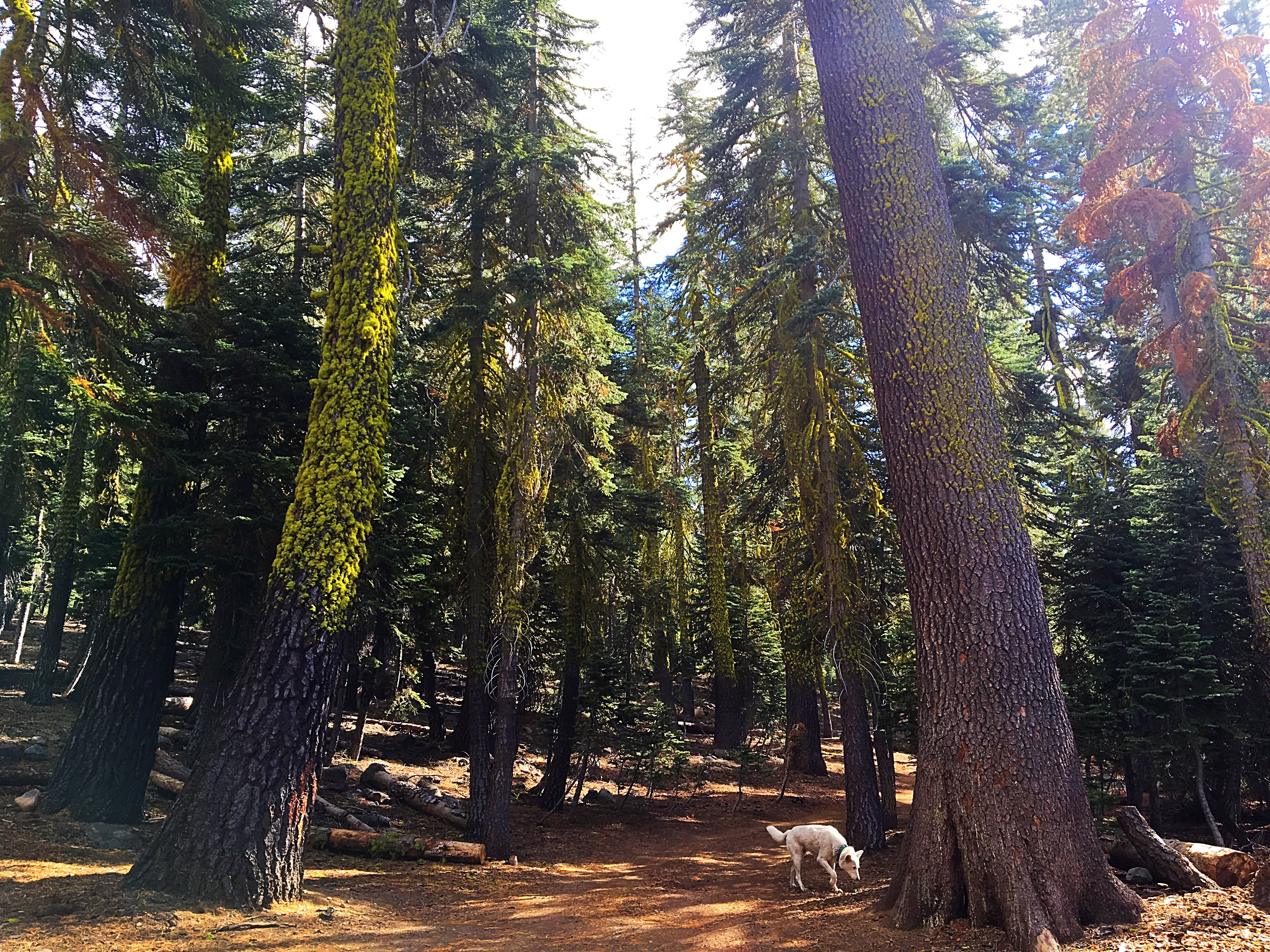
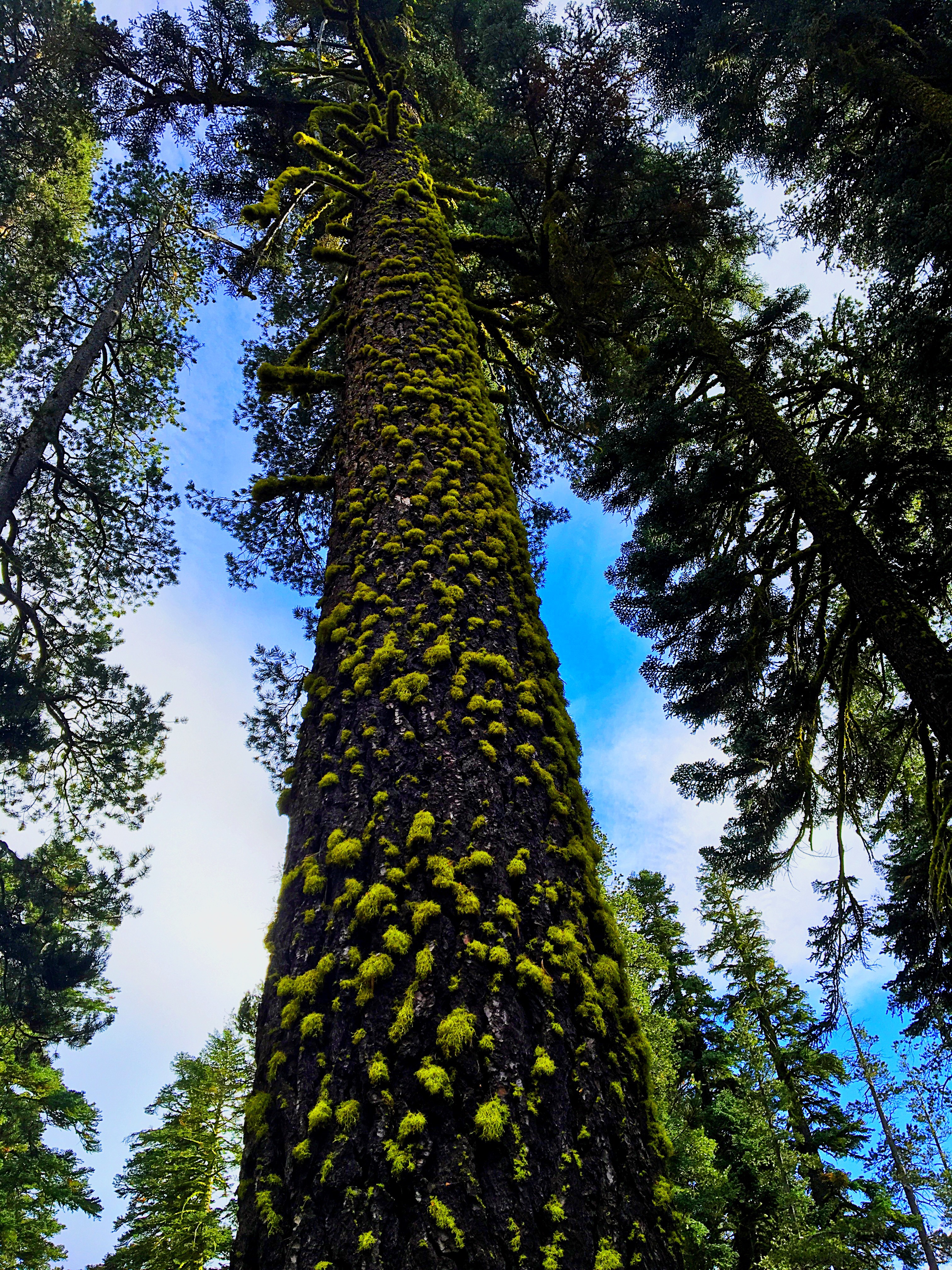
At last, we reached the campgrounds. We turned to the right and followed as the narrow road navigated between tall pines cloaked with lime-green moss. When we got to the end of the campgrounds, JC parked his car. We stepped out onto the ground, speckled with sunlight and made soft with pine needles. The dogs took off into the forest in wild bursts.

“This is beautiful,” Linney said as we walked towards the lake. “I feel like I’m in that book, The Hatchet.”

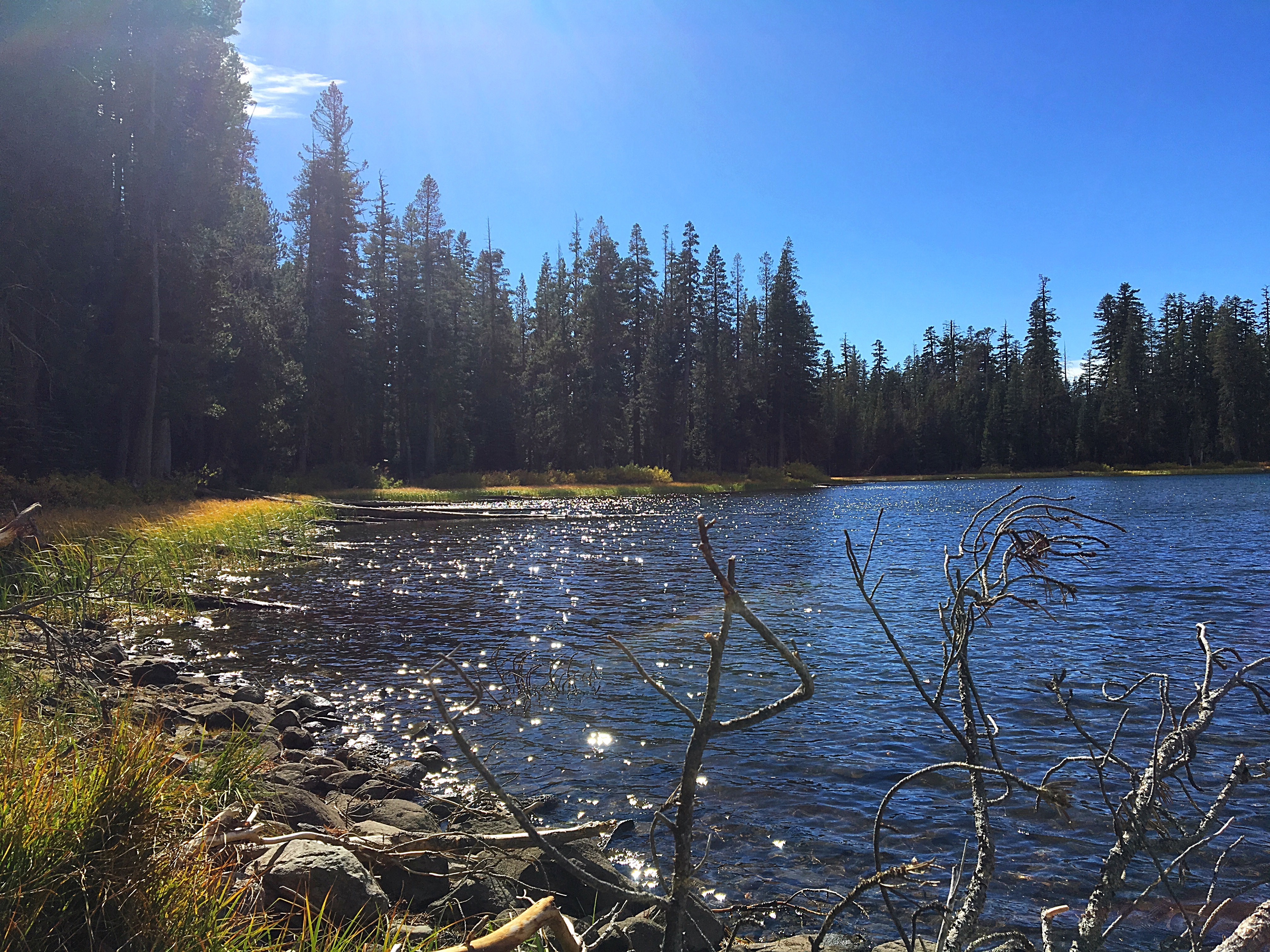
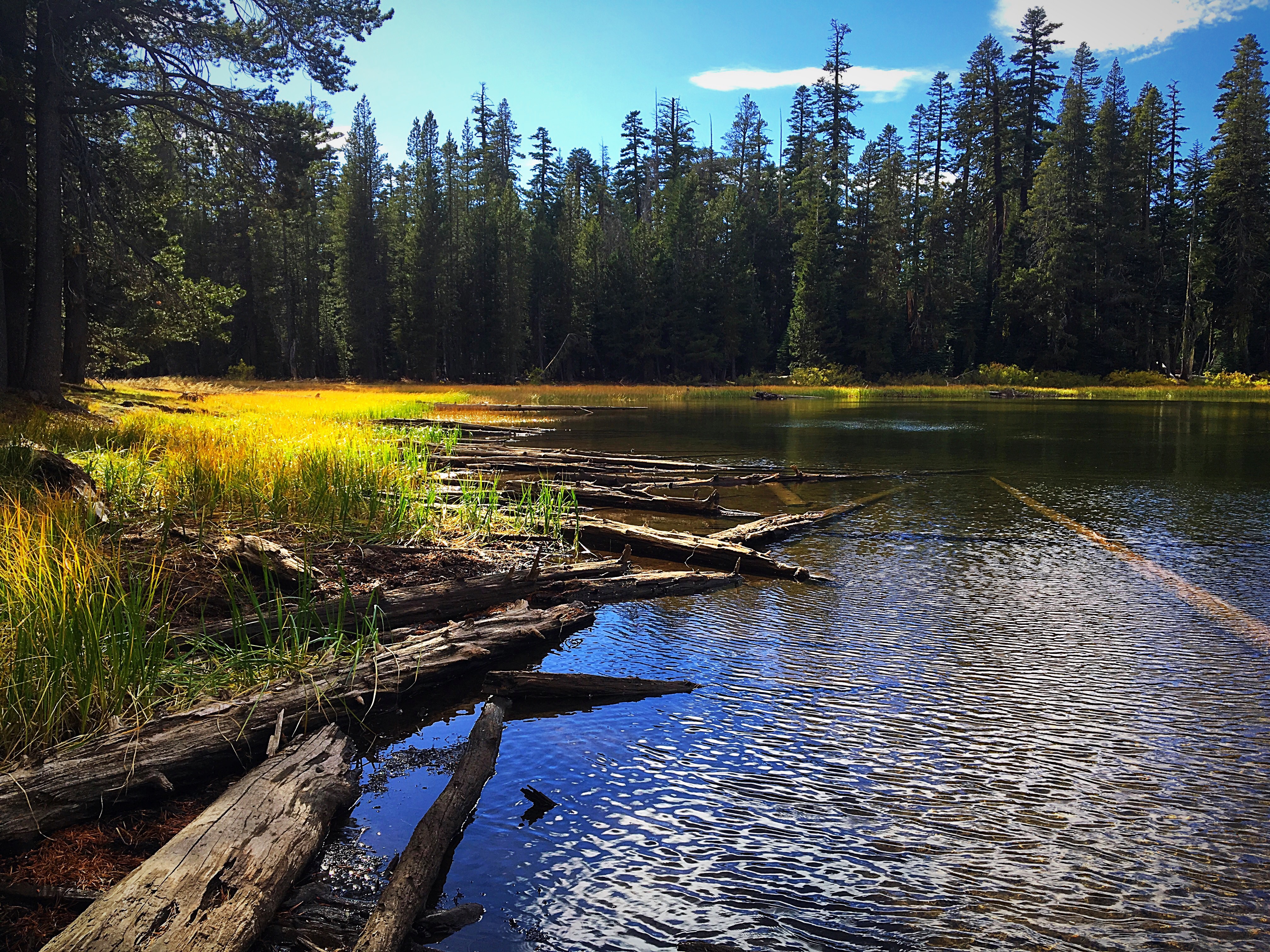
I listened to the small, frequent waves created by the wind. The gentle lapping at the shore soothed me. With the sunbeams glistening on the waves, they created bright sparkles of light. I felt effervescent, yet calm.

“Let’s go to the other side and get out of the wind,” JC said. “Last time I was here this was the side without wind. If we’re going to chill here for a bit we don’t want to be blown all over the place. It’s not relaxing.”

Once the dogs were collected, we got into the cars and turned around. Making our way back to the entrance, we continued along the road until we got to the restrooms. JC stopped his car and jumped out. He walked over to a large, brown box.

“What is he doing?” Linney asked.

“I could not tell you.”

“Remember I said I only had one shoe?” JC called out to us as he lifted a shoe from the box and laughed.

“Did he just take that shoe?” I asked Linney.

“I wonder if that’s his size. He said he was missing a shoe,” she said.

“This is very confusing.”

We ruminated over the shoe incident, searching for meaning, until we parked.

When we reconvened, JC explained: “I saw the shoe and laughed, thinking, ‘look some idiot left their shoe.’ And then I realized it’s mine!”

“That’s your shoe? Your actual shoe?” I asked.

“Yeah, I was here a few days ago — I wasn’t sure where I’d lost it. It’s the best hiking shoe. Light and breathable, but totally waterproof. It’s a $140 pair of shoes, so really, that’s a $70 find!”

“Well, no, that’s a $140 find because what are you gonna do with one shoe?” I asked.

“Exactly.”

Linney walked on a log into the lake.

“This isn’t creek-fed,” JC told me. “It’s a natural occurring glacial lake. Theres a more fun, scientific term: moraine, moraine dammed, something. This is an incredibly pristine lake.”  

“It wins the Most Pristine Award,” Linney called with an air of elegance.

“It got a 96 on the Pristine Scale,” JC riffed. “Linney be careful. That mud is gnarly. If you step into it you’ll go up to your knees.”

Linney came back to the shore and we began to walk around the lake.

“Is that your fishing pole?” JC pointed to the ground. “Dude, somebody left a really nice fishing pole.”

“Mine now,” Linney said.

“Linney it’s your new fishing pole, I found it for you,” JC insisted sarcastically.

“Shouldn’t we leave it on the box like your shoe? What if they come back?” I asked. 

“Nobody would come back for that,” JC said.

“Do you have a fishing pole, Linney?” I asked.

“I used to,” Linney said. “And then JC borrowed it forever.”

“No, no, I didn’t borrow it forever.” 

I inspected the pole closely, “oh look, it even comes with bait!” 

“Brand new,” JC said. “You can tell from the zip tie on there. Brand new zip tie.”

“There’s a question you always gotta ask, you know, when you find something,” I said. “Did you manifest this or are you stealing? I think a pole in the woods you’re manifesting it.”

“We don’t have to feel like we have to give back just because the shoe was there,” JC said. “The shoe — the shoe is its own independent thing.”

“With bait included,” Linney said. “Although, I feel like I should pass. I’ll leave it for someone further on the -sient side of glamsient.”

“Oh my God. The dogs are so stoked right now. I knew they’d love it here,” JC smiled.

The older dogs bounded through tall grasses in the meadow and the younger dogs plodded through the mud in the lake picking up their legs one at a time, stained with three or four inches of mud.  

“I was telling JC I feel like I should be on some horseback ride through the countryside with them, fox hunting or something. They look like such fancy, weird little dogs,” Linney smiled at me.

“They need little top hats. Or you need a top hat if you’re going fox hunting,” I said.

“Oh this is super epic,” JC pointed to the sky. “Abalone-vagina clouds. When they get the ripple and the waves and the rainbow in them like that. I call them abalone-vagina.”

I admired the rainbow in the cloud. “That’s so cool! You could just call them abalone clouds.”

“Yeah,” Linney agreed. “You could totally just call them abalone clouds.”

“No because the ripple isn’t the same as the abalone. It’s the curviness, too. It’s the waviness –”

“Abalone have ripples,” I said.

“Accept the beauty of the yoni as a cloud, OK? Jesus Christ.”

“Sorry, I’m just a little sensitive with all this Trump –”

“Pussy grabbing,” Linney finished.

“Yeah, that has absolutely nothing to do with how I appreciate clouds and abalones and yonis all at once.”

We sat at a picnic table.

“Hey, look at this little bonsai tree,” JC motioned to a small pine.
Linney looked around, “there are so many little bonsai trees. I love them.” She stood up and walked to her car to get snacks.
“I have little baby trees growing in my garden and I’m not going to rip them out. I want little bonsai like these,” I said. 

“No, take them out,” JC said. “They’ll take over your garden.”

“But they’re so cute.”

“You can transplant them into a pot. And make them a bonsai.”

“Brilliant.”

“Just put them in a pot and then you gotta learn how to shape them. I mean, if you want to cheat you could dig one of these up — it’s horti-torture, you’re ruining it’s life. Taking a beautiful tree, but –”

“No, no, no. These stay here. In their home. I have ones I can use. I’m not going to ruin some wild tree’s life. Like, ‘Come back to my garden and be my Frankenstein.'” I said in an evil voice.

“‘Take you from your family and hold you hostage in a little, teeny, shitty clay pot,'” JC joked.

“This is a sad conversation to have on Indigenous People’s Day.”

“At least we’re celebrating Indigenous People’s Day at the beautiful, untouched, pristine lake,” JC said. “I would not, however, call this place Lake of the Woods. It’s a horrible name. I would call it the moist cove or something to do with –”

“Moist cove?” I asked. “No one likes that word.”

“I know you hate that word,” JC laughed. “Moist bay?”

“No, no moist is the word we want to get rid of.”

“Land of Special Water.”

“Land of Sacred Water — or Ancient Water.”

“Yeah, because there’s water here and it doesn’t come from a stream. There’s magically water here. Do you see how the grasses here are super green and perfect?”

“I honestly can’t believe this is a free campground. And it’s completely empty. We’re literally the only ones here.”

Linney laughed at her dogs as she walked back to us, “they’re amped. They’re having so much fun.”

“They should be,” I said. “Look at this place!” 

“The wind through pine trees sounds like the waves of the ocean,” Linney said.

Taking a moment to listen, I closed my eyes and realized the truth of her observation. 

After a few beers and some chips and salsa, we drove out of the campground as the sun was setting and made our way to Graegle where JC had rented a cabin. 

In the morning, Linney and I left early; we wanted to stop in Truckee for coffee and breakfast. 

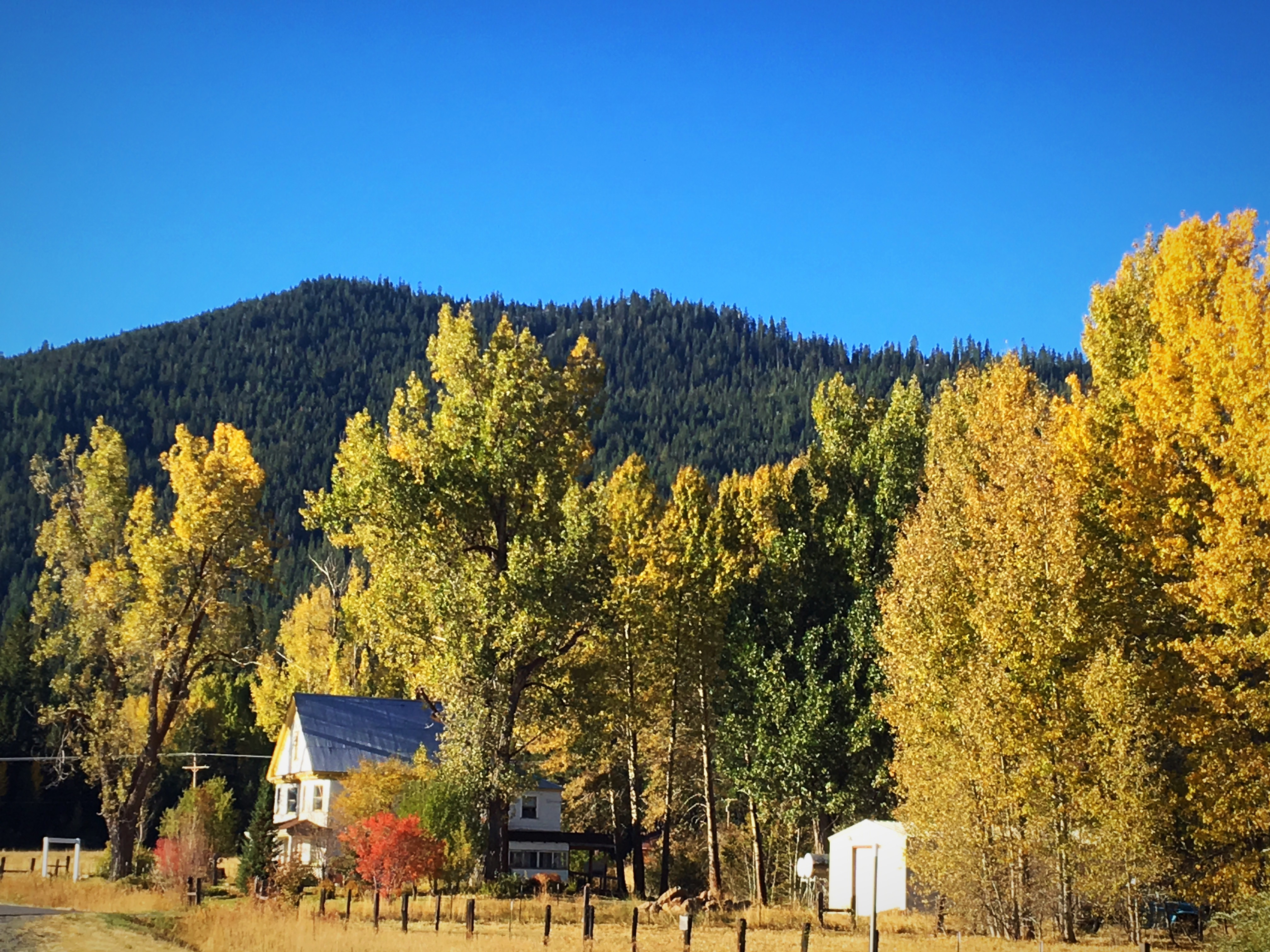
Driving along Highway 89 in the early morning light through Sierraville felt like magic. Yellowing aspen with leaves fluttering in the wind heralded the season. Quaint, rustic farms with historic buildings from the gold rush era marked every bucolic turn. Many had wrap-around porches and weather panes. Dilapidated sheds, cows, sheep, and pine trees made homes in the valley that sprawled between mountains on all sides. We saw hawks and geese and drove along a creek that is so picturesque, I know I have to come back in a couple weeks.  

Peaceful beauty, undisturbed by humans, is the magnetic force — I realized — that brought Linney and JC back for more. 

JC’s dog on the road that navigates the campground
Mossy tree
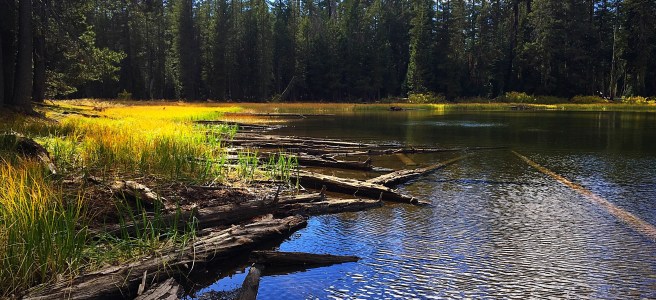
Sparkles on the Water

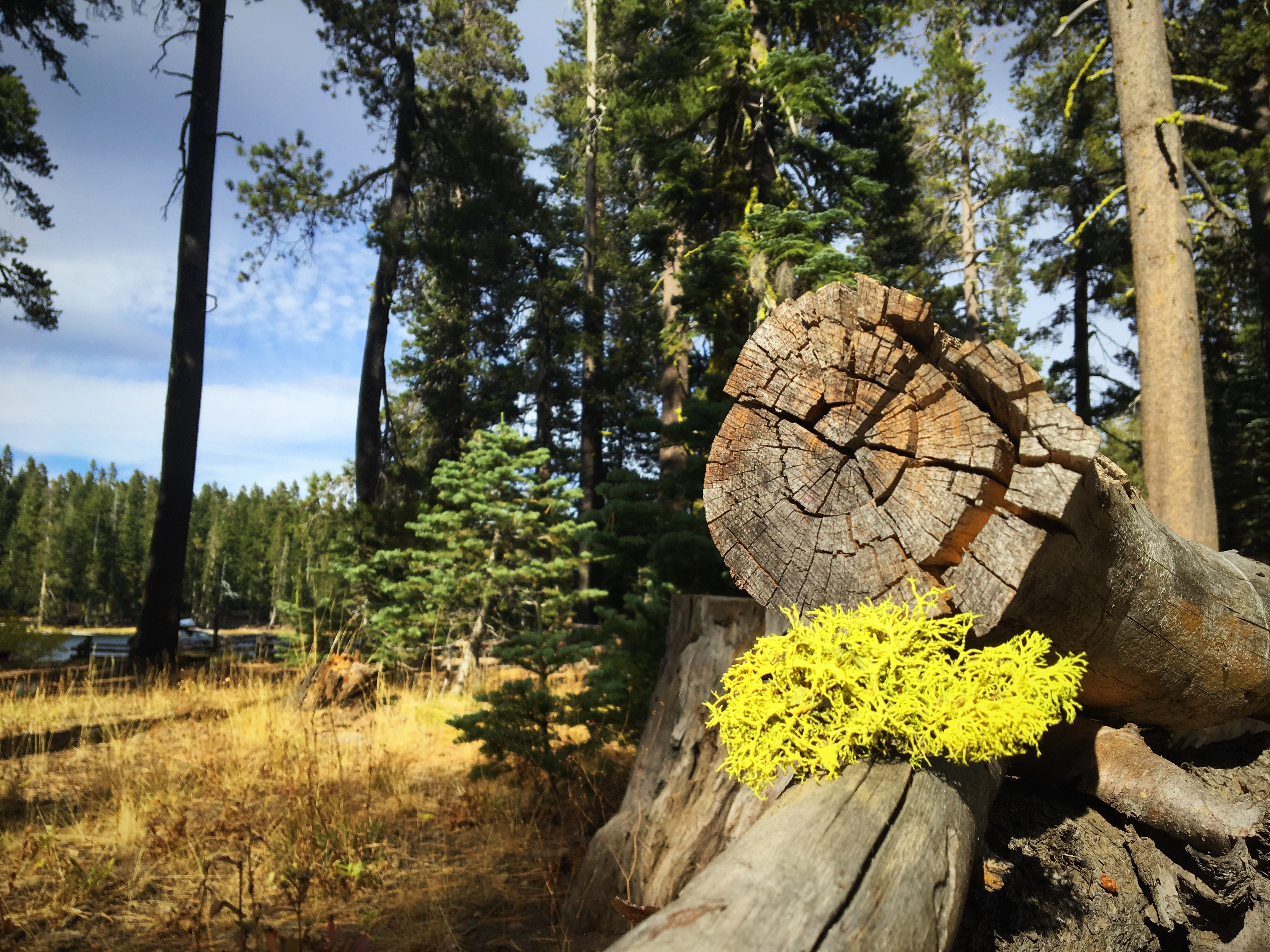
One of Linney’s fancy dogs; Photo by Linney

Yellowing Aspen in Sierraville

Festival Street Styles of Symbiosis Gathering

Courtney W, creator of Threaded Vibes, invited me to guest write for her blog; as a fan of her work, I eagerly agreed. Check out my guest post covering the Festival Street Styles of Symbiosis Gathering:

Symbiosis Gathering came in at the end of California’s festival season right on the heels of Burning Man. Though it cannot compare with the Burn, Symbiosis Gathering did not disappoint. Perhaps what set Symbiosis apart from most other curated festivals was the venue — located on the Woodward Reservoir, the festival grounds stretched along an amoeba-shaped patch of land surrounded by water. Each stage had its own plot utilizing the natural curvature of the water and land to create separate spaces; some stages required access by bridge. One stage, the Atoll, floated on a barge, and attendees either swam to it or arrived on a box-boat attached to a rope. Hosting world-class art, incredible day parties, and spectacular performers, Symbiosis reached the pinnacle of a curated festival experience.
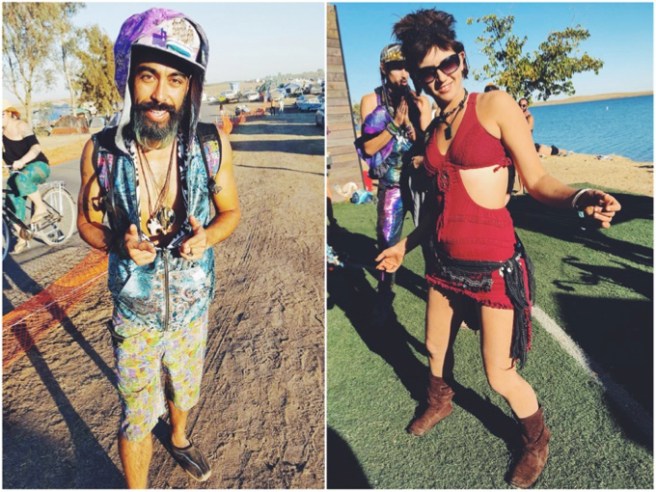
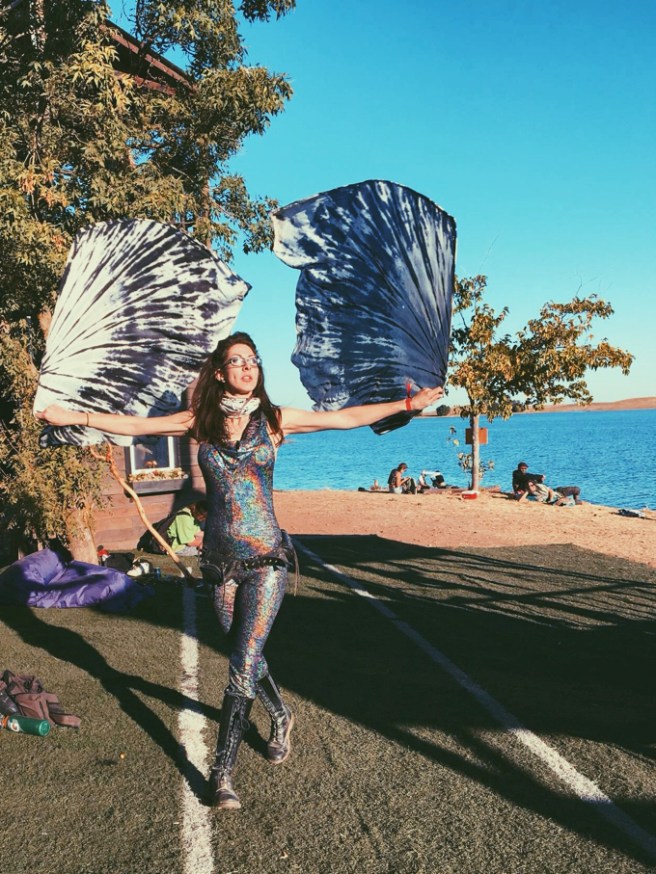
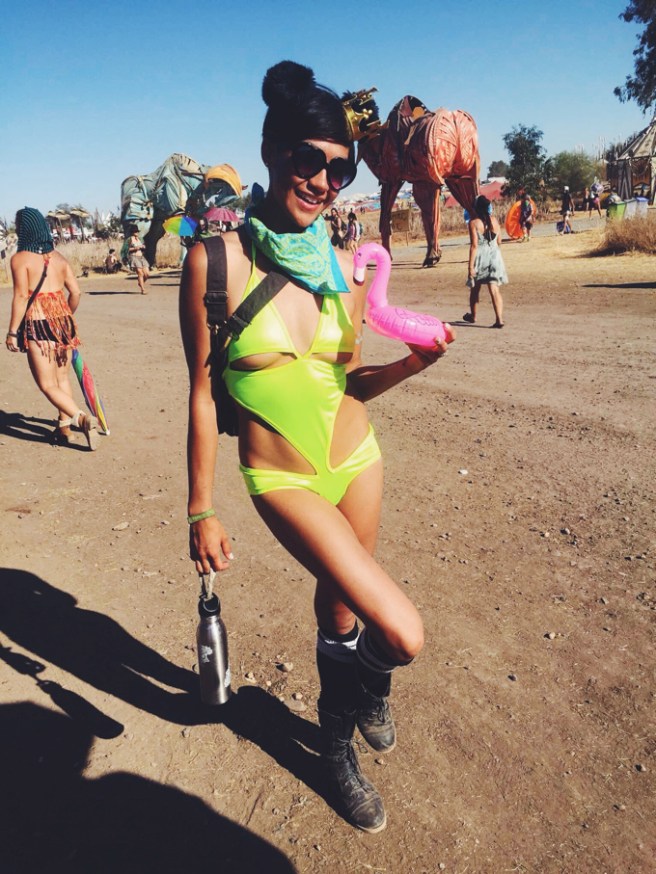
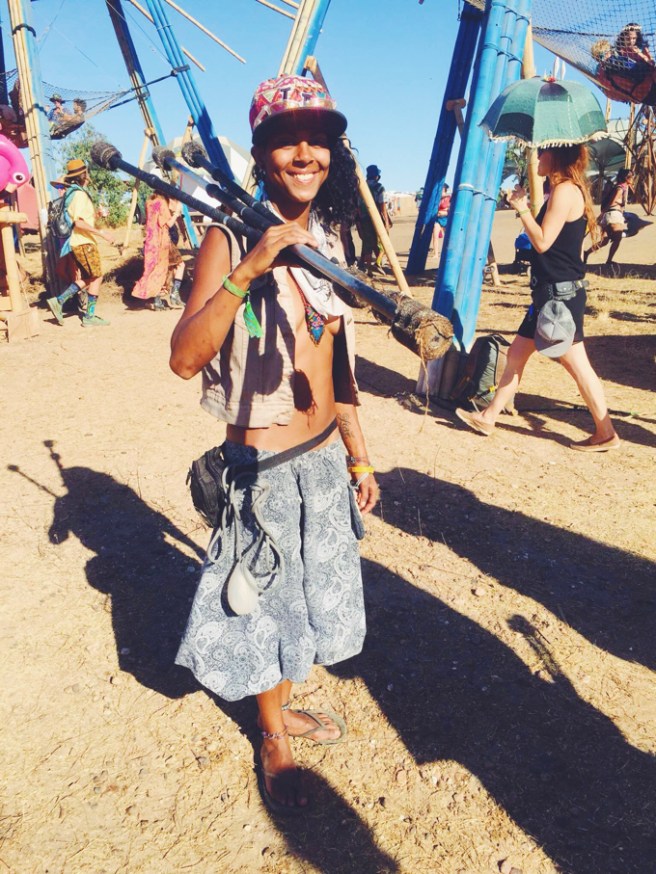
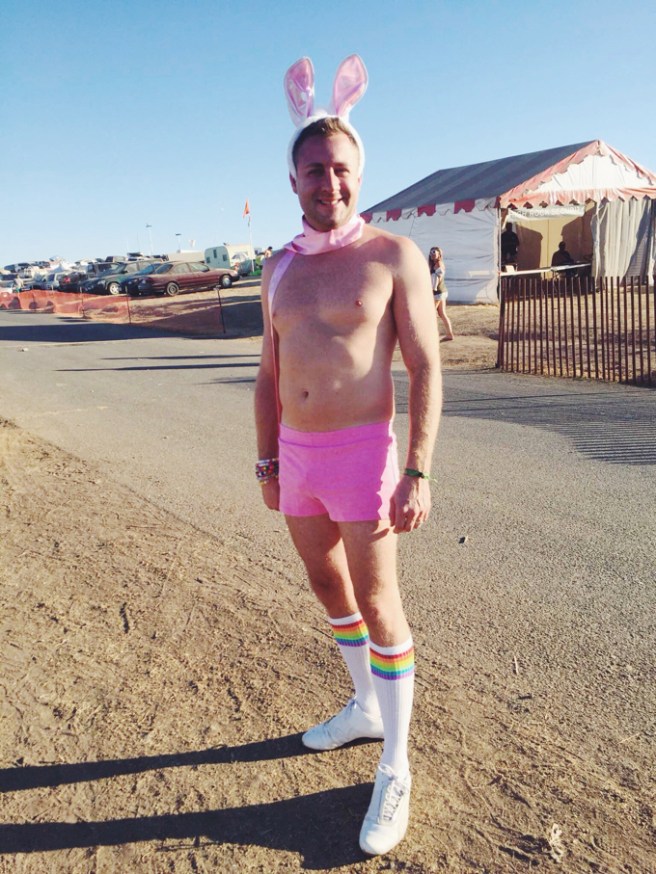
My favorite aspect of the festival was engaging and interacting with new people. I loved listening to their stories and witnessing them open their hearts — despite the many festivals I attend each year, this never gets old. The outfits many festival-goers wore delighted me. Onesies, sparkles, bright colors and nuevo-tribal ran the show. Seeing people express themselves in weird and wonderful ways gave me an unparalleled joy; it harkened to the radical self-expression at Burning Man that I love so dearly.
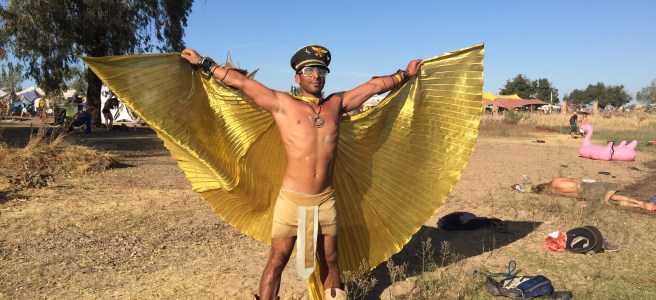
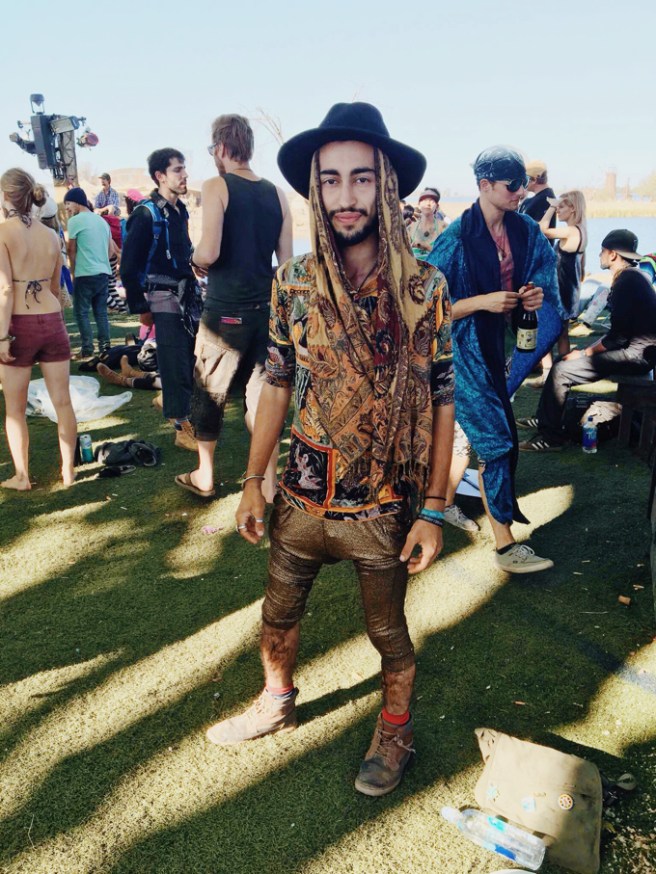
I had the pleasure of meeting two young men who had just bought and put on their first pair of manties (men’s booty shorts), which have become wildly popular among festi-men. “Manties give me an incredible sense of freedom,” one of the men told me. The other added, “I don’t know why I didn’t try these earlier in the season.” And isn’t that the best part of festival fashion? It frees us from the confines of ordinary fashion and allows us to try new forms of expression.
Here are some of my favorite fashion statements from the weekend:

Source: Festival Street Styles of Symbiosis Gathering –

Tiny Homes for the Homefree

In the days after I talked with my friends about using self-care to enhance their creativity, I saw them internalize the message by eating more fresh foods, meditating as a group, and taking an afternoon off to swim in the Yuba river. In just a short time they were vibrant and joyous as if they had never fallen into a slump; more importantly, after they dedicated themselves to self-care, they accessed crucial, nuanced elements that brought completion to several songs. When they played me a few tracks I was spellbound by the gravity and emotion of the music; one song even brought me to tears.

Witnessing my friends gain immediate, fruitful vitality and accomplishment spurred me to nourish my inner artist with greater depth.

I began by writing a list of fun, compelling, and invigorating activities to feed my soul and refill my creative well (as Julia Cameron would call it). To my surprise, as I reviewed my list, I found many hobbies like gardening, juicing and playing piano that I couldn’t do often — or at all — while living on the road. I realized I missed them like long-lost friends.

I turned my inner eye to the loneliness, uncertainty, and aimlessness I’ve felt in the past year from living homefree. I thought of the time and energy I’ve lost from worrying about where I would go, which friend could host me, where to write, and how I could shift the moving parts to make it happen.

For the last few weeks I’ve taken a break from constant travel and have stayed in a cottage on my aunt and uncle’s property. It’s the longest I have stayed in any one place for the last year! But could I call it home?

Despite the difficulties of homelessness, I love the thrill and adventure of transience. I love the way it’s forced me to grow and stabilize in the present moment. Settling into one place felt like it could end my carefree, rolling stone lifestyle.

But what does my inner artist want?

I walked out of the cottage to a nearby pond. Standing beneath pines amongst lupine I felt the beauty of the landscape seep into my bones. I breathed deeply listening to the freedom of birds singing from the trees. Still water reflected clouds, and looking into its depths, my mind became quiet.

Wouldn’t it be refreshing to have a home again? I thought of all the comforts a home would provide: a grounding place to go back to; a sacred space for meditation, prayer and writing; my own bed. I love domestic activities; they enrich my life and nourish me. With a home I could cuddle my cat, play my piano, plant some flowers, and create a space and momentum for words to flow. A home would make self-care easier and diminish my greatest stressors. It didn’t have to mean an end to my glamsient ways; if I wanted, it could make glamsienting more sustainable.

I turned back to look at the cottage — yes, I would make this my artist’s home.

Clouds Reflected in the Pond