The Forest’s Song

I step outside. The sun peeks around clouds to caress the world and welcome me. Unseen doves proclaim the beauty around us. 
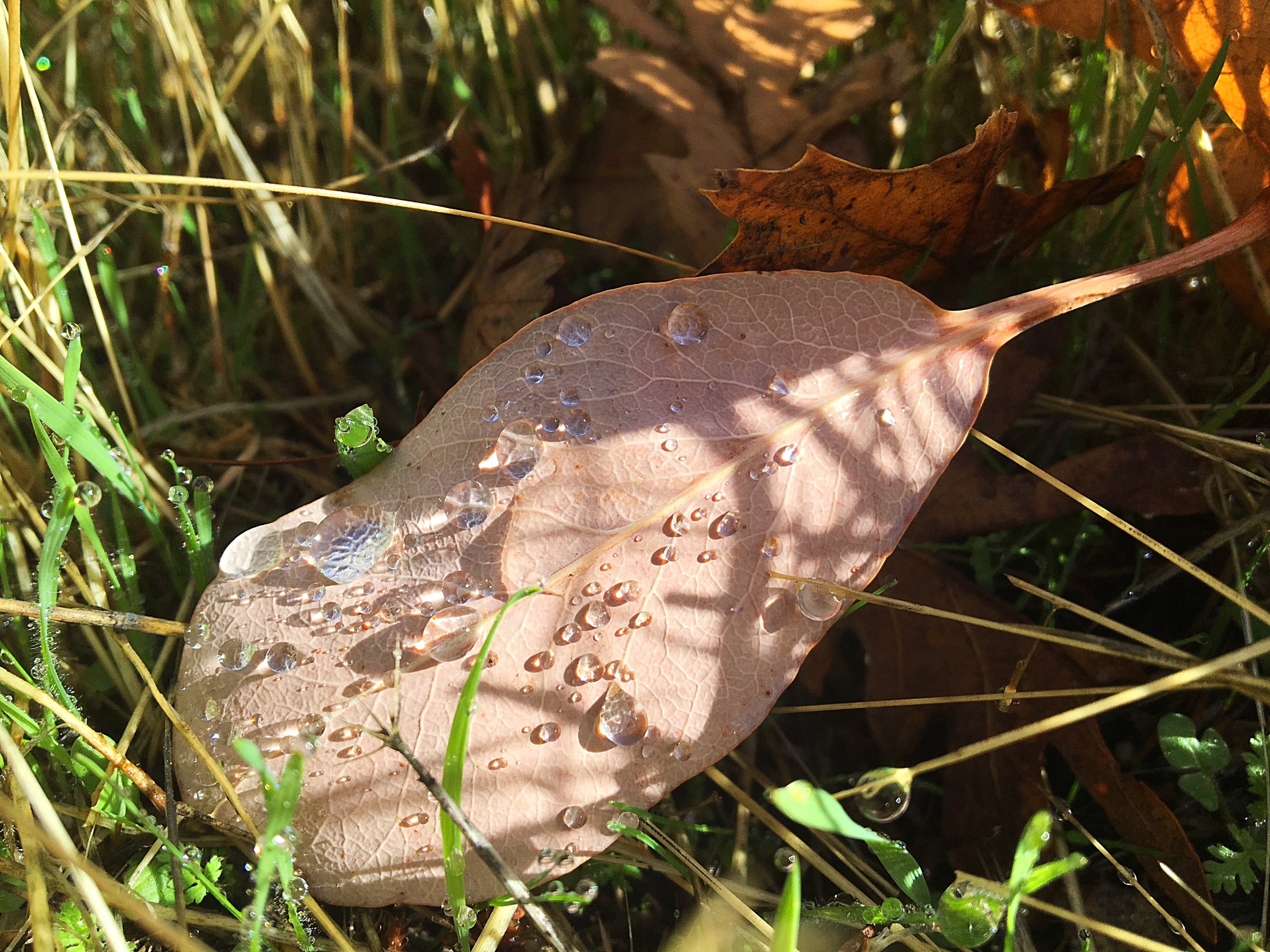
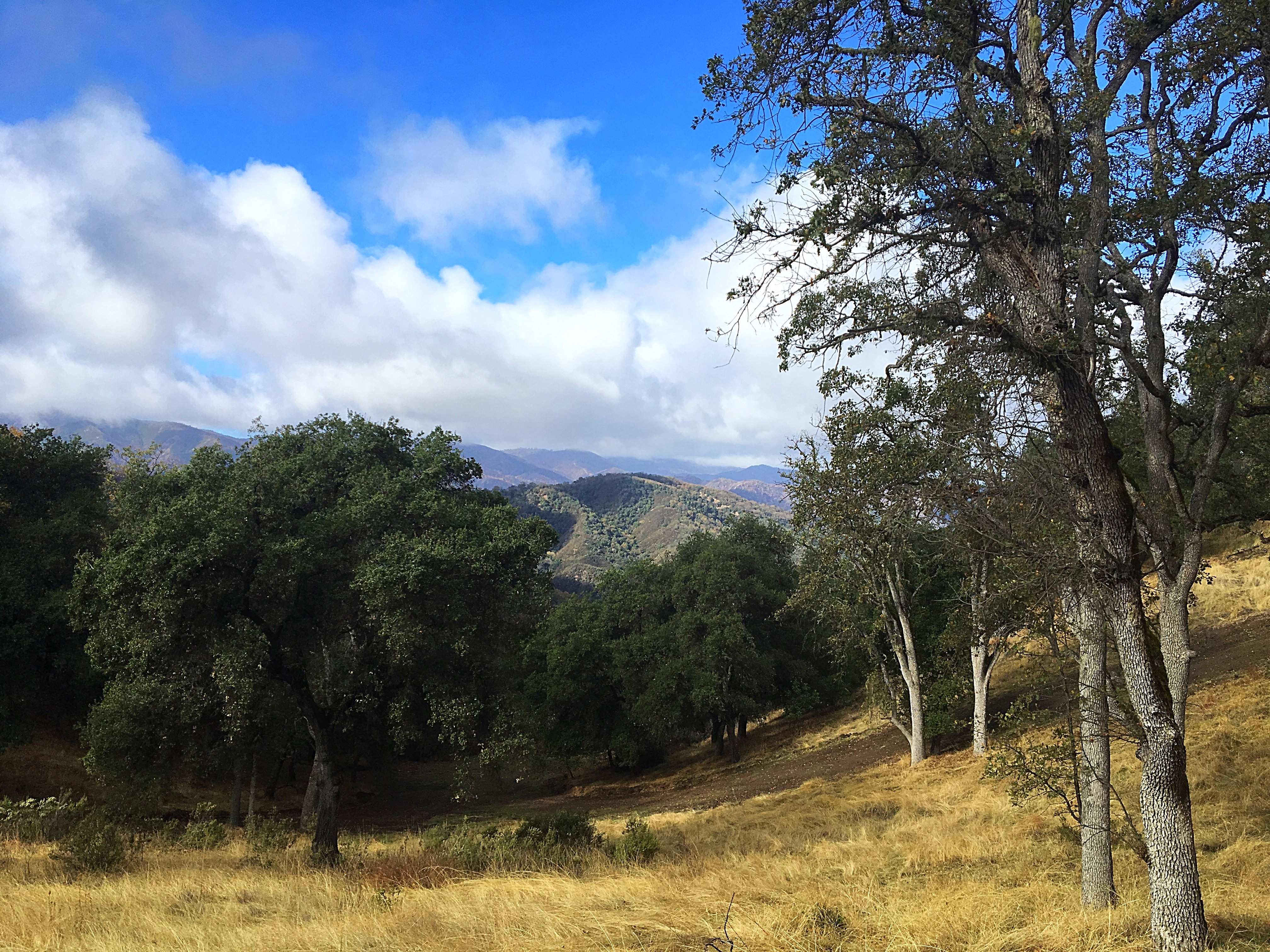
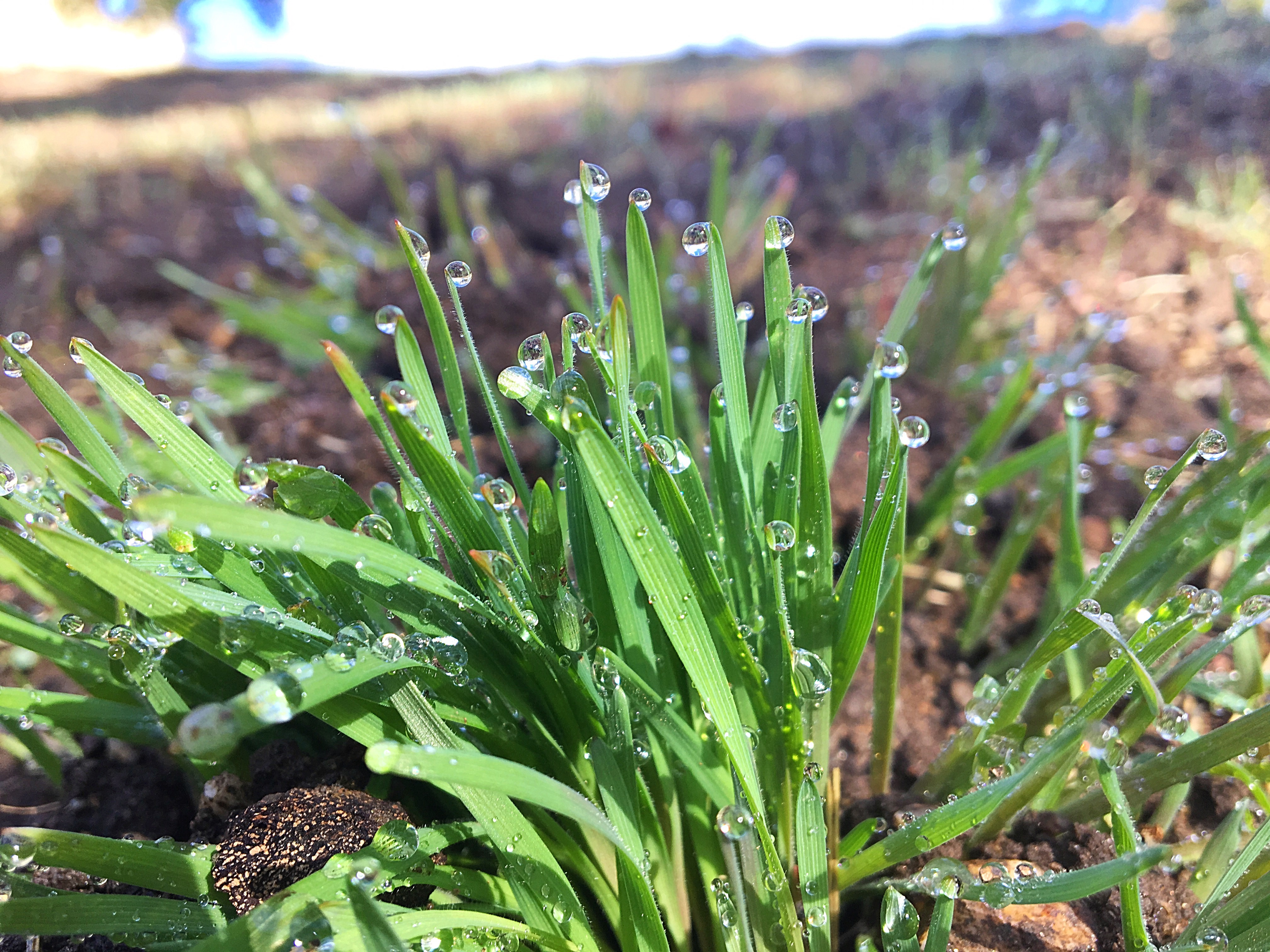
Dew rests on the earth; oaks stretch in wild formations. Brown leaves blanket the ground and young grasses grow amongst those that had died in summer. Moisture adorns foliage with drops that sparkle and glitter in the sun. Deer tracks tell me I am not the only one who walks this trail. 
I take a deep breath; crisp, clean air fills my lungs. The distant scent of Linney’s wood-burning stove reminds me that only a few months ago a wildfire raged in these mountains.
I come to a clearing and see a flock of quail, each dressed with its own fancy spots, stripes and bobbling headpiece. They whistle as they run away on speedy legs.
I hear a crinkling sound and see California Towhee kicking up leaves to forage beneath them. As soon as I’m close, they fly away in perfect unison, their wings purring through the air.
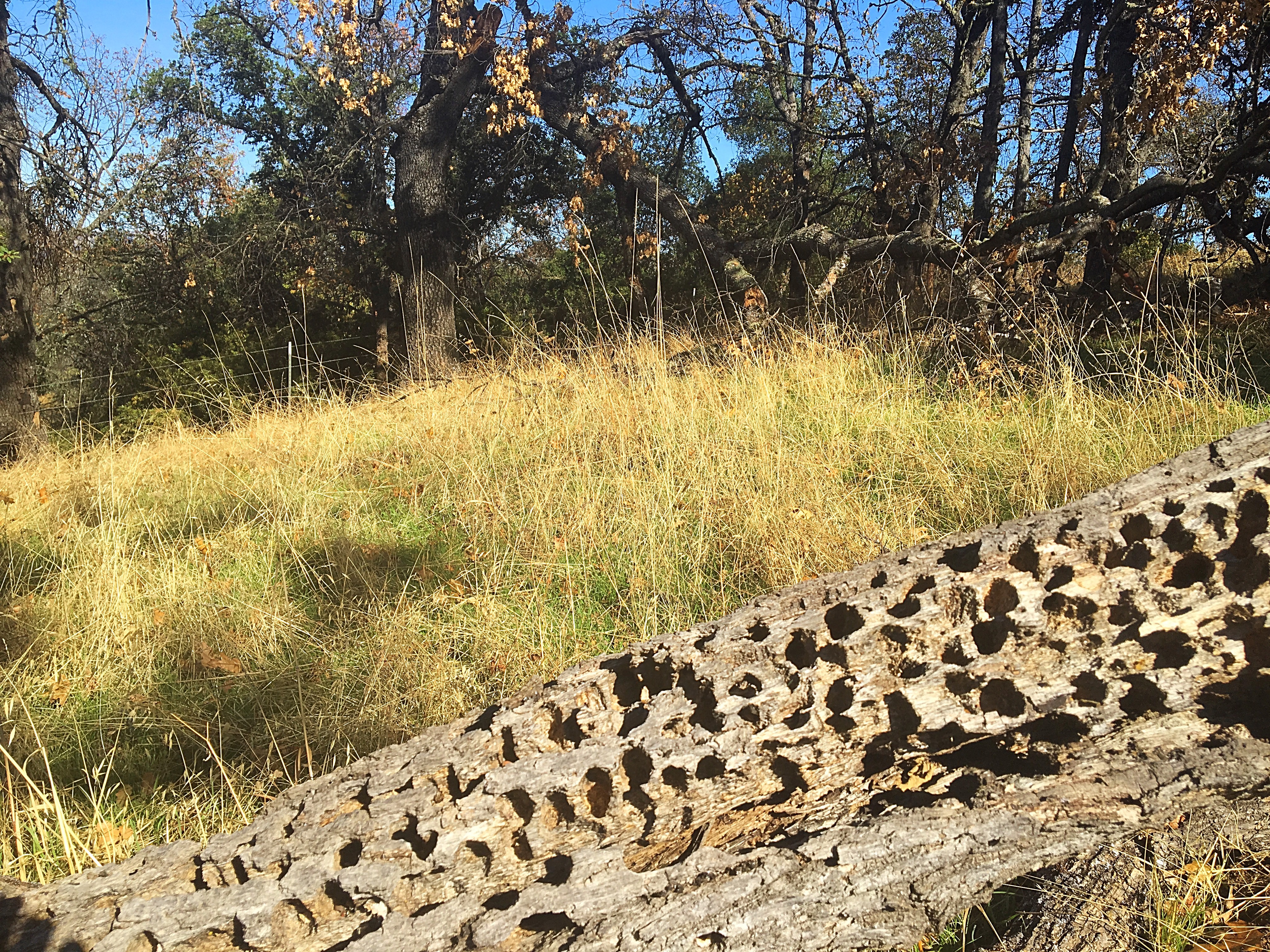
Acorn Woodpeckers squawk and chuckle while they perch on tree trunks, wearing tuxedos and red caps, drilling holes and stuffing them with acorns. Their happy, gleeful chucking brings a smile to my face. They must be telling jokes to make work more fun. 
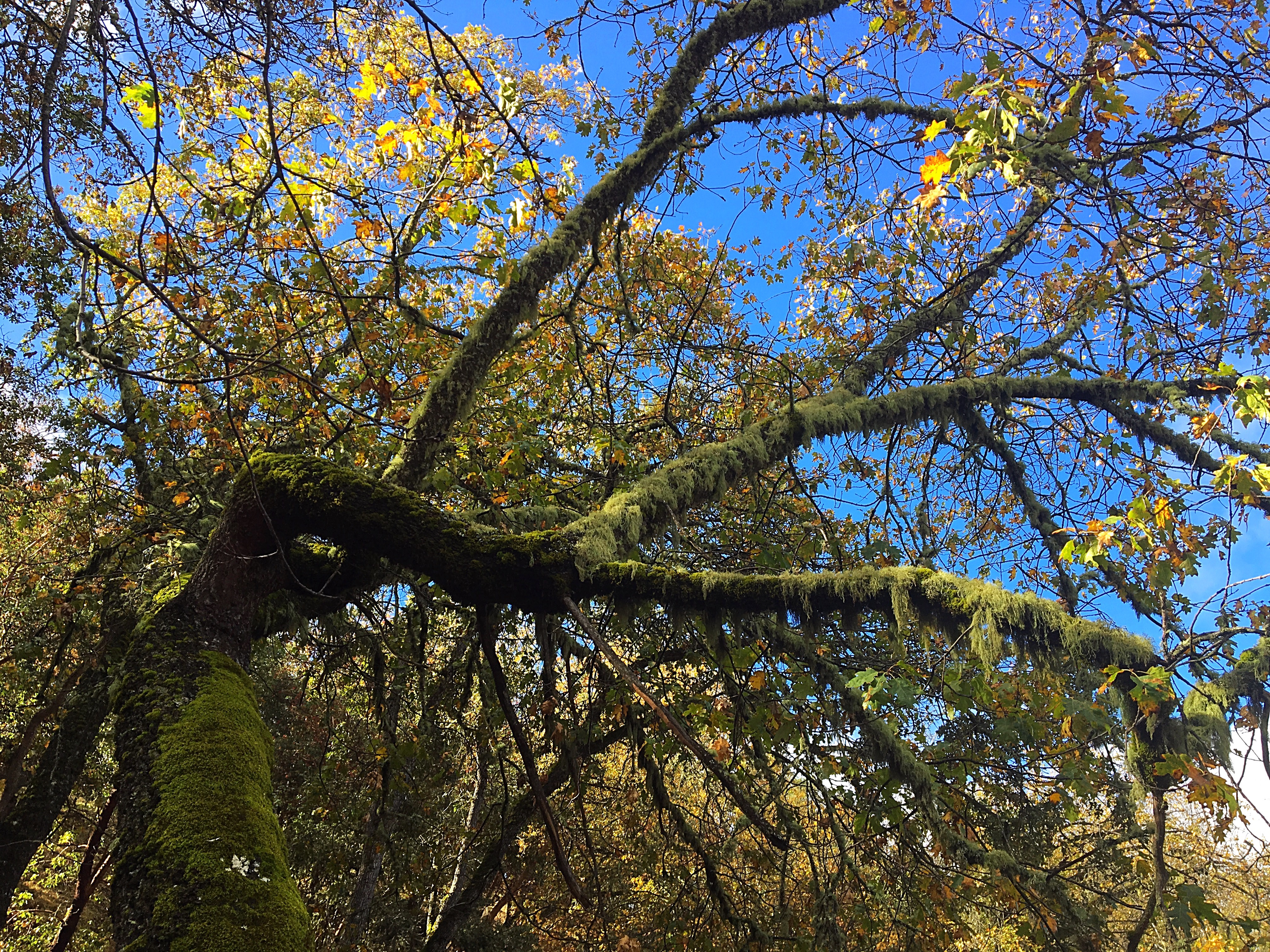
Off the trail, a thick oak branch grows horizontally from its trunk. Seeing that it’s dry and free of insects, I hoist myself onto it, stretch out my legs and recline back. The tree holds me like I am lying in its arm. 
Gazing into the canopy and up to the sky, I hear birds all around me. They rustle in leaves, they fly with fluttering wings. They sing, chirp, laugh, and coo. Each voice joins in one abundant song: the song of the forest.
I could lounge for hours on the tree branch listening, yet I know the forest does not sing for me. The forest needs no outside audience for its symphonies. It is a true and great artist: creating for creation’s sake, creating for itself. 
If the forest is the ultimate artist, how do I compare? What happens when I am the only one who reads my writing? 
I know the answer; I have felt it often. When I am my only audience, I get discouraged. I blame my voice — I call it awkward and uninteresting. My dream appears hopeless. My feelings keep me from putting words on the page.
The oak holds me like a mother. 
“Show me the way,” I whisper. “How can I create like you?”
“Close your eyes,” she says.
I obey. 
Minutes pass and I begin noticing subtle layers of the song. A hawk calls from high. A frog croaks in the distance. A crow caws. 
The forest tells me there’s room for every voice and contributors are never ashamed of their sound — it is the one they received at birth. They need not be melodic, gentle or harmonic to join the orchestra; they need only to be themselves. The song’s beauty is in its rich and vibrant variety. Each day it creates a new score without one thought of who will listen. The forest creates by design — without doubt or self-consciousness. 
Opening my eyes, I look into the tree with new understanding and say, “I will add my voice to the forest’s song.”
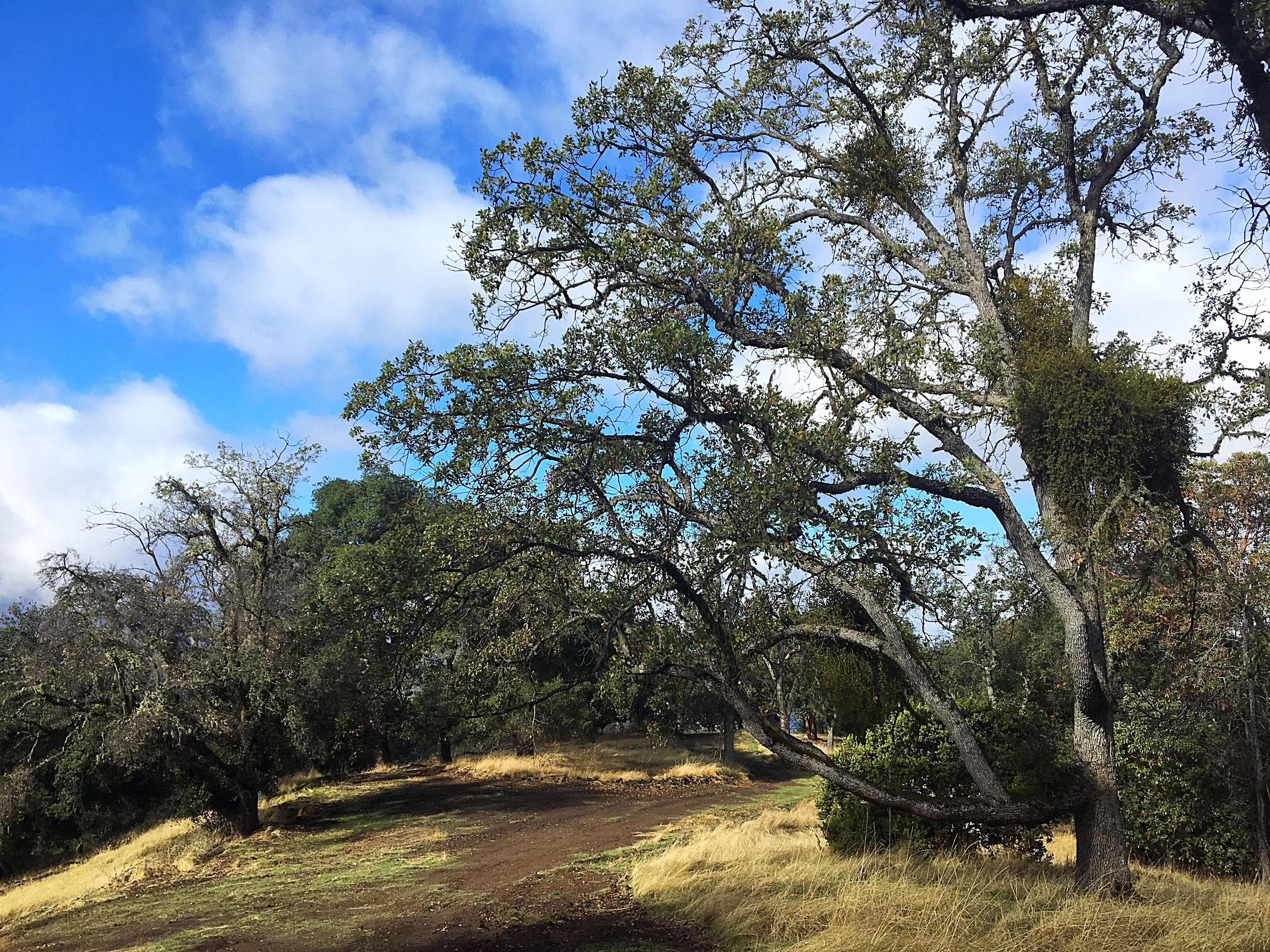
On the right, the tree who held me like a mother


Empty holes drilled by Acorn Woodpeckers

Overcoming Resistance

The past couple weeks were hard. I was in a major funk — my heart felt closed to myself and the world around me and I haven’t been writing because of it. When I feel shut down, I usually don’t force myself to write, it’s an easy excuse. (“I don’t feel like it,” I say to myself.) And then it gets worse because I’m not living my soul’s purpose; I’m not doing what brings me joy. Resistance and bad moods compound each other, they love each other.

It’s a vicious cycle.

When the funk began, I started writing a post on the practice of staying with unpleasant emotions in order to ease them with presence. I’ve been practicing this lately and it seemed fitting for me to write about it when I had so much hardness heaviness in my own emotional body and had to practice it constantly. But the writing came out clumsy and uninspired. And when I read it over — I knew it stunk! It read like a lame high school essay; no real depth of understanding, nothing truly compelling or engaging.

I kept at it. I had to post something! I wasn’t going to just quit this blog, so I revised it a couple times, but ultimately, I had to put it away. It repulsed me. And I didn’t have the drive to look at it for well over a week. It was like my resistance to writing was snowballing — adding weight and size each day I refused to write. My self-imposed deadline came and went. Then the next week’s deadline came and went. Finally, I sat down and opened the document, but I sat with my body turned away from the screen. I wanted nothing to do with it! I read the first couple of sentences and got up for a glass of water. Not one cell in my body wanted me to do my work that morning.

I was in the throws of creative resistance.

Recently, I read in The War of Art the only way out is through and decided I would test the theory. I took some time to free write — to write whatever came to mind even if it was petty or nonsensical. Soon enough, the words flowed. And I was rewarded for my effort to overcome resistance when Inspiration brought me this post.

When resistance comes — and it comes to me often — I now have the knowledge to push through and not let it phase me. Whether it comes in the form of a sour mood, doubt, a list of errands, or any other excuse, I have succumbed to resistance more than I would like to admit. Yet now I know the nature of this illusion: it’s simply a thin veil, deceptively impenetrable, but easy to drop.

As for the funk — that, too, disappeared once I started writing.

Resistance may feel like being between a rock and a hard place, but there is always a path out

Pinnacles National Park: California’s Well-Kept Secret

Keeping my vow, the day I left work, I headed straight to Pinnacles National Park. Luckily for me, a glamsient friend had the day off and agreed to join me. We started at the visitor center on the east entrance where I saw a sign announcing the arrival of a California Condor.”A new baby! How exciting,” I said to the ranger behind the counter.
“Yes, a girl. We are thrilled,” she said. “It’s from the only nest in the park!”
“Do you have any camping available for tonight?” I asked. Knowing that many California parks fill up months in advance during summer, I braced myself for her answer.
“Oh yes, there’s plenty.” She handed me a map of the campground. “Pick out an empty space, come back and let us know which one you want.”
We drove towards the back of the campground — it was virtually empty! With so much availability, we found exactly what we wanted: a site surrounded by trees and bushes to give us privacy and shade.
High Peaks Trail via Bear Gulch Cave
For our first hike, we chose the High Peaks Trail by way of Bear Gulch Cave. My glamsient friend informed me this is the most popular trail in the park.
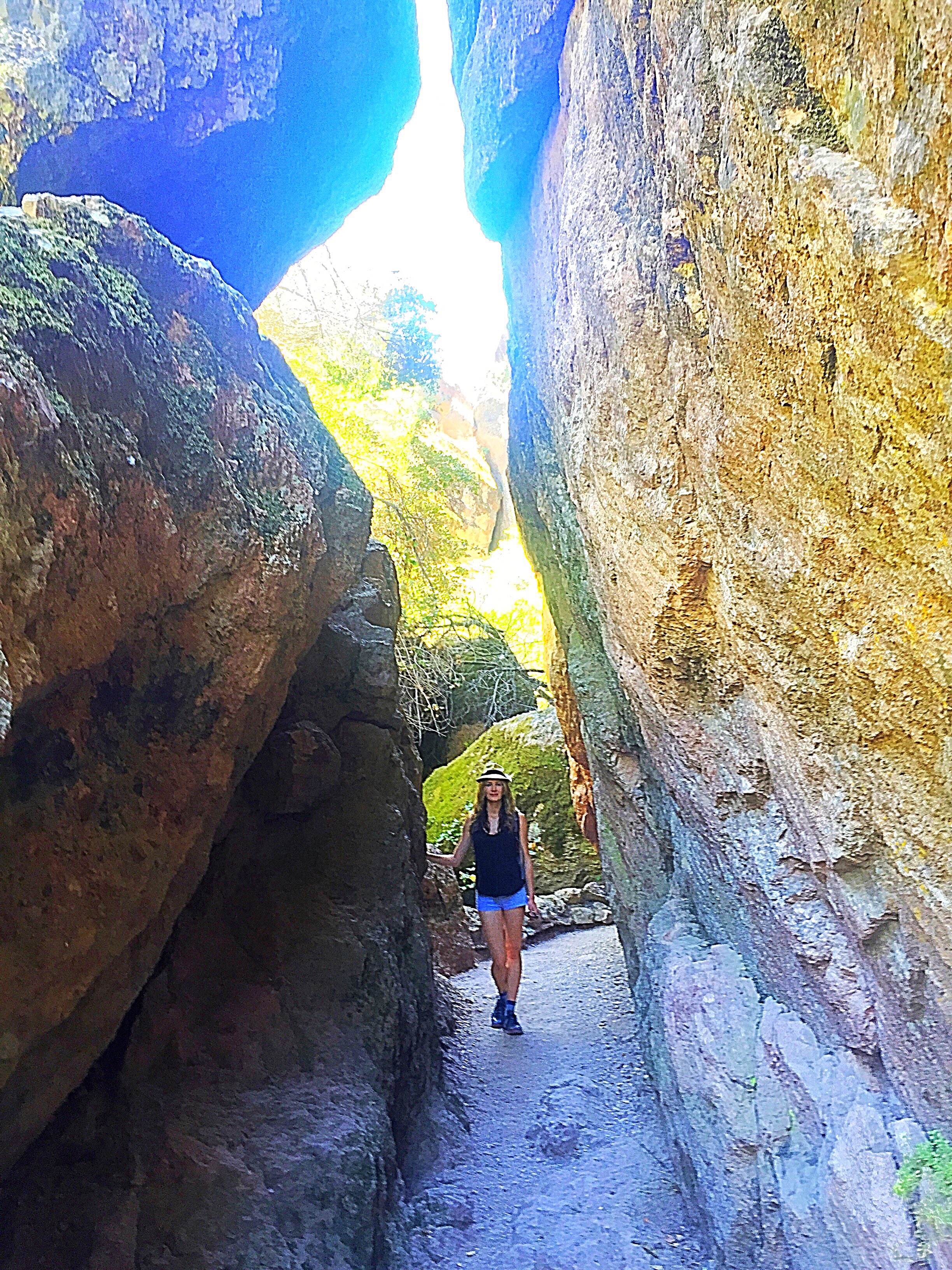
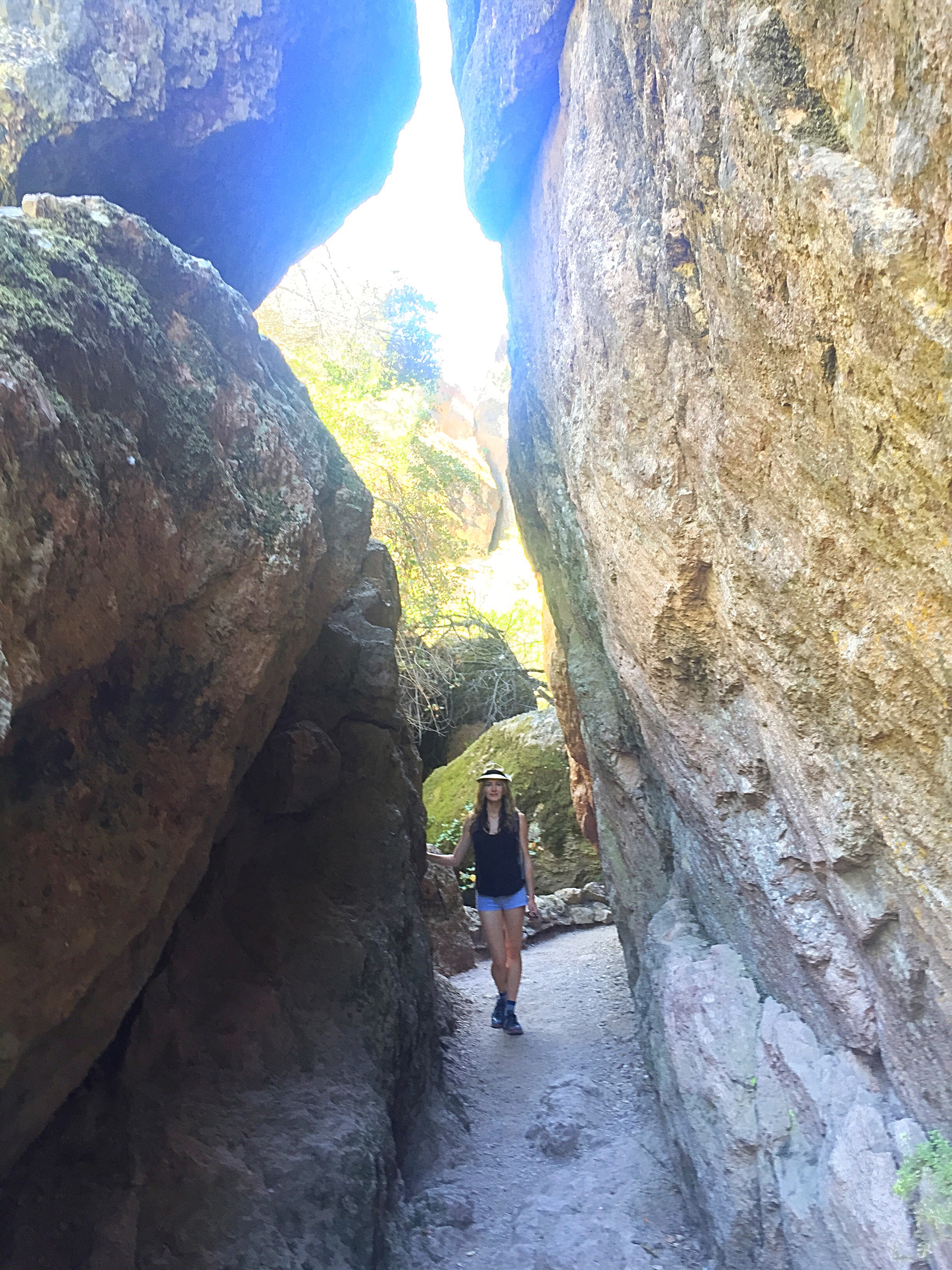
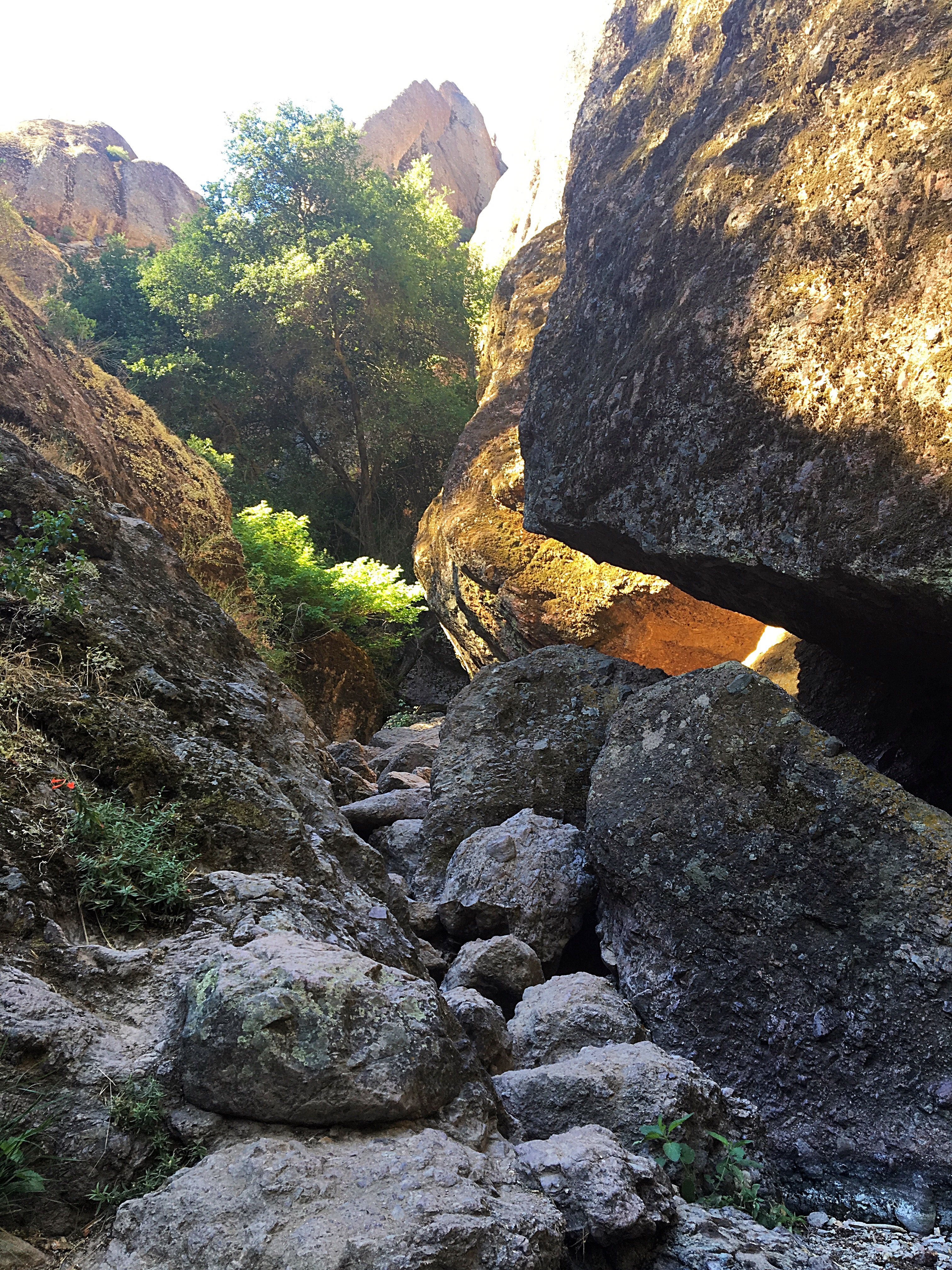
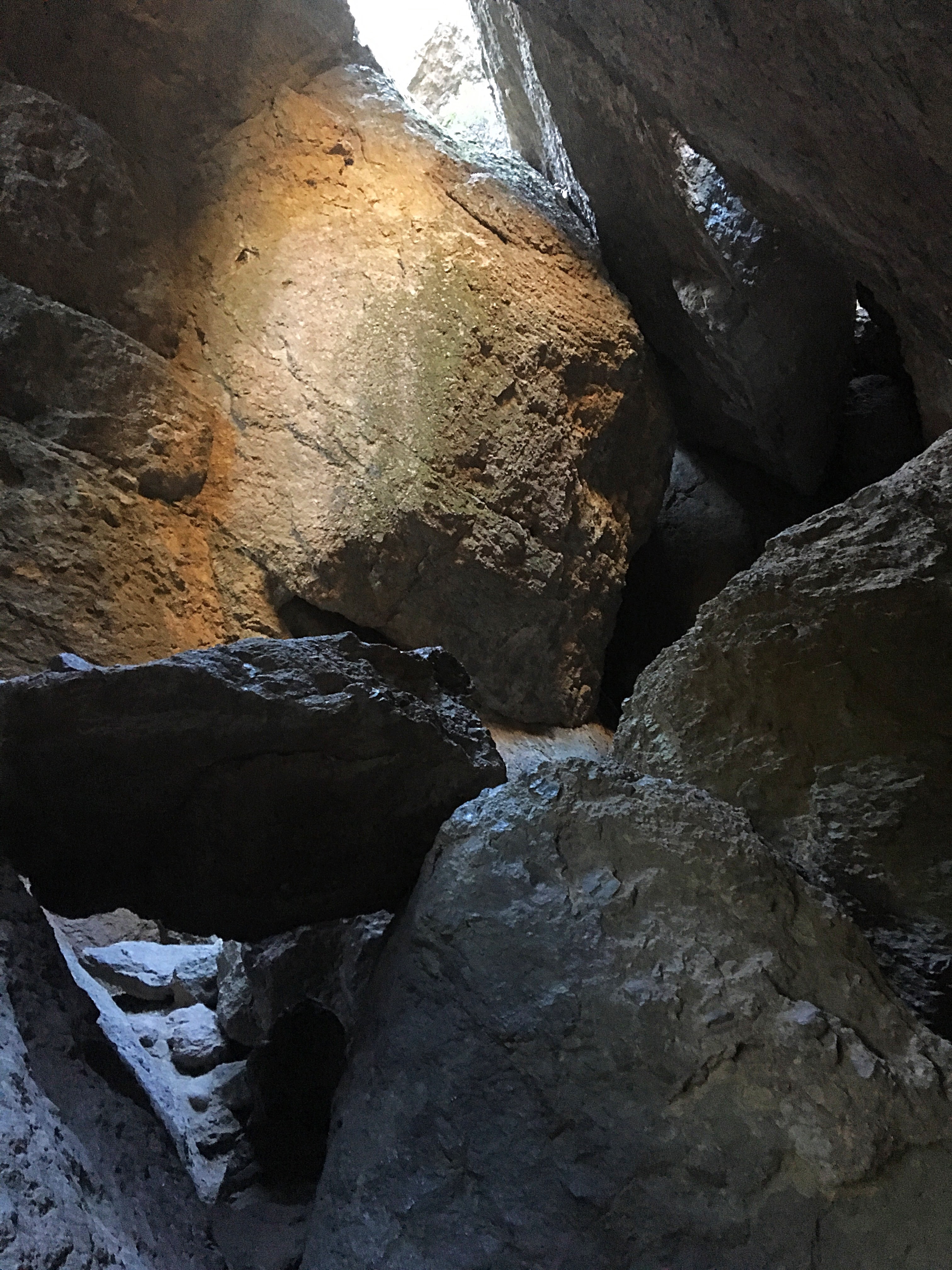
The first section guided us to Bear Gulch Cave, a rare talus cave thought to be formed in the ice age. The canopy of trees made this hike gentle and pleasant even in the middle of the afternoon. Created by large boulders that had fallen and wedged into narrow canyons, the cave was easy to navigate — sunlight made its way into the cave through open spaces to illuminate the path. We walked over bridges and up stairs created in the 1930s; part of the way, we had to crouch to pass underneath boulders.
“Wouldn’t want to be here during an earthquake,” my friend remarked. “The San Andreas fault is pretty close.”
For a popular destination at the park, the cave was by no means crowded; we saw only a few groups of people.
Leaving the cave, the trail led us to a small reservoir; that’s where the strenuous climb began to the High Peaks. Without the tree cover, under the blazing sun, every step moved me further uphill and every step told me that I am out of shape! I quickly realized this section of the trail would be much more enjoyable in cooler weather — either early morning in summer or a cooler time of year altogether!
(That being said, we saw many groups with children. They seemed fine. Hot, but fine.)
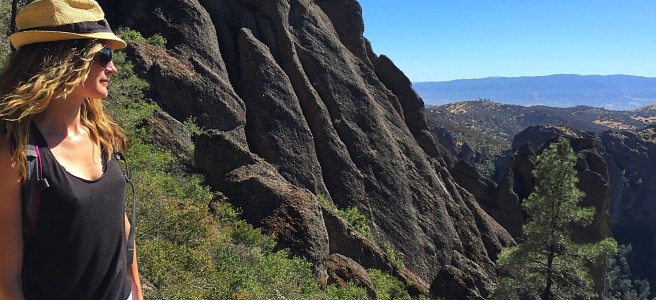
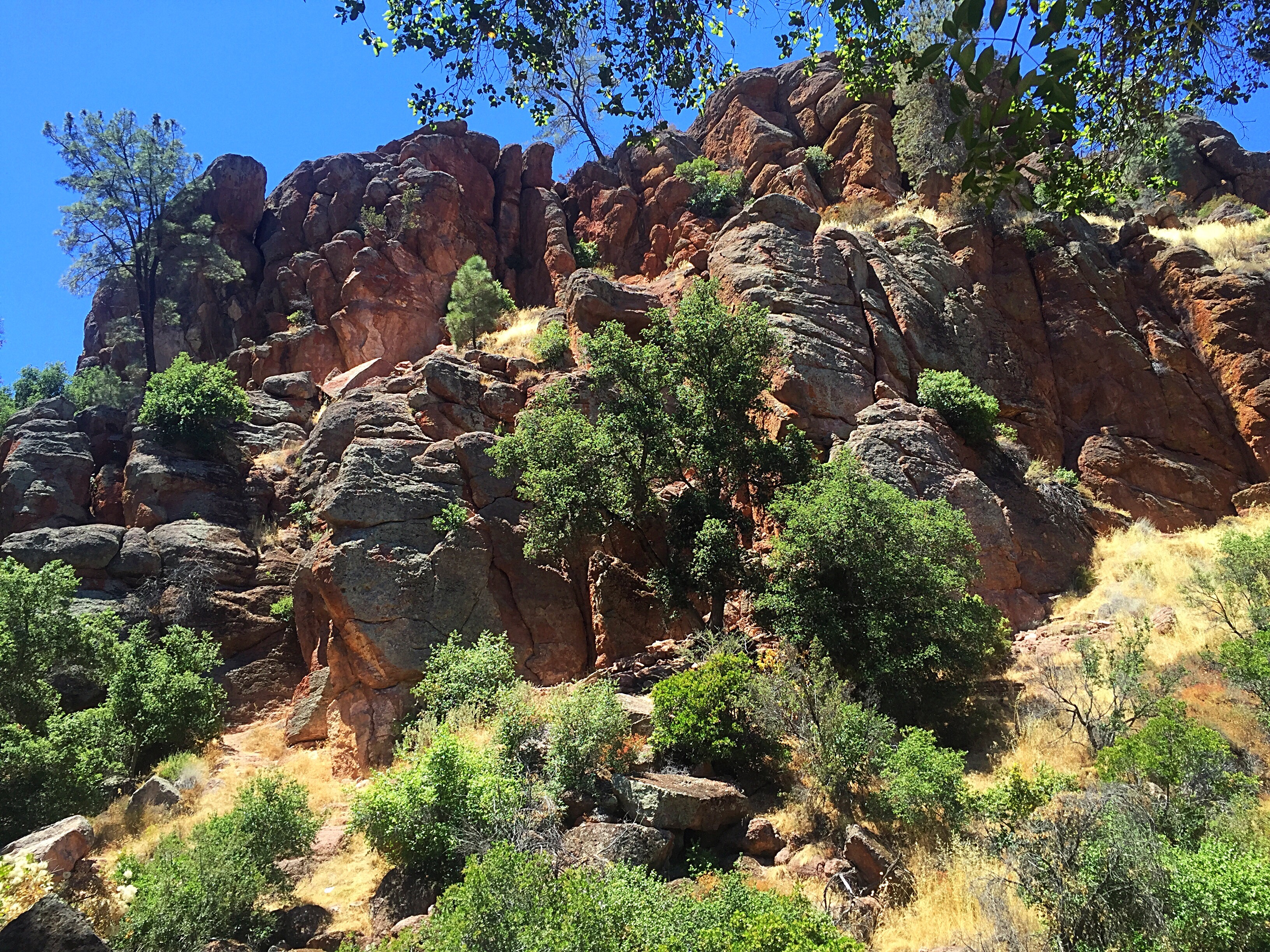
Ultimately, our effort paid off — the trail took us to an incredible peak revealing far reaching vistas of valleys, rock formations and mountain ranges to the east and west. The High Peaks trail showcases prehistoric rock formations; volcanic activity created these rocks 23 million years ago and erosion formed them into what we see today. It surprised me to learn seismic activity moved the solid, massive boulders over 195 miles northwest from the time of their creation.
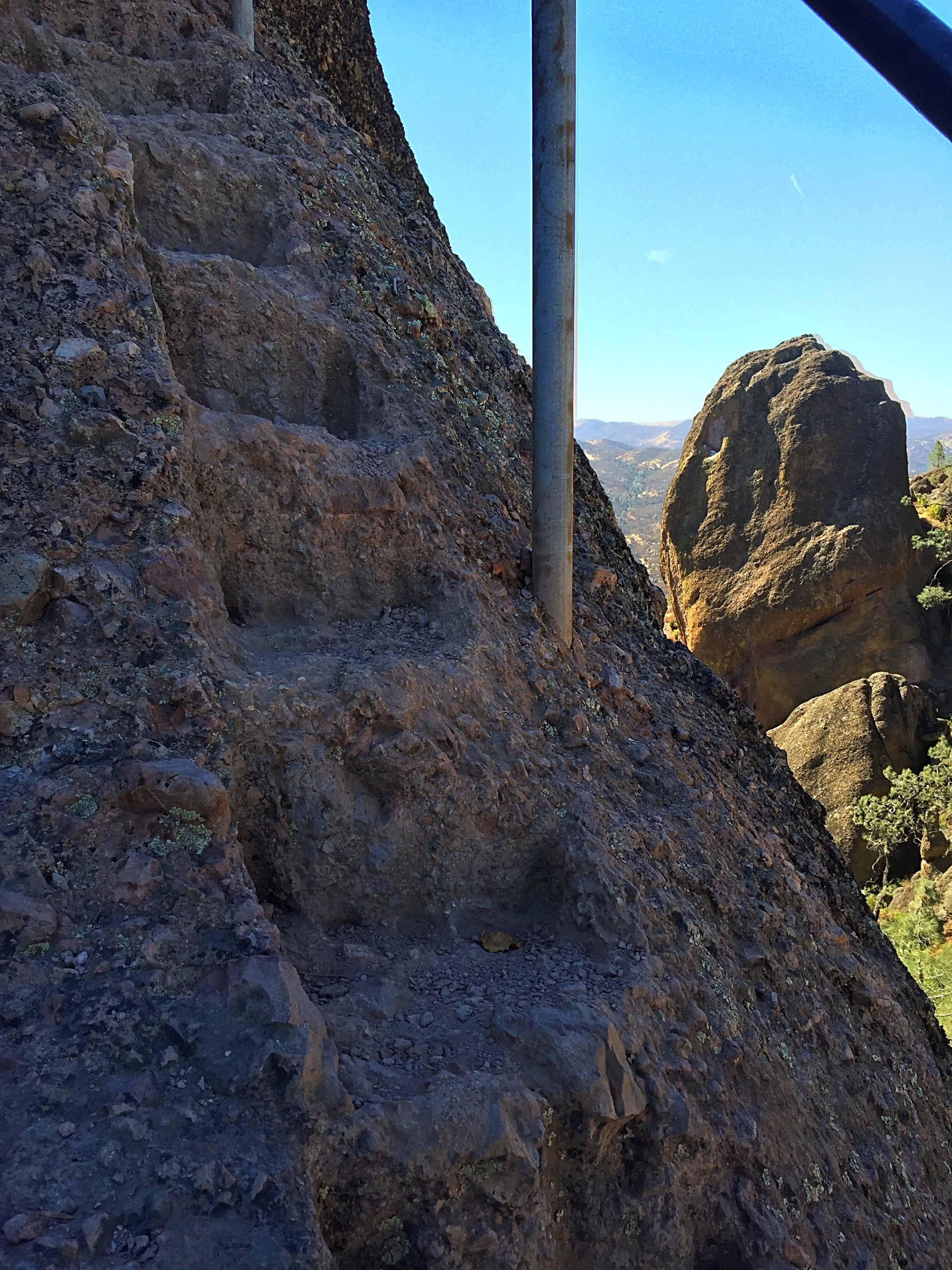
At the crux, we walked up and over boulders that created a long ridge — in many places, the trail was carved by dynamite into footholds and steps. We stopped to catch our breath, but lost it when a Condor flew overhead! One of only 36 wild in the park, we knew we were in the right place at the right time.
Shortly after we made our descent, we saw a couple on the trail.
“Is the peak much farther?” The young man asked. He sat in shade created by chaparral, his face was red and dripping with sweat. “We are thinking of going back.”
“You’re so close,” I told him. “Keep going.”
“It’s worth it,” my friend said. “The views and everything — you don’t want to turn back.”
“And there’s a cave on the other side,” I said.
Halfway down, we found a spot to rest and wait for the full moon. Despite my aching feet and jelly knees, seeing the moon — large and pink — rise over the mountains at sunset was a glory to behold.
It was dark when we returned to camp for dinner. Eating that night, I noticed a sense of vitality within me. My blood pumped through my veins, fresh air emboldened my lungs and my muscles felt active and alive!
Balconies Trail
The next morning, my fellow glamsient left early for work. Part of me wanted to head home, but I quickly recognized that desire as my old habit of rushing to the destination. The Balconies Cave enticed me and, remembering to slow down and savor the journey, I chose to stay in the park.
Driving to the trailhead I saw quail, turkeys, and a doe with her fawn. The parking lot was empty apart from my car, and only the sound of birds accompanied me onto the path.
Meandering through trees, the Balconies trail is mostly flat — a perfect companion to yesterday’s strenuous hike. Yellow swallowtail butterflies greeted me as if to say I had made the right choice. I breathed deeply, enjoying the time to myself.
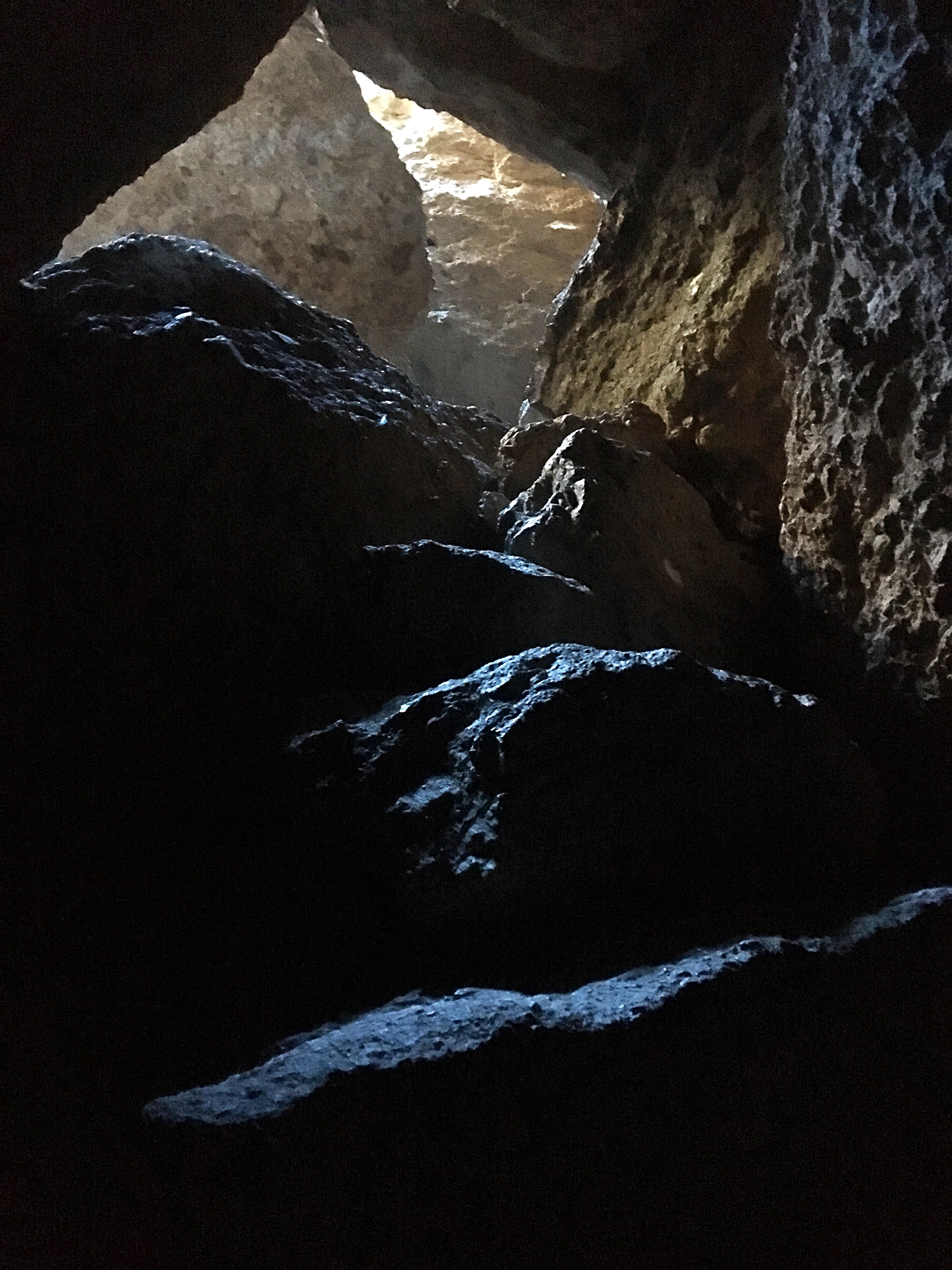
When I came to the entrance of the talus cave, I saw a large, metal gate. “Flashlights Required,” a sign read. Having seen a similar warning at the trailhead I had my headlamp — and thank goodness for that! The cave was pitch black; only little white painted arrows marked the trail.
Cool and dark, the deep quietude of the cave penetrated my being. I was completely alone, and instead of steadily moving through to the other side, I sat and turned off my headlamp. Surrounded by rock, my small, vulnerable body felt soft and humble, but I was not afraid. I felt held and supported. I seemed to dissolve, as if I were part of the rock, the air, the empty space. In perfect stillness, I tuned to the deepest part of me — connected and endless.
When I was ready, I moved forward through the cave. As soon as the first rays of sun beckoned me out I wanted to go back into the dark, cool, quiet chamber. It had given me a thrill unlike any other.
Hiking the next section of the trail — a moderate stretch with views of rock formations jutting out of the earth like balconies — my mind returned to my experience in the cave. Wholly grounding, yet also uplifting, I longed to return to the cave and the feeling of oneness.

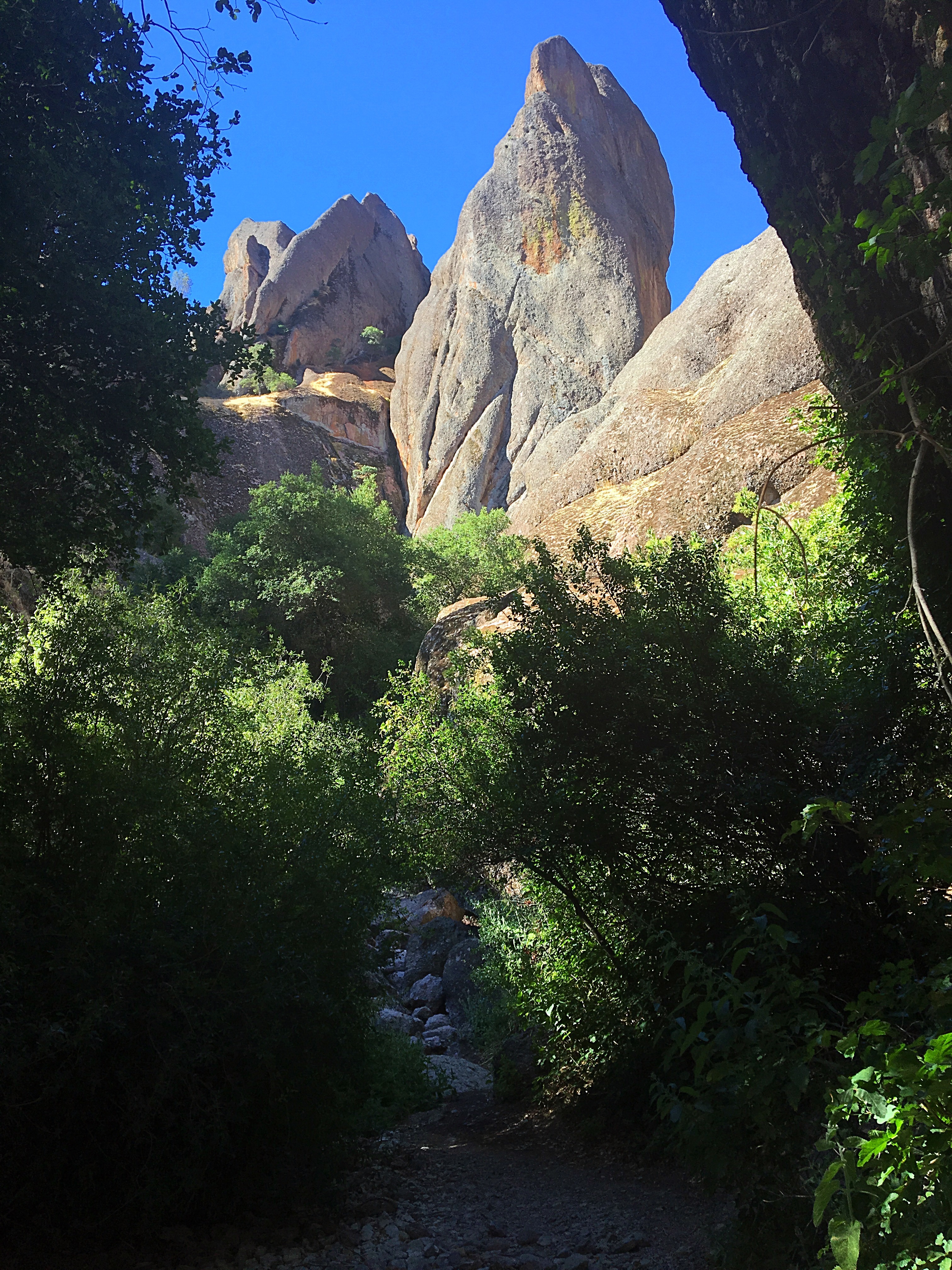
Rock Formations
Small and humble
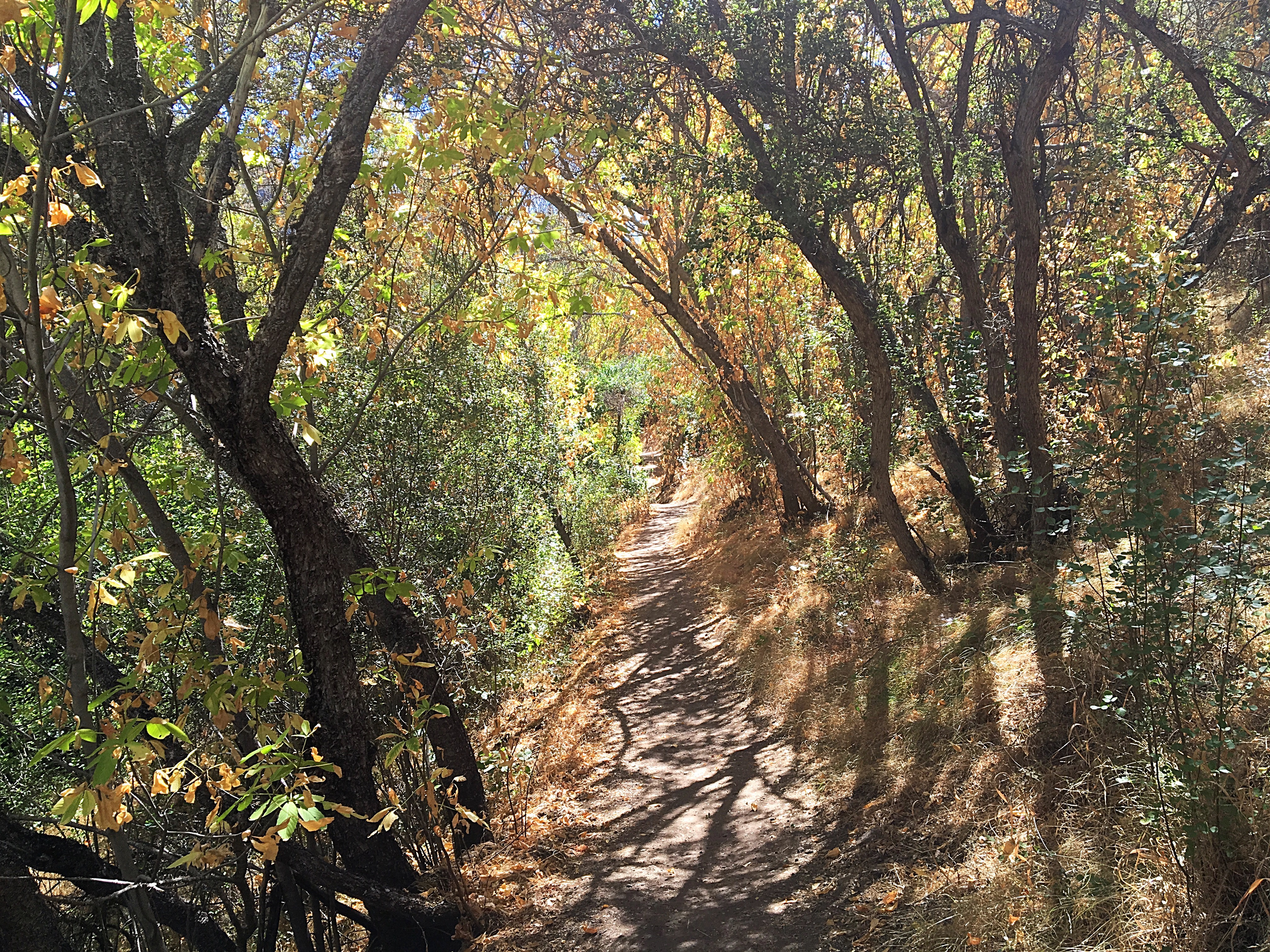
A shady, gentle, empty stretch of trail
Footholds in the trail
Rocky trail
Rock formations over the trail
Entering the cave
Exiting the cave
Taking in the view from the high peaks


The Road to Happiness

Recently, I woke up feeling a strong aversion towards going to work; not because I hate my job, but because it is nearly 300 miles away from my new home and I didn’t want to make that drive.

When I’m scheduled, I usually leave as early in the morning as possible just to get there and be done with the drive. This particular morning, however, I decided to do things differently: I gave myself the glamsient luxury of time.

Instead of rushing out of bed, I snuggled with my cat much longer than anyone would consider appropriate, and before I got to packing, I went on the lake with my younger cousin. Dragonflies waltzed in the air, wildflowers crept close to the water’s edge, and fish made an appearance when we looked for them. We explored the lake on paddle boards, stopping in every eddy until we found a blackberry bush and savored its plump, dark fruit.

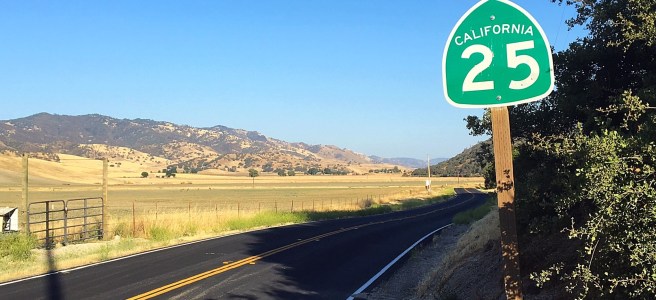
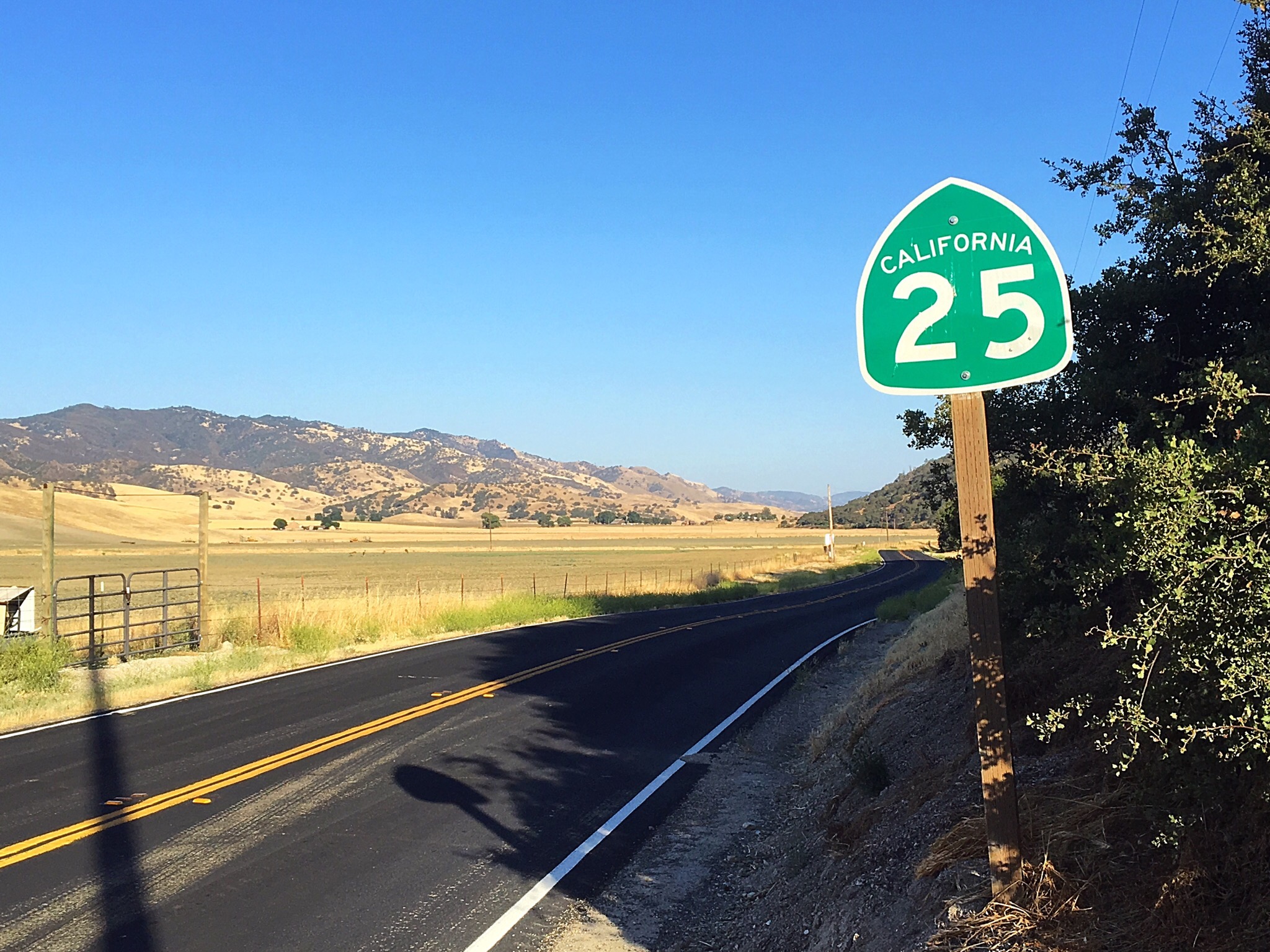
As morning drifted into early afternoon, I set out on my five hour drive. Invigorated and inspired by my new attitude, I decided to make my drive an adventure — instead of going the quickest, most direct route, I chose a new road. A stretch of California Highway 25, The Old Arline Highway, seemed appealing although I knew nothing about it.

Without any expectations, I felt a sense of curiosity towards my journey — much better than the dread I felt that morning.

South of Hollister, Highway 25 becomes a gently winding road and the scenery opens into long swaths of rolling hills, spotted with oak trees. East of Big Sur, valleys of agricultural and ranch land create a stark contrast to jagged mountains behind them. Highway 25 teemed with life: I saw hawks, vultures, quail, blackbirds, doves, goldfinches, turkeys, ground squirrels, rabbits and deer.

The highway was nearly devoid of other cars — a welcome reprieve from the hectic highways and freeways I often navigate.

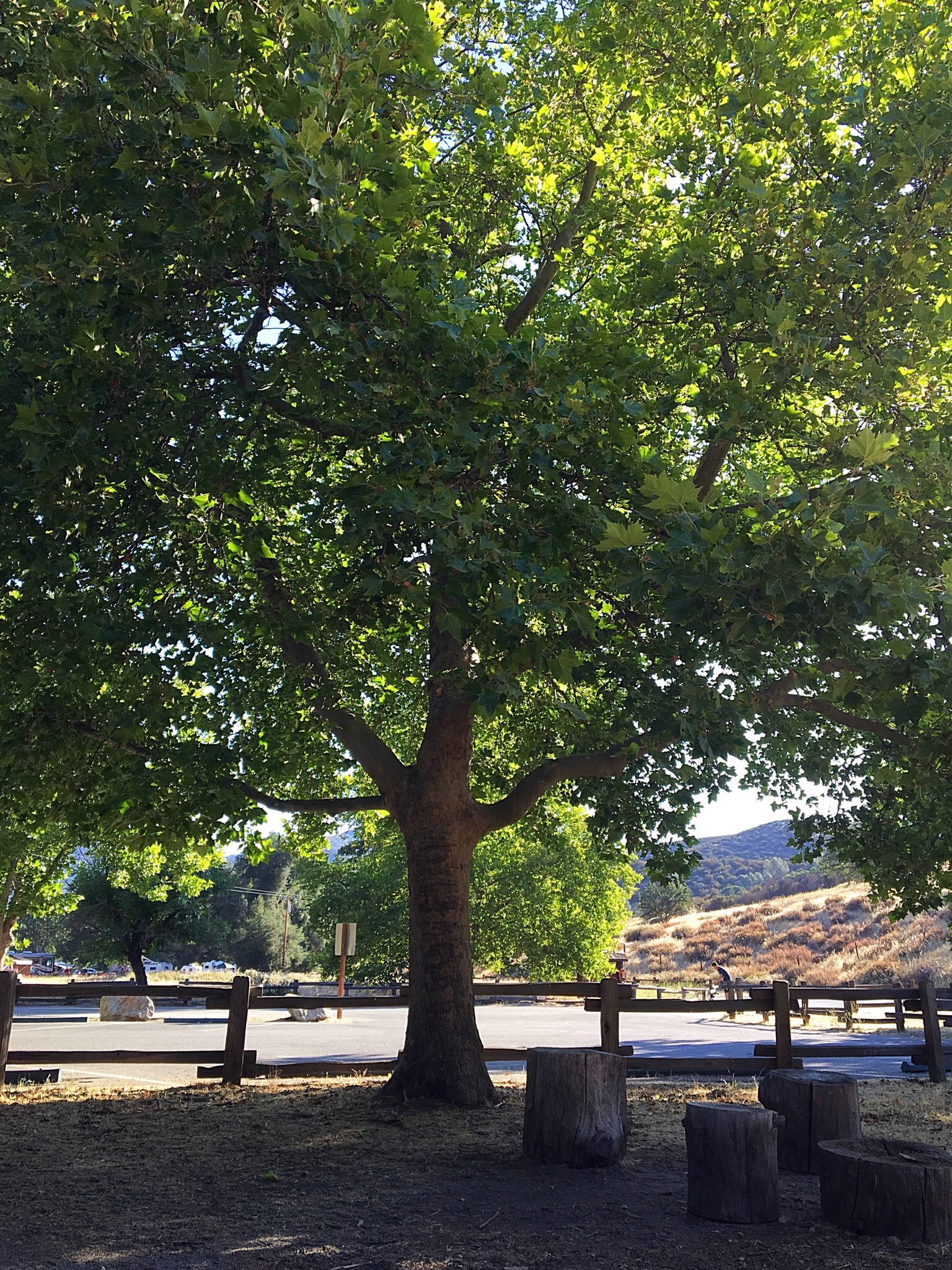
And then, I saw the signs to Pinnacles National Park. When I came to the entrance, I debated momentarily before consulting my new attitude and driving in to eat my dinner. I found a perfect spot under a large oak tree at the visitor center. Children laughed in the swimming pool behind me and a yellow swallowtail butterfly floated through the trees. A breeze rustled the leaves. I wanted to explore the park, but with only a couple hours of sunlight remaining, I knew I had to get back on the road. As I got into my car, I promised myself I would return on my way home.

Arriving at work just as the sun set, I felt refreshed and happy. Turning the drive into an adventure was the best thing I could do for myself that day. Instead of feeling grumpy and annoyed the whole way, I felt elated and light.

My small, impromptu adventure reminded me to slow down and take full advantage of every moment. I remembered that life isn’t about the destination, it’s about doing what it takes to enjoy the journey. Finding ways to create happiness and curiosity that day gave me the wisdom to shift my approach to everyday life.

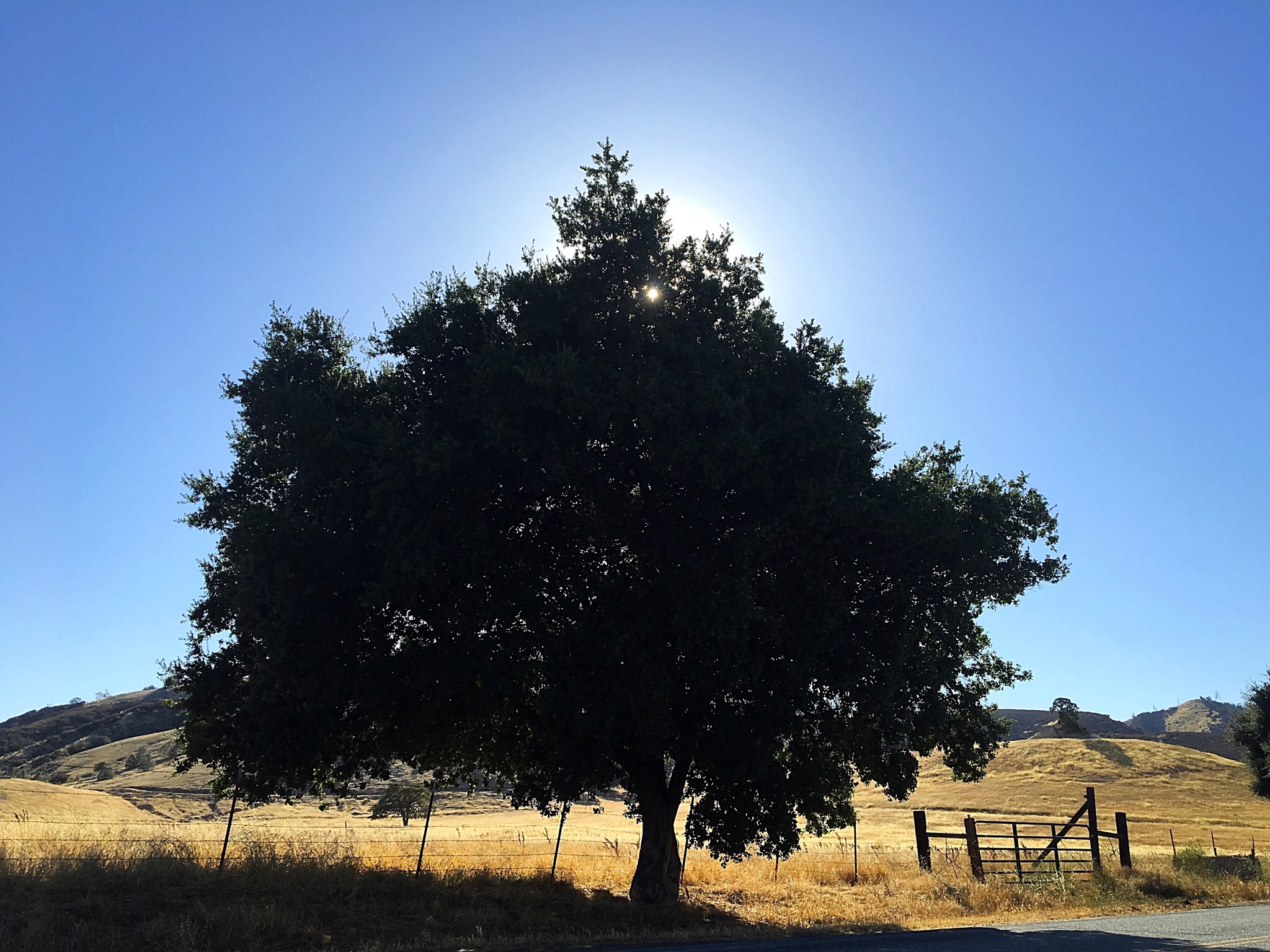
Oak Tree on the side of the Highway
Farm Land on Highway 25

Dinner under an Oak in Pinnacles National Park

Zion Transformation

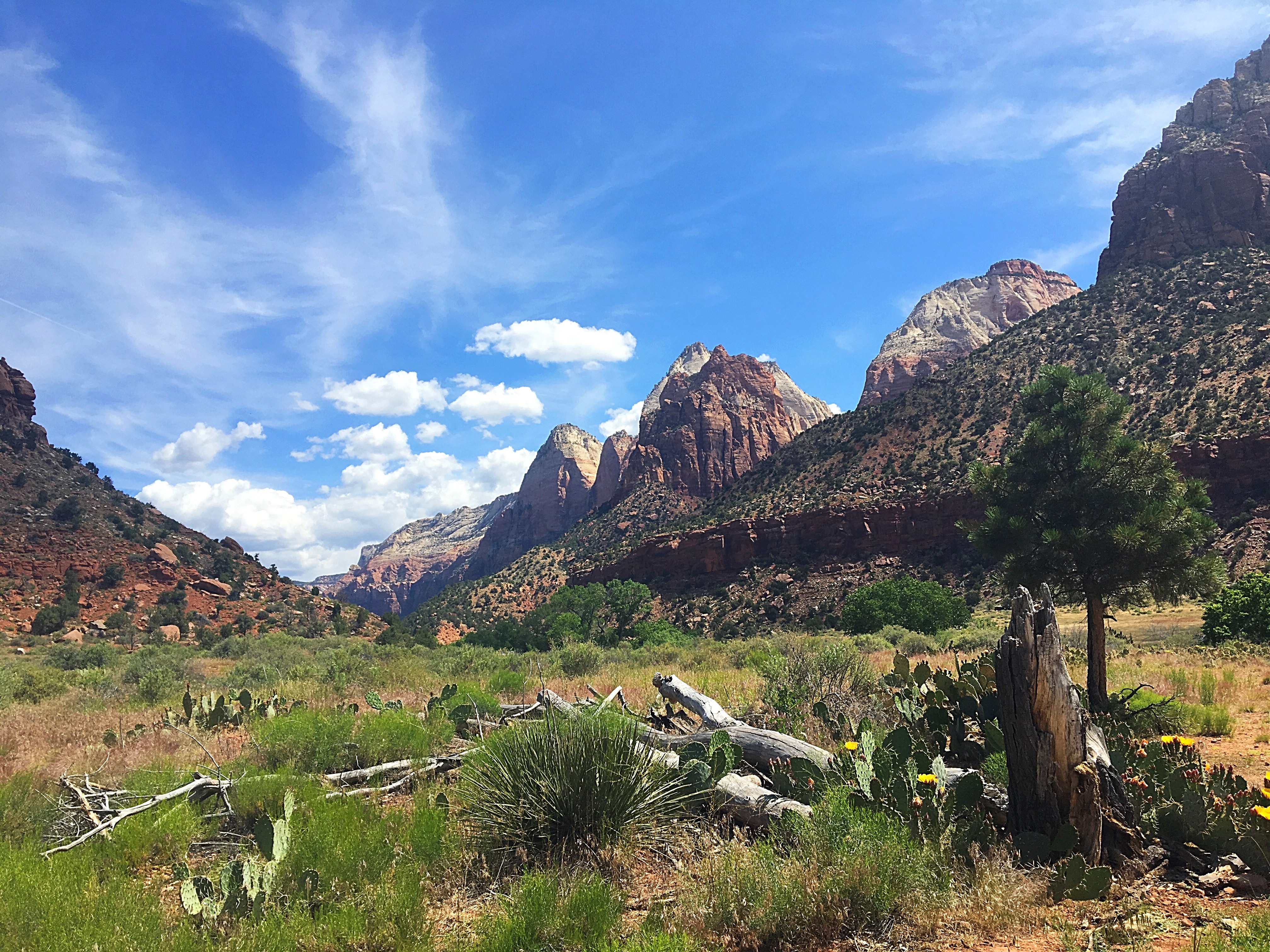
Alone at 6:00 am, watching the sunrise over rock formations, climbing natural staircases, feeling smooth buttresses with the palm of my hand, I come to sit on the top of a earth-made spier — I feel like the uppermost piece of a cairn. I sit patiently, open to a message from the landscape.

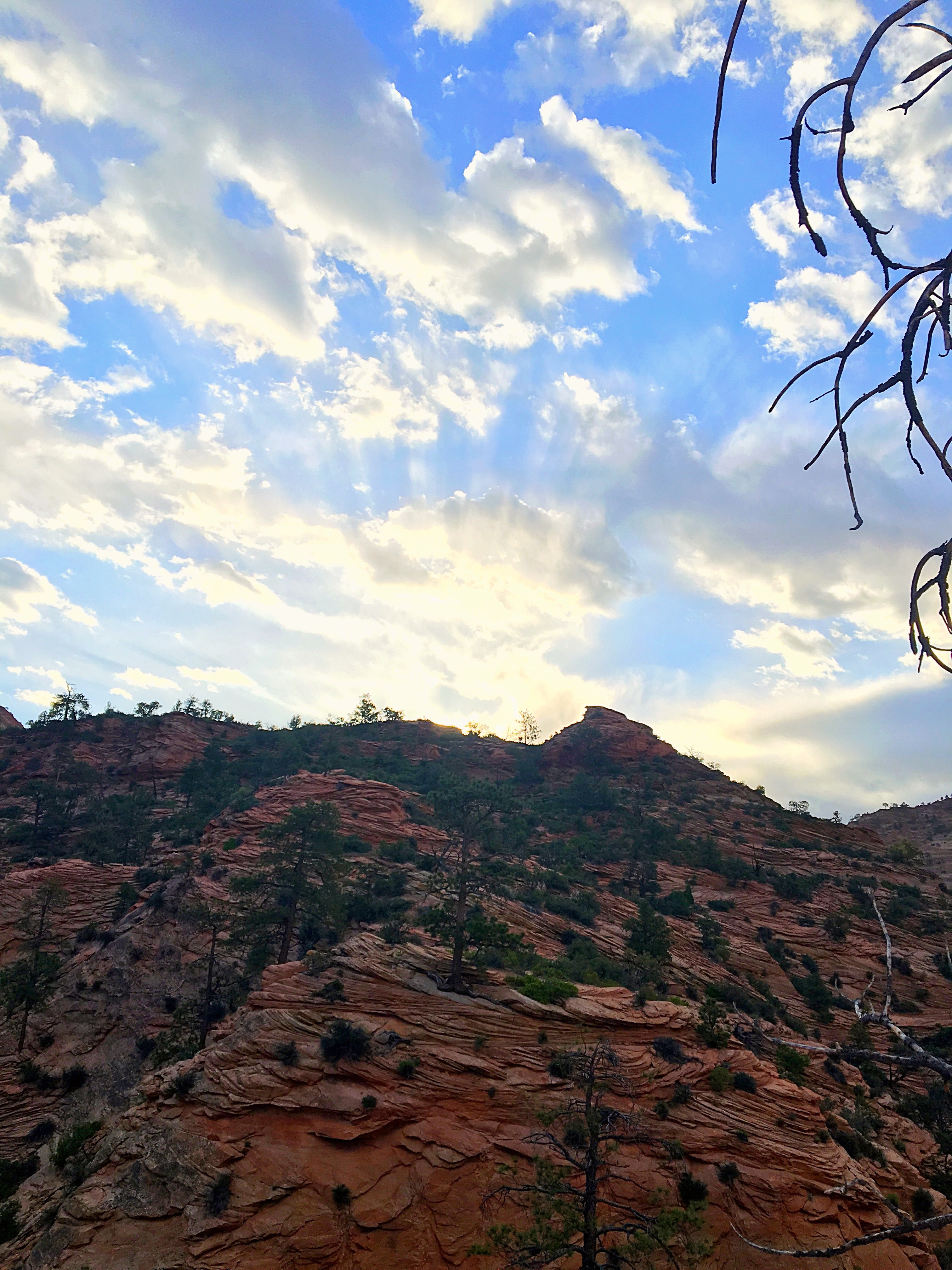
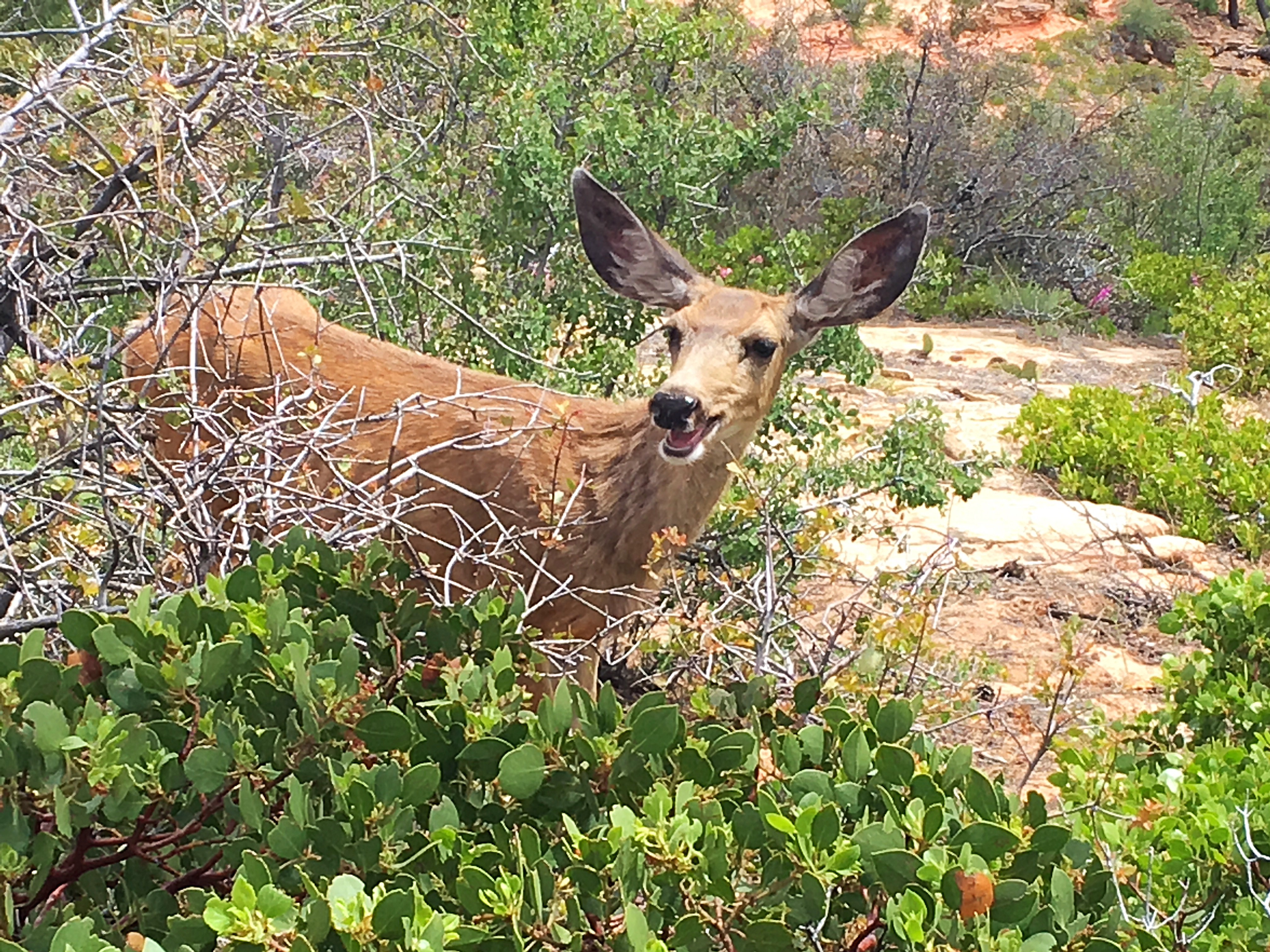
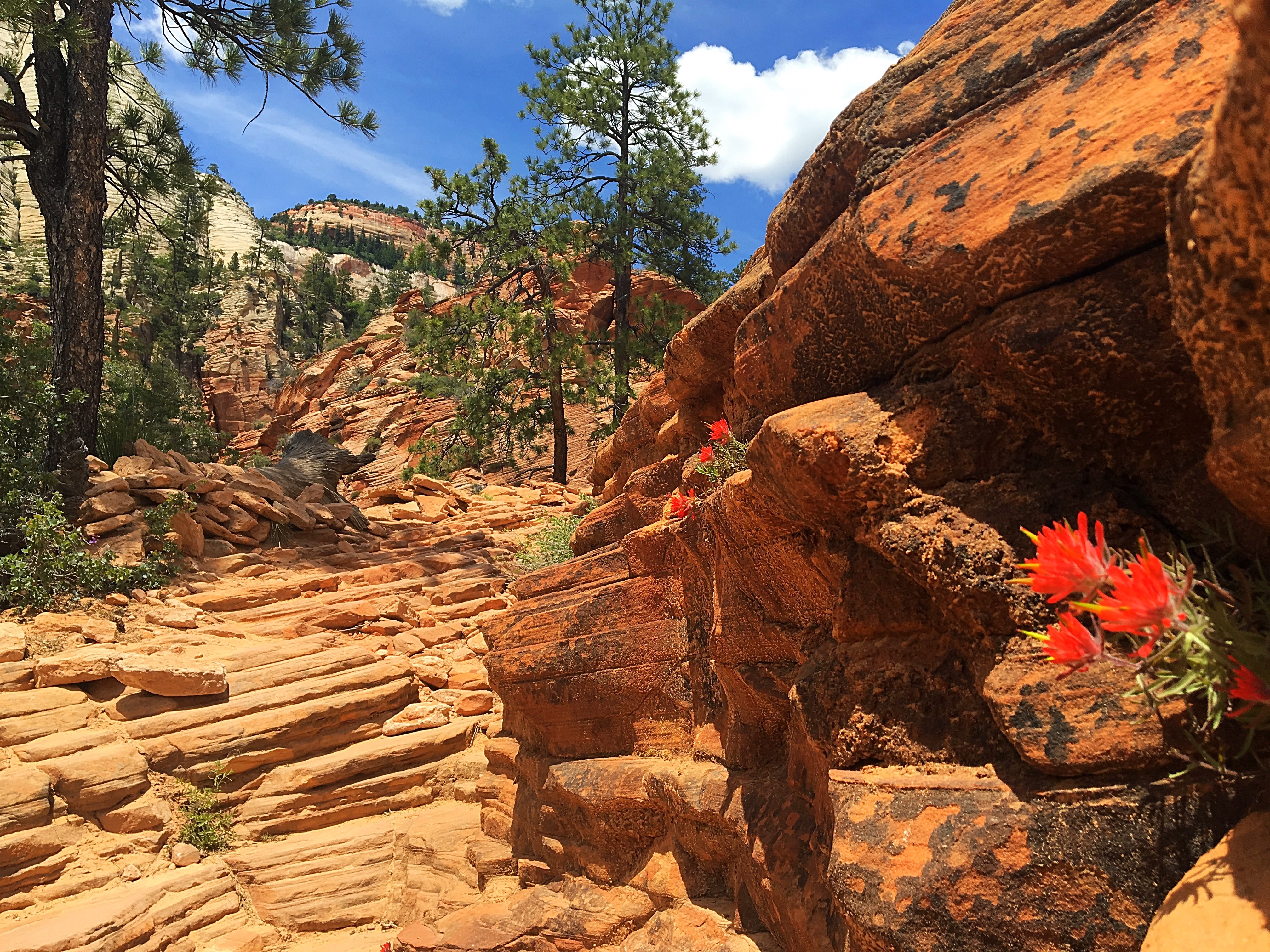
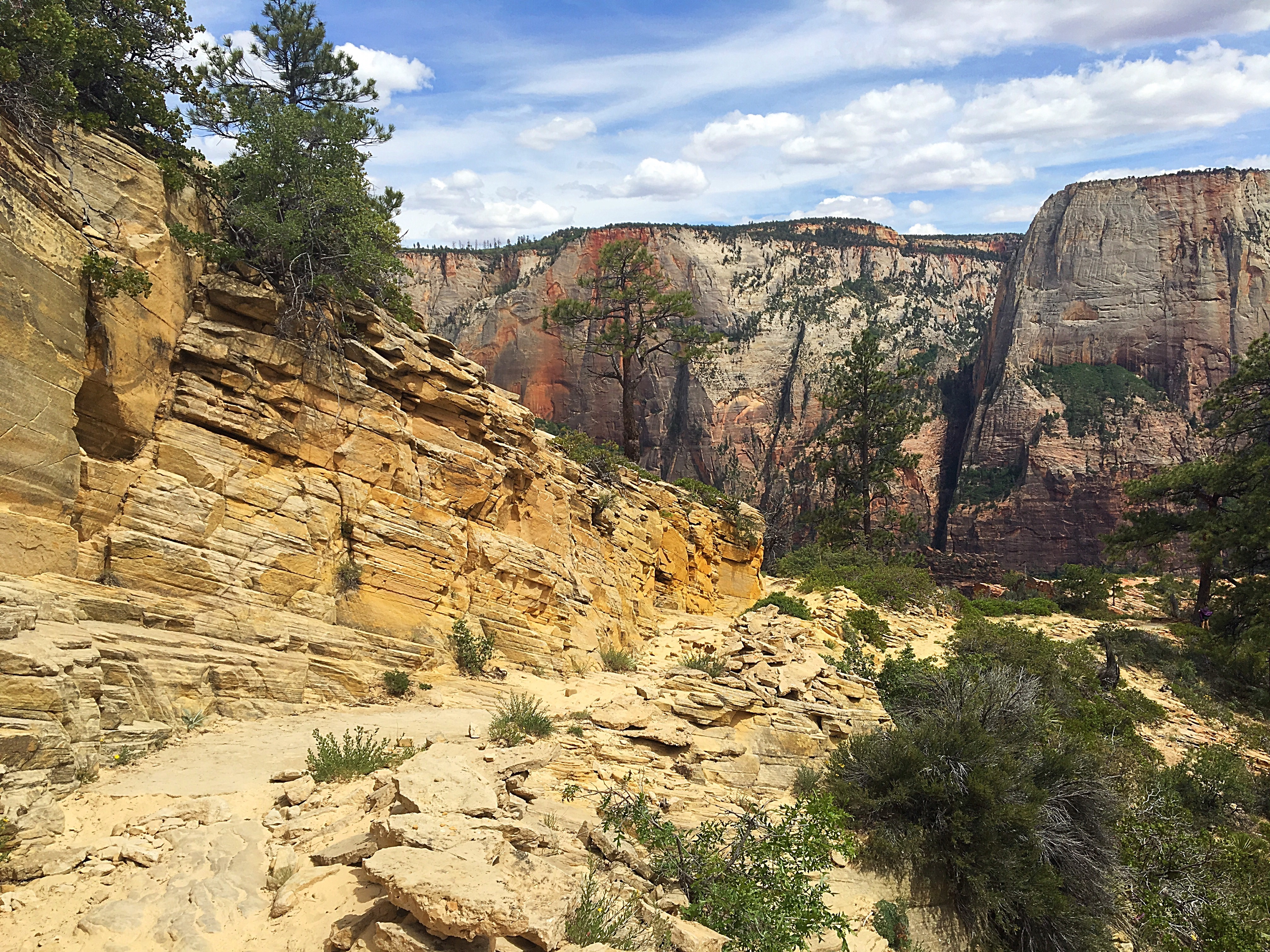
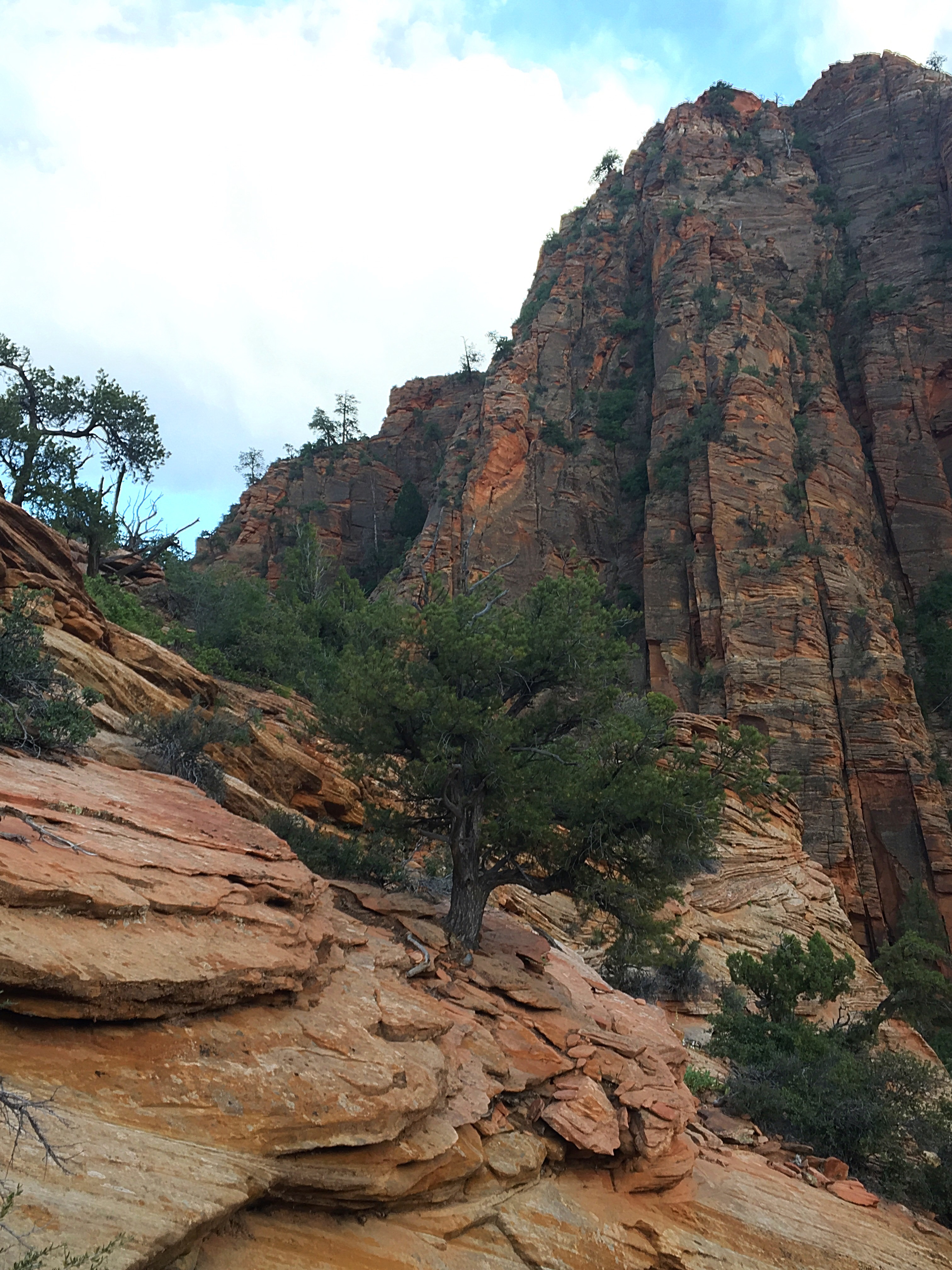
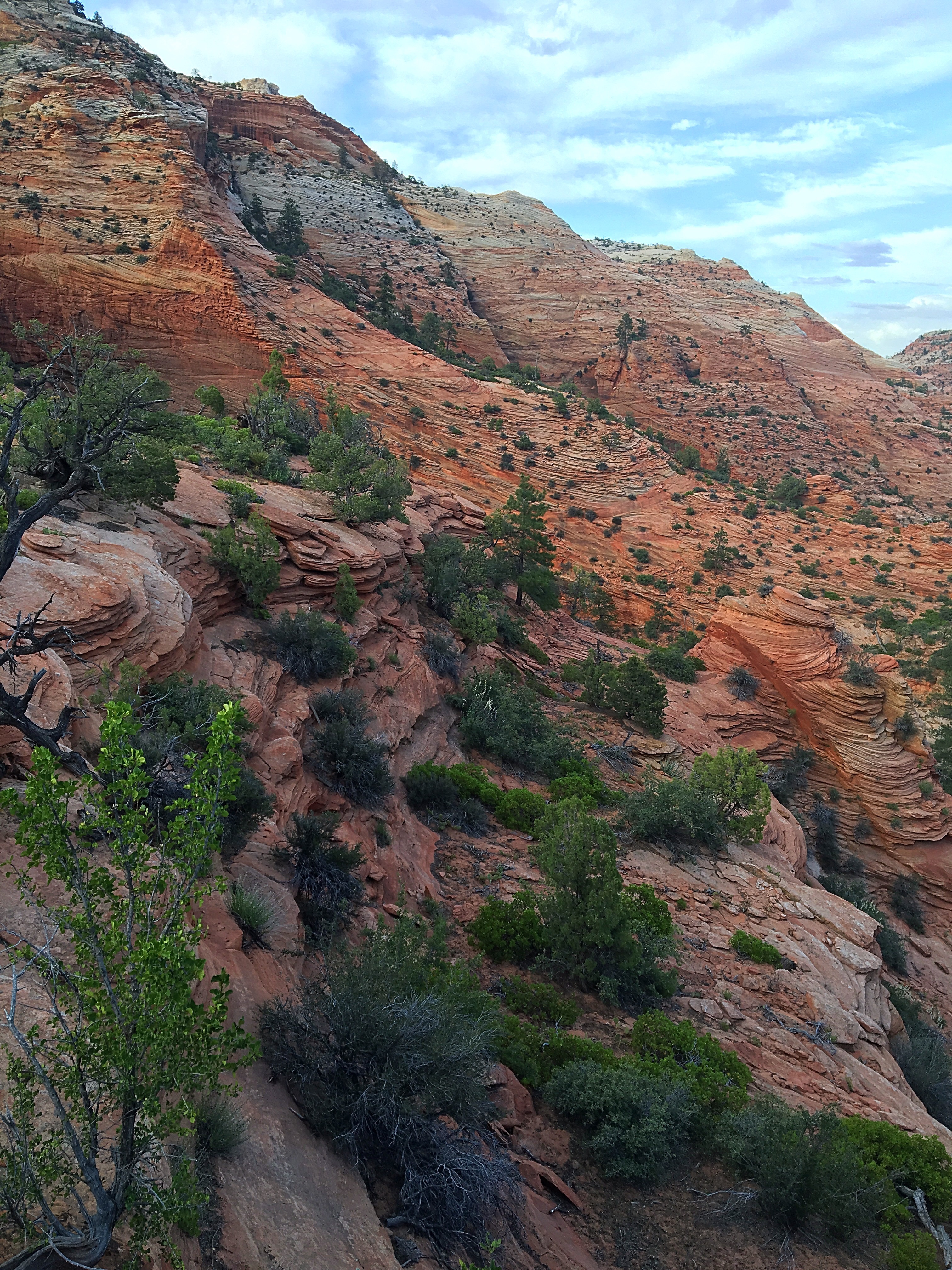
A sparrow flies in circles around me. Scat below my feet tell me deer enjoyed this view not long ago. I recalled the joy I felt seeing the hot and thirsty doe near Angel’s Landing the day before, and my surprise to see her at high altitude. A tree grows from a crack in the rock behind me — most of the trees and plants I see here seem to force their way through hard, impossible places. The sun’s rays pass by clouds, creating beams of majestic light that illuminate the red, yellow and orange striped rocks around me. Only birdsong breaks the silence of the dawning day.

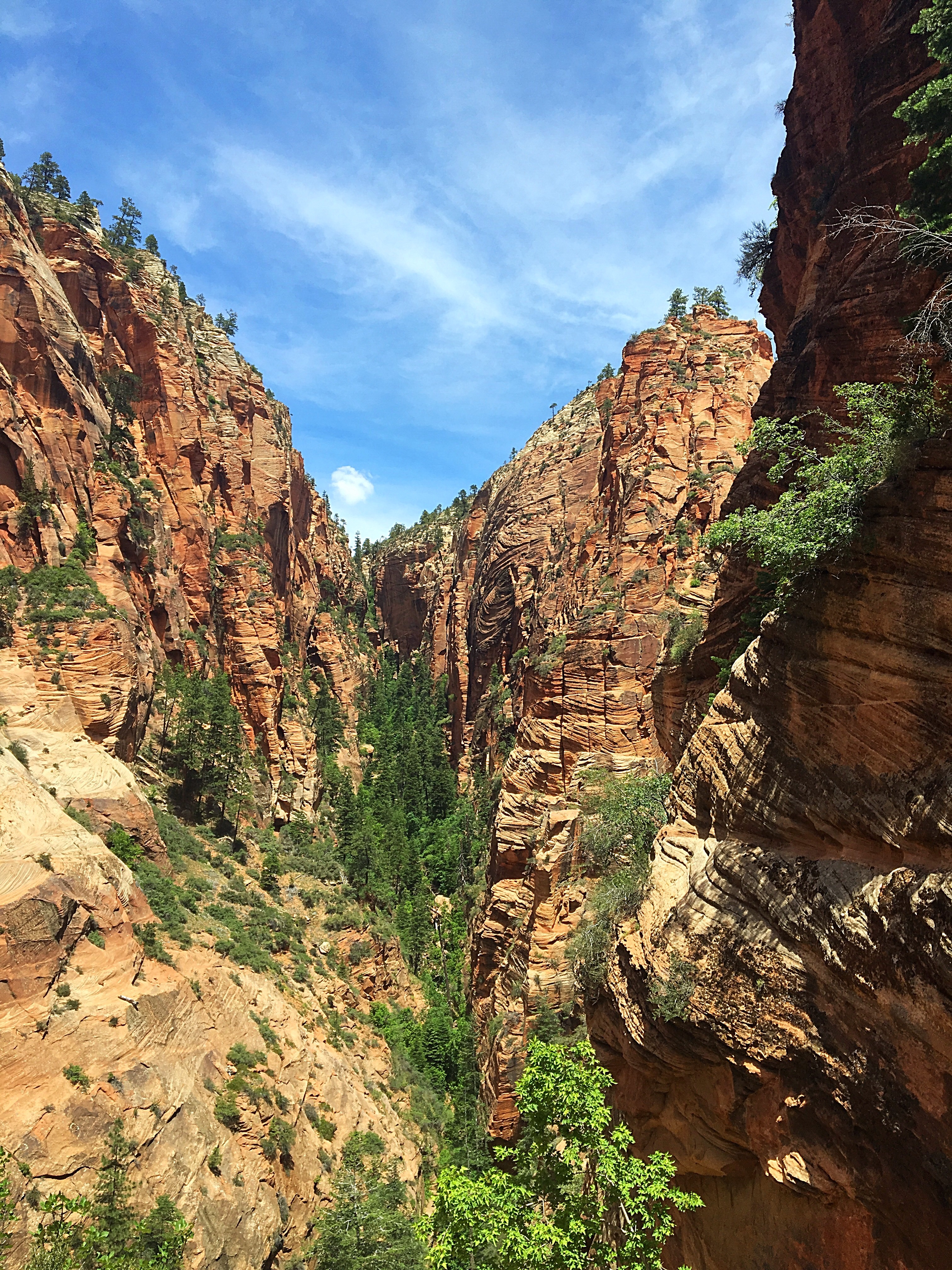
I look upon the earth before me. It is almost impossible to believe, sitting on a rock perch, that 275 million years ago this region was a flat sea basin. But it’s true: The iconic Zion landscape in Utah is the result of millions of years and five geological processes: sedimentation, lithification, uplift, erosion and volcanic activity. I look upon a working transformation — geological processes that continue today.

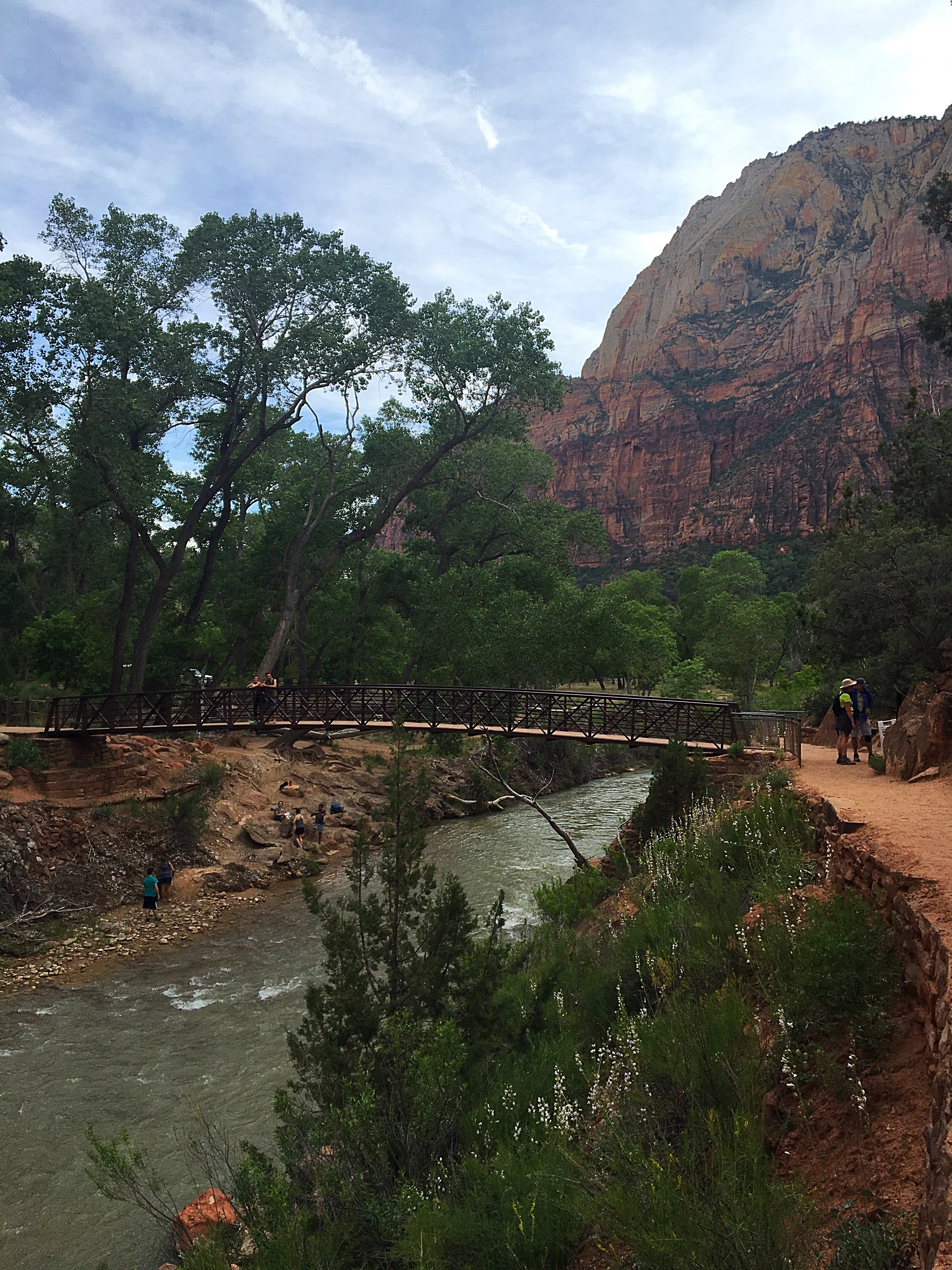
The resulting transformation is an unparalleled beauty that speaks to the soul of an unseen power. Several times while hiking I had to sit and pause in stillness and quietude to fathom the power of the rivers and the earth’s movements that created the structures and forced the earth towards the sky in vast towers and points.

I wondered, would the flat basin give home to the many plants and animals I had seen? Would the flat basin draw tens of thousands of visitors in a day with its grandeur? Could it provide the same inspiration to artists, have the power to pierce your heart, and take away your breath?

The spirit of Zion revealed itself to me with insight into myself.

I am a creature of change. I actively pursue transformation of my consciousness to become a more radiant reflection of human possibility — an instrument of equanimity, love and peace. I long to be transformed, to allow the processes within and without mold me and sculpt me into the shapes that I am destined to become.

The work of authentic transformation is ongoing and multifaceted: Zion is still changing. The rocks tell me to be humble, relax into the processes, accept and surrender to the unseen power. Growing pains must not be resisted or feared, but rather, seen as an effect of personal evolution. Life provides limitless opportunities for inner refinement; being present to reflect my true nature requires a Zion-like patience.

Sunrise; Zion National Park
Doe near Angel’s Landing
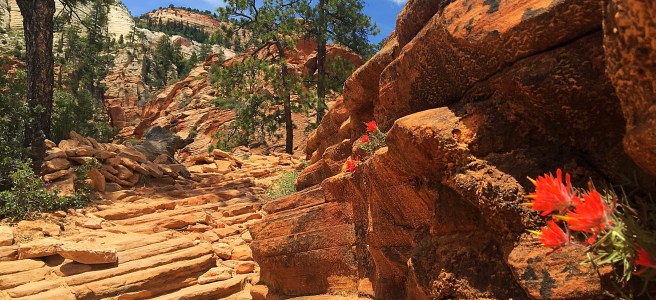
Orange Rocks
Yellow rocks
Once a flat sea basin
A tenacious tree
Virgin River; a major force in Zion’s transformation
Trees growing out of striped rock
Narrow Canyon

Tiny Homes for the Homefree

In the days after I talked with my friends about using self-care to enhance their creativity, I saw them internalize the message by eating more fresh foods, meditating as a group, and taking an afternoon off to swim in the Yuba river. In just a short time they were vibrant and joyous as if they had never fallen into a slump; more importantly, after they dedicated themselves to self-care, they accessed crucial, nuanced elements that brought completion to several songs. When they played me a few tracks I was spellbound by the gravity and emotion of the music; one song even brought me to tears.

Witnessing my friends gain immediate, fruitful vitality and accomplishment spurred me to nourish my inner artist with greater depth.

I began by writing a list of fun, compelling, and invigorating activities to feed my soul and refill my creative well (as Julia Cameron would call it). To my surprise, as I reviewed my list, I found many hobbies like gardening, juicing and playing piano that I couldn’t do often — or at all — while living on the road. I realized I missed them like long-lost friends.

I turned my inner eye to the loneliness, uncertainty, and aimlessness I’ve felt in the past year from living homefree. I thought of the time and energy I’ve lost from worrying about where I would go, which friend could host me, where to write, and how I could shift the moving parts to make it happen.

For the last few weeks I’ve taken a break from constant travel and have stayed in a cottage on my aunt and uncle’s property. It’s the longest I have stayed in any one place for the last year! But could I call it home?

Despite the difficulties of homelessness, I love the thrill and adventure of transience. I love the way it’s forced me to grow and stabilize in the present moment. Settling into one place felt like it could end my carefree, rolling stone lifestyle.

But what does my inner artist want?

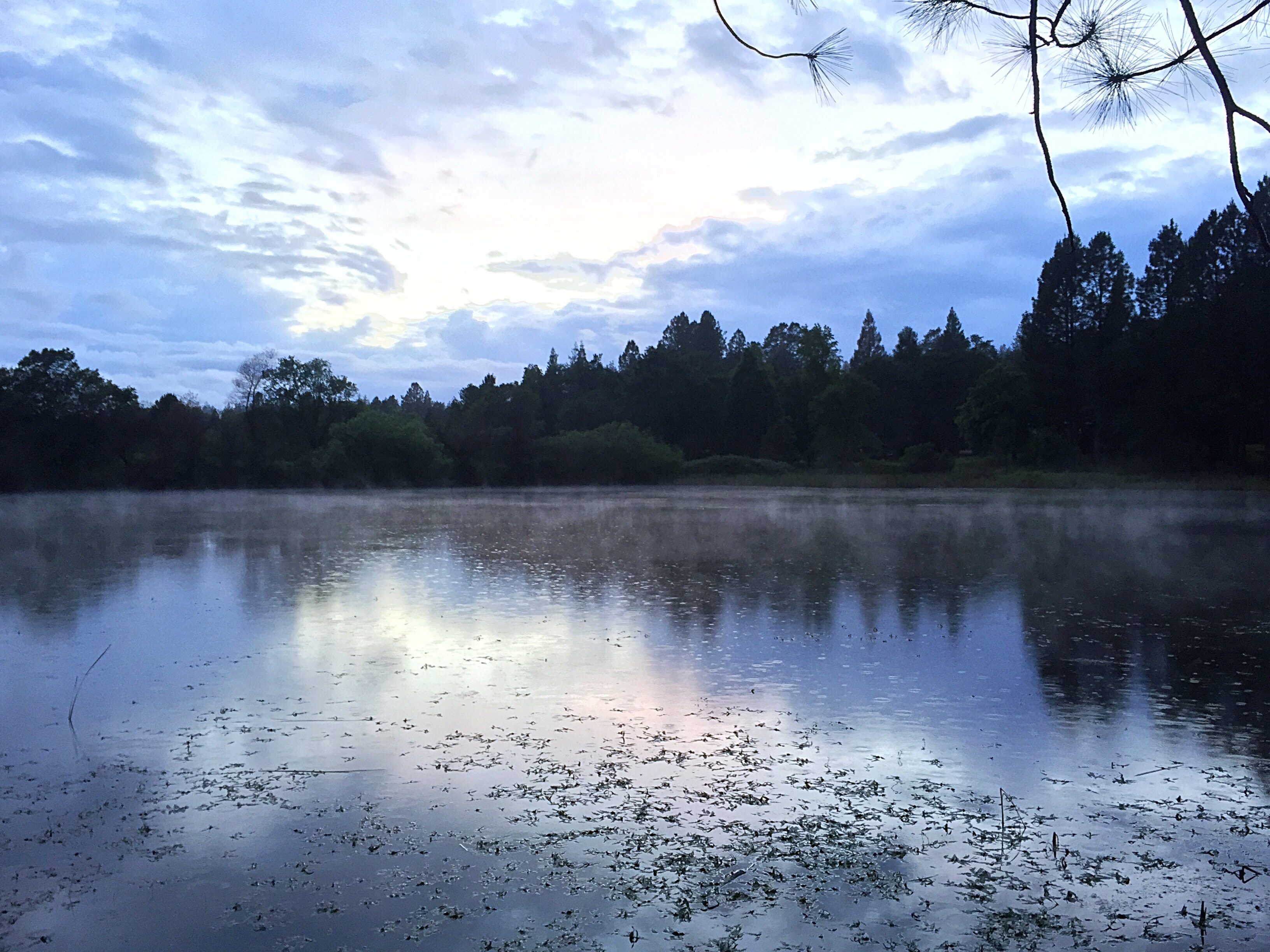
I walked out of the cottage to a nearby pond. Standing beneath pines amongst lupine I felt the beauty of the landscape seep into my bones. I breathed deeply listening to the freedom of birds singing from the trees. Still water reflected clouds, and looking into its depths, my mind became quiet.

Wouldn’t it be refreshing to have a home again? I thought of all the comforts a home would provide: a grounding place to go back to; a sacred space for meditation, prayer and writing; my own bed. I love domestic activities; they enrich my life and nourish me. With a home I could cuddle my cat, play my piano, plant some flowers, and create a space and momentum for words to flow. A home would make self-care easier and diminish my greatest stressors. It didn’t have to mean an end to my glamsient ways; if I wanted, it could make glamsienting more sustainable.

I turned back to look at the cottage — yes, I would make this my artist’s home.

Clouds Reflected in the Pond